Strait of Hormuz Standoff and Health Alerts: Your May 2026 Morning Briefing

The global landscape is shifting rapidly this May 2026. From the volatile waters of the Middle East to the polling stations of the United Kingdom and a quiet but urgent public health investigation, the news cycle is moving at breakneck speed. As we navigate these complexities, it is essential to separate the rhetoric from the reality.
In this morning’s rundown, we analyze the precarious state of the U.S.-Iran ceasefire, the political earthquake hitting the British Isles, and why health officials are tracking cruise ship passengers across several U.S. states.
The Strait of Hormuz: A Ceasefire Under Extreme Pressure
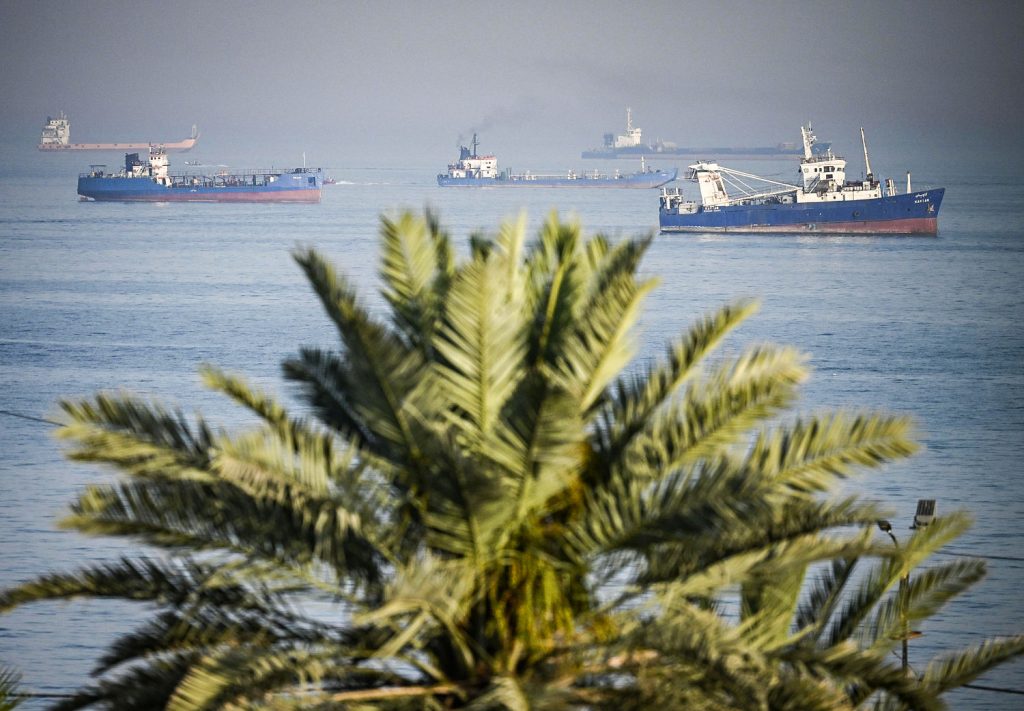
The fragile peace between the United States and Iran faced its most significant test yet this Thursday. A violent exchange of fire near the Strait of Hormuz has sent shockwaves through global energy markets and diplomatic circles alike.
The Incident in the Strait
According to official reports, the skirmish occurred as three U.S. military destroyers were transiting the critical waterway. President Donald Trump, addressing the situation via Truth Social, maintained that the U.S. vessels sustained no damage, while claiming the Iranian attackers suffered significant setbacks.
Conversely, Tehran’s military leadership alleges that the U.S. violated the established ceasefire by striking an Iranian oil tanker first. This “he-said, she-said” dynamic highlights the volatility of the region, where nearly 20% of the world’s oil supply once flowed through this narrow maritime corridor before the conflict intensified in late February.
Is the Peace Deal Still Viable?
Despite the explosions, President Trump has downplayed the escalation, famously referring to the incident as a “love tap” during an interview with ABC News. He insists that negotiations for a permanent peace deal are ongoing, though he issued a stern warning: if a formal agreement is not signed, Iran will face “a lot of pain.”
Analysts remain skeptical. With no ship traffic reported in the Strait for two consecutive days, the economic impact is mounting. The Justice Department is reportedly investigating oil market trades that occurred just prior to major developments in the conflict, suggesting that the “fog of war” is being exploited by financial actors.
Public Health: Monitoring the Hantavirus Cruise Ship
While geopolitical tensions dominate headlines, a different kind of concern is brewing in the health sector. Authorities across a dozen countries, including the United States, are currently engaged in a massive contact-tracing effort following a hantavirus outbreak aboard a cruise ship.
Tracking the Risk
The U.S. Centers for Disease Control and Prevention (CDC) has confirmed that passengers who disembarked on April 24 on the remote island of St. Helena are now being monitored across five states: Arizona, California, Georgia, Texas, and Virginia.
Current Status: As of this morning, none of the U.S.-based passengers have reported symptoms of the virus.
Containment: Nearly 150 individuals, including 17 Americans, remain confined to their cabins on the vessel.
The Threat Level: The World Health Organization (WHO) has officially stated that this is not the start of a new pandemic. However, public health experts are voicing concerns that the U.S.’s recent departure from the WHO earlier this year could hamper international data sharing and response capabilities.
A Political Sea Change: Reform U.K. Routs Labour
Across the Atlantic, the British political landscape is undergoing a seismic shift. Early results from nationwide local elections indicate a resounding defeat for Prime Minister Keir Starmer’s Labour Party, with the hard-right Reform U.K. party, led by Nigel Farage, making historic gains.
Why Labour is Struggling
Starmer, who rose to power in a 2024 landslide, is now facing intense pressure. The loss of “Red Wall” seats in northern England—areas that were once the bedrock of Labour support—signals deep-seated voter frustration.
The Farage Factor: Nigel Farage has framed these results as a “truly historic shift.” By capitalizing on economic anxieties and disillusionment with the status quo, Reform U.K. has successfully pivoted from a fringe movement to a mainstream political force.
- The Future of the PM: While Starmer has stated he will not step aside, speculation is rife that his own cabinet members may soon move to challenge his leadership if these electoral trends continue.
The Economic Outlook: Jobs and Inflation
Despite the chaos surrounding the Iran conflict, the U.S. labor market remains surprisingly resilient. The Bureau of Labor Statistics is expected to report a gain of 55,000 jobs for April, with the unemployment rate holding steady at 4.3%.
However, there is a catch. With oil prices sitting 50% higher than they were at the start of the year and retail gas prices hovering above $4.55 per gallon, the cost of living is putting significant pressure on the average American household. Economists warn that if the labor market begins to cool while energy prices remain elevated, we could be looking at a difficult summer for consumer spending.
Legislative Battles: Gerrymandering and Partisanship
The U.S. Supreme Court is once again at the center of a partisan storm. A recent ruling regarding congressional maps in Louisiana has effectively “turbocharged” the practice of gerrymandering.
In Tennessee, the Republican-led legislature has redrawn maps to divide the state’s only majority-Black district, a move designed to secure a firmer grip on the congressional delegation. Meanwhile, in California, a Democratic redistricting plan has forced two Republican incumbents into a brutal intraparty fight for survival. This trend of “aggressive cartography” is fundamentally altering the electoral map for the upcoming midterm elections.
Final Thoughts: The Week Ahead
As we look toward the remainder of the week, three themes are clear:
- Diplomacy is fragile: The situation in the Strait of Hormuz will require steady hands to prevent a full-scale resumption of hostilities.
- Public Health Vigilance: While the hantavirus risk is categorized as low, the logistics of tracking international travelers remain a logistical challenge in a post-WHO-membership era.
- Political Volatility: Whether it is the U.K. elections or U.S. redistricting battles, the electorate is sending a clear message of dissatisfaction with current governance.
Stay tuned to our daily briefings as we continue to track these developing stories. The world is moving fast—make sure you have the context to keep up.