Oil Markets in Flux: Why Crude Prices Are Easing Amidst the U.S.-Iran Cease-Fire

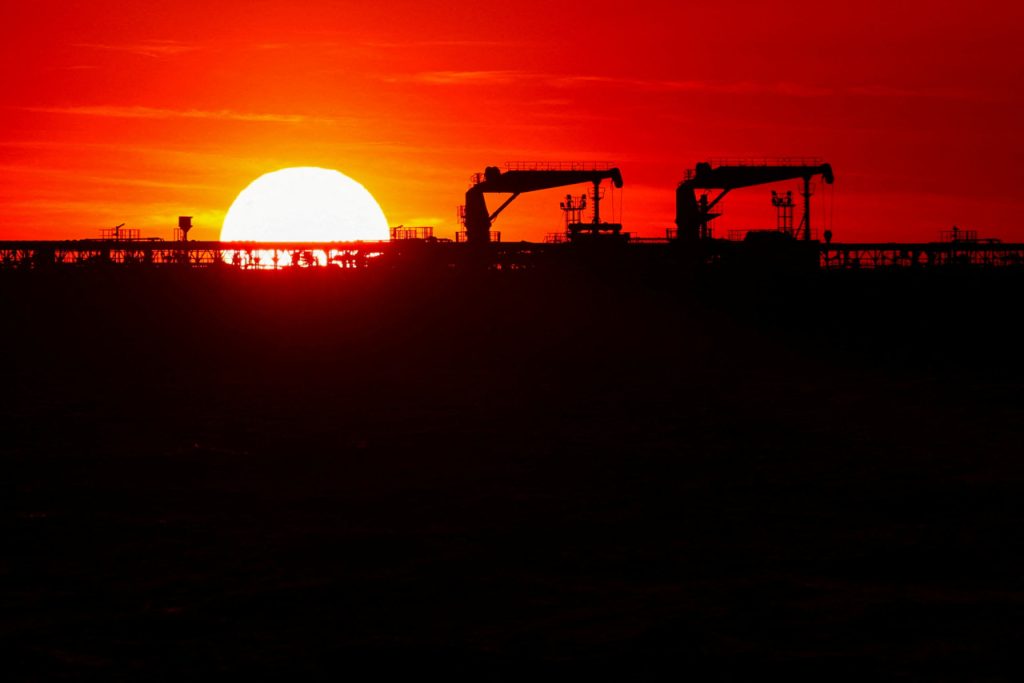
The global energy landscape is currently navigating a period of extreme volatility. As of mid-2026, the geopolitical tension surrounding the Strait of Hormuz—the world’s most critical maritime chokepoint—has kept investors on high alert. Recent reports confirm that oil futures have settled lower, following official statements from Washington that a fragile cease-fire with Iran remains in effect, despite sporadic military activity.
While the market is breathing a collective sigh of relief, the situation remains precarious. Traders and analysts are carefully balancing the optimism of potential tanker flow normalization against the lingering threat of supply chain disruptions. In this article, we break down the current state of the energy markets, the impact of “Project Freedom,” and what the future holds for oil pricing in a climate of regional uncertainty.
The Current State of Crude: Understanding the Price Correction
In the most recent trading sessions, both West Texas Intermediate (WTI) and Brent crude futures experienced a notable decline. WTI settled down approximately 3.9% to $102.27 a barrel, while Brent crude saw a 4% drop to $109.87. This downward movement is largely attributed to the U.S. government’s assertion that recent Iranian strikes do not signal an end to the existing cease-fire.
Why Prices Are Easing
The primary driver behind the cooling of prices is the hope of improving tanker flows. With the U.S. military actively engaged in “Project Freedom”—a strategic operation designed to escort commercial vessels through the Strait of Hormuz—market participants are cautiously optimistic that the flow of crude will not be entirely choked off.
However, it is vital to note that while prices have eased from their recent peaks, they remain historically elevated. The “risk premium” associated with Middle Eastern supply remains baked into the cost of every barrel. Even as diplomatic efforts continue, the market is not yet pricing in a return to normalcy.
Navigating the Strait of Hormuz: A Logistical Minefield
The Strait of Hormuz is more than just a waterway; it is the jugular vein of the global energy economy. When tensions flare in this region, the immediate impact is felt at gas pumps worldwide. The current situation involves a delicate dance between U.S. naval protection and Iranian defensive posturing.
The Impact of “Project Freedom”
The U.S.-led initiative to guide merchant vessels through the Strait has provided a necessary psychological floor for the markets. By demonstrating a commitment to keeping trade routes open, the U.S. has effectively prevented a total panic in the energy sector.
However, analysts at firms like ANZ Research point out that ship owners remain hesitant. The presence of cruise missiles, drone surveillance, and small-boat activity in the region creates an environment where insurance premiums for oil tankers are skyrocketing. Even if the cease-fire holds, the logistical hurdles of moving oil through a conflict zone mean that supply will remain constrained for the foreseeable future.
Geopolitical Risks and the Energy Supply Shock
The conflict has not been without its casualties, both physical and economic. Reports from the United Arab Emirates confirm that a strike sparked a significant fire at the Fujairah oil hub, a critical export terminal. This incident serves as a stark reminder that even a “held” cease-fire does not mean a lack of violence.
The Threat of Demand Destruction
While the market fears a supply shock, there is a secondary concern growing among economists: demand destruction. As prices remain elevated for a prolonged period, industrial and consumer demand for energy typically begins to wane.
Long-term implications: If prices stay above the $100 threshold for months, global manufacturing output may slow down.
The “Rug Pull” Effect: Analysts have warned that if the energy shock persists, the resulting economic slowdown could eventually cause demand to plummet, which would lead to a sharp, unexpected decline in crude prices—a phenomenon known as a technical correction or a “rug pull” on the current bull market.
Expert Analysis: What to Watch in the Coming Weeks
Phil Flynn of the Price Futures Group notes that while the cease-fire provides a “reprieve,” the lack of a comprehensive, long-term peace deal keeps the market on a knife’s edge. Investors should be watching several key indicators in the coming weeks:
- Diplomatic Progress: Any movement toward a permanent nuclear or trade deal between the U.S. and Iran would likely trigger a further, more sustained drop in oil prices.
- Tanker Transit Data: Keep a close eye on the volume of tankers successfully traversing the Strait of Hormuz. High transit volume is a bullish signal for price stability.
- Regional Escalation: Any new direct hits on major energy infrastructure, such as the Fujairah hub, will likely negate any gains made by the cease-fire, sending prices surging back toward record highs.
Conclusion: A Volatile Path Forward
The situation in 2026 reflects the profound interconnectedness of global politics and energy pricing. While the news that the cease-fire holds has brought a temporary sense of stability, the energy markets are far from settled.
For investors and consumers alike, the reality is that we are in a high-risk environment. The combination of military escort missions, regional strikes, and the constant threat of a total closure of the Strait of Hormuz means that volatility is the new normal. While we may see a short-term correction in prices, the underlying structural issues—the lack of a lasting peace and the vulnerability of global shipping lanes—suggest that oil prices will remain a primary concern for the global economy for the remainder of the year.
Stay informed, keep an eye on official military reports regarding maritime security, and prepare for a market that continues to react sharply to every headline in the Persian Gulf.