The 60-Second Miracle: How Northern Ireland Is Leading the Charge with Injectable Cancer Drugs in 2026

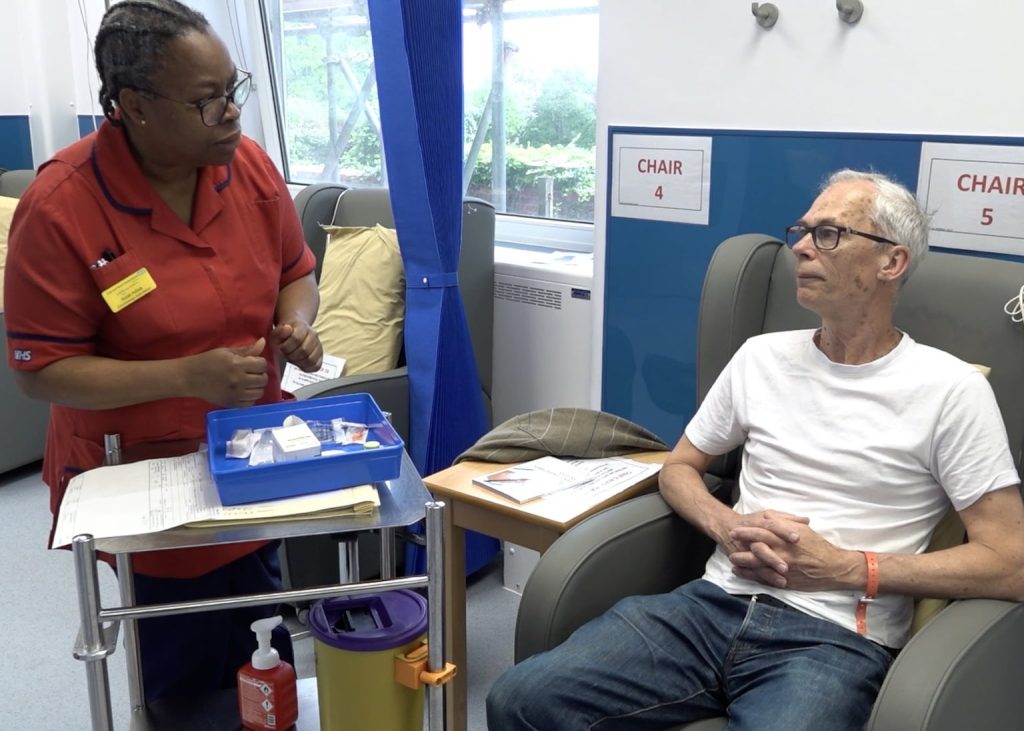
The landscape of oncology has undergone a seismic shift over the last decade, but 2026 marks a pivotal turning point for patient care in the United Kingdom. For years, the narrative surrounding the Health and Social Care (HSC) system in Northern Ireland was one of “catching up.” However, recent developments have flipped that script. A revolutionary new injectable cancer drug, Pembrolizumab (brand name Keytruda), is not just a promise for the future—it is a current reality for hundreds of patients across the region.
While headlines in early 2026 focused on the rollout of this “one-minute jab” in England and Wales, the truth on the ground in Belfast, Derry, and beyond is even more encouraging. Northern Ireland has quietly been integrating this life-saving innovation into its clinical protocols, proving that despite systemic challenges, the region remains at the cutting edge of immunotherapy advancements.
The End of the Two-Hour Drip: What is Injectable Keytruda?
For the uninitiated, Pembrolizumab is a powerhouse in the world of oncology. It is a type of immunotherapy that works by blocking a specific protein (PD-1) on the surface of immune cells. By doing so, it “takes the brakes off” the immune system, allowing it to recognize and destroy cancer cells more effectively.
Traditionally, this treatment required patients to endure lengthy intravenous (IV) infusions. A typical session could last anywhere from 90 minutes to two hours, not including the time spent waiting for blood results or pharmacy preparation.
The Shift to Subcutaneous Delivery
The “revolutionary” aspect of the current rollout is the transition to a subcutaneous injection. Instead of a slow drip into a vein, the drug is now administered via a simple injection under the skin.
Speed: The procedure takes approximately 60 to 90 seconds.
Efficiency: It reduces the overall time spent in a hospital chair by up to 90%.
Comfort: It eliminates the need for difficult cannulation, which is often a source of distress for patients with “tired” veins from previous chemotherapy.
Northern Ireland’s “Quiet Revolution” in Cancer Care
There were significant concerns throughout 2025 that Northern Ireland might suffer from a “postcode lottery,” where patients in London or Cardiff received modern treatments while those in the HSC trusts were left waiting. However, Health Minister Mike Nesbitt recently clarified the situation, revealing that the injectable form of Keytruda has been active in the region far longer than many realized.
The Three-Trust Success Story
As of the latest updates in 2026, three out of the five health trusts in Northern Ireland have already fully integrated injectable Keytruda. In fact, some trusts began the “managed transition” as early as April 2025. This early adoption was part of a strategic effort to update clinical protocols and minimize the waste of existing IV stock.
Minister Nesbitt emphasized that the rollout is not just about the drug itself, but about releasing valuable clinician time. In a system where waiting lists have been a point of contention, every minute saved in a treatment chair is a minute that can be redirected toward another patient in need.
Why This Matters: The Impact on Patient Mental Health
The physical benefits of immunotherapy are well-documented, but the psychological impact of the new 60-second injection cannot be overstated. Professor Mark Lawler of Queen’s University Belfast has been a vocal advocate for this transition, noting that “anxiety reduction” is one of the primary clinical outcomes.
Reducing the “Hospital Burden”
When a patient is diagnosed with cancer, their life often begins to revolve around the hospital schedule. The “chair time” associated with IV infusions becomes a grueling reminder of their illness.
- Lower Anxiety: A quick “in and out” appointment feels less like a major medical intervention and more like a routine check-up.
- Increased Autonomy: Patients can return to their families, jobs, and hobbies much faster.
- Better Throughput: With the 60-second jab, clinics can see significantly more patients per day, directly addressing the “crumbling” care narrative that plagued the 2024 NHS reports.
Addressing the Challenges: Waiting Times in 2026
Despite the success of the Keytruda rollout, it would be remiss to ignore the broader context of the Northern Ireland health service. Data from the first quarter of 2025 (January–March) showed that cancer treatment waiting time targets were still being missed across several trusts.
The Department of Health has acknowledged that while “real progress” is being made, there is “an awful lot still to be done.” The introduction of injectable drugs is a vital piece of the puzzle, but it is not a silver bullet.
How Innovation Helps Hit Targets
The math is simple: if a nurse can treat four patients in the time it used to take to treat one, the backlog begins to clear. By 2026, the goal is for all five trusts in Northern Ireland to offer the injectable form, ensuring that no patient is disadvantaged by their geographical location.
A Versatile Weapon Against Multiple Cancers
One of the reasons the availability of Keytruda in Northern Ireland is so significant is the drug’s versatility. It isn’t limited to a single “rare” condition; it is a frontline defense against some of the most common and aggressive forms of the disease.
Lung Cancer: Often diagnosed at later stages, where immunotherapy is most effective.
Breast Cancer: Particularly triple-negative breast cancer, which has historically been difficult to treat.
Melanoma: The injectable form has been a game-changer for skin cancer patients.
Head and Neck Cancers: Providing a less invasive option for patients who may already be struggling with speech or swallowing.
Cervical Cancer: Improving survival rates and quality of life for women across the province.
The Future of Oncology: Beyond 2026
As we look toward the latter half of the decade, the success of the Keytruda injection in Northern Ireland serves as a blueprint for future drug deliveries. We are likely to see more “subcutaneous versions” of existing biologics, further decentralizing cancer care.
There is even talk of moving these injections out of major hospitals and into local community clinics or “cancer hubs,” bringing treatment closer to the patient’s home. This would further reduce the travel burden, which is a major factor for patients living in rural parts of Co. Fermanagh or Co. Tyrone.
The Role of Managed Transitions
The “managed transition” mentioned by Mike Nesbitt is a crucial takeaway for health administrators worldwide. By phasing in the injectable form while responsibly using existing IV supplies, the HSC has demonstrated a model of fiscal and clinical responsibility. This ensures that innovation does not lead to unnecessary waste of taxpayer-funded resources.
Conclusion: A New Era of Hope
The availability of revolutionary injectable cancer drugs in Northern Ireland is a testament to the resilience of the region’s healthcare workers and the vision of its clinical leaders. While the road to completely eliminating waiting lists remains long, the “60-second miracle” of Keytruda offers more than just medical efficacy—it offers time.
For a cancer patient, time is the most precious commodity of all. Whether it’s time spent away from a hospital ward or years added to a life expectancy, the shift to injectable immunotherapy is a resounding victory for the people of Northern Ireland.