Pentagon Power Shift: Why Pete Hegseth is Doubling Down on Military Purges

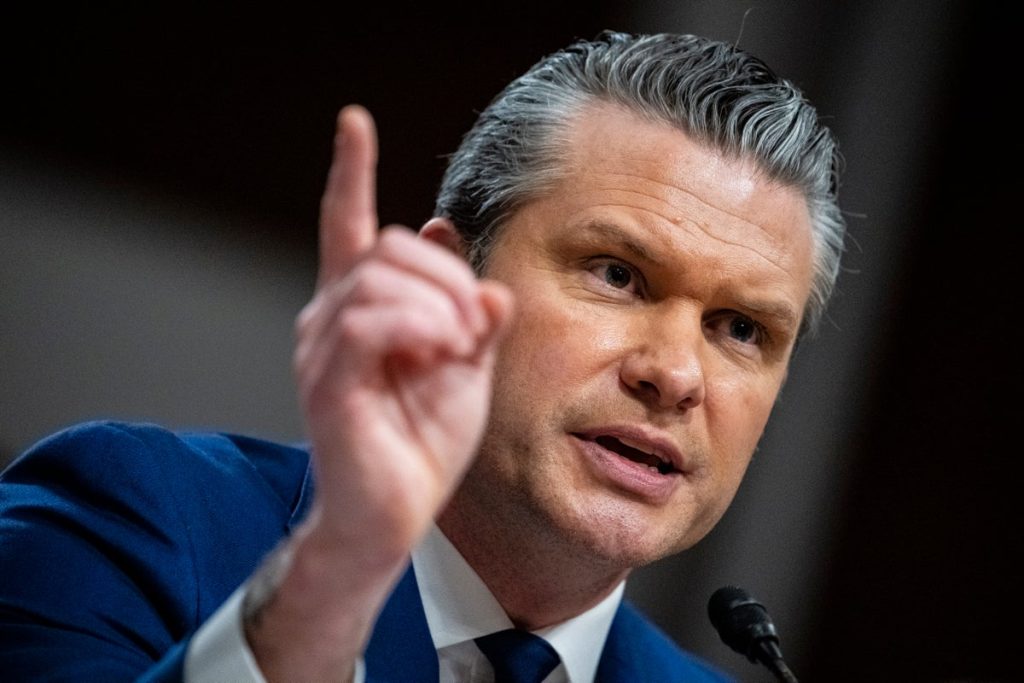
In a political climate defined by rapid change and intense scrutiny, Defense Secretary Pete Hegseth has emerged as one of the most polarizing figures in the Trump administration’s 2026 landscape. Recent reports indicate that Hegseth has become increasingly “emboldened” following a series of high-profile departures within the Pentagon’s top brass. By ousting senior officials—including the Army’s Chief of Staff, Gen. Randy George, and Navy Secretary John Phelan—Hegseth is signaling a fundamental transformation in how the Department of Defense operates.
This shift marks a decisive departure from traditional military management. As Hegseth moves to consolidate control, the Pentagon is witnessing a transition where political appointees hold unprecedented sway over career military officers. For those watching the administration, this is more than just a staffing change; it is an ideological realignment.
The Strategy Behind the Shake-Up
At the heart of this controversy is Hegseth’s pursuit of what his supporters call “restoring the warrior ethos.” The Defense Secretary has been transparent about his goal to remove Diversity, Equity, and Inclusion (DEI) initiatives from the military, arguing that these policies have detracted from combat readiness and lethality.
Consolidating Pentagon Control
The removal of key leaders suggests a broader strategy to eliminate internal friction. When Navy Secretary John Phelan voiced concerns regarding a perceived “land grab” by the Secretary’s office—specifically concerning shipbuilding and procurement authority—his tenure ended abruptly.
Reports indicate that Phelan’s private protests reached Hegseth almost immediately, leading to a swift recommendation for removal. President Trump’s approval of these dismissals underscores a unified front at the top of the administration. For Hegseth, the message is clear: the chain of command must align with the administration’s “America First” agenda, or it will be dismantled.
A Climate of Uncertainty Among the Brass
The speed and frequency of these firings have created a palpable sense of unease within the Pentagon. Sources describe a growing culture of “fear and uncertainty,” where military leaders are increasingly hesitant to voice dissent. This is a significant departure from the historical norms where military advisors were encouraged to provide candid, even if critical, feedback to civilian leadership.
The Impact on Military Communication
The internal vacuum created by the sudden reassignment of high-level staff has caused ripples across the department. With senior aides being fired or reassigned, communication lines that are vital for strategic planning have been severed.
Loss of Institutional Knowledge: The rapid turnover of experienced generals and civilian secretaries risks thinning the expertise required for complex global operations.
Political vs. Professional: The shift in power from “uniforms” to political appointees has fundamentally altered the Pentagon’s decision-making architecture.
- Operational Readiness: While the White House touts the success of operations in Iran and Venezuela as proof of Hegseth’s efficacy, critics argue that the internal instability could prove costly in a prolonged conflict.

Hegseth’s Political Resilience
Despite the turbulence, Hegseth’s standing within the White House appears stronger than ever. In a cabinet where members are often likened to “hikers running from a grizzly bear”—where you only need to be faster than the person next to you to survive—Hegseth has managed to outlast several of his colleagues.
Why the White House Backs Him
White House officials, including Chief of Staff Susie Wiles, have publicly praised Hegseth for bringing “clarity, strength, and leadership” to the Pentagon. His focus on “lethality” resonates deeply with the core of the Trump administration’s strategy. Even after nine hours of grueling congressional testimony—during which he famously called critics of his Iran policy “reckless, feckless, and defeatist”—Hegseth refused to back down.
His ability to withstand intense political pressure has essentially solidified his job security. By aligning himself perfectly with the President’s vision for a leaner, more aggressive, and ideologically unified military, Hegseth has transformed himself from a controversial appointee into an indispensable architect of the current administration’s foreign and defense policy.
The Future of the Pentagon
As we move further into 2026, the question remains: what is the long-term impact of this “political purge” on the U.S. military?
The Path Forward
- Ideological Homogeneity: The military is becoming an extension of the administration’s political goals, rather than an independent institution providing strategic military counsel.
- Recruitment and Morale: Whether these changes will negatively affect recruitment or the morale of the rank-and-file remains a point of intense debate.
- Congressional Oversight: With Hegseth remaining defiant under questioning, the tension between the legislative and executive branches regarding the oversight of military leadership is likely to escalate.
In conclusion, Pete Hegseth’s tenure as Defense Secretary is a case study in the exercise of executive power. By purging those he deems misaligned with his objectives, he has successfully consolidated power in a way few of his predecessors have dared. Whether this leads to a more effective, lethal military or a weakened, politicized institution is a question that history will eventually answer. For now, Hegseth remains the dominant force at the Pentagon, emboldened by the support of the President and an unwavering commitment to his own vision of military reform.