From Olympic Gold to Fear: Paul Rosen and the Alarming Surge of Canadian Antisemitism

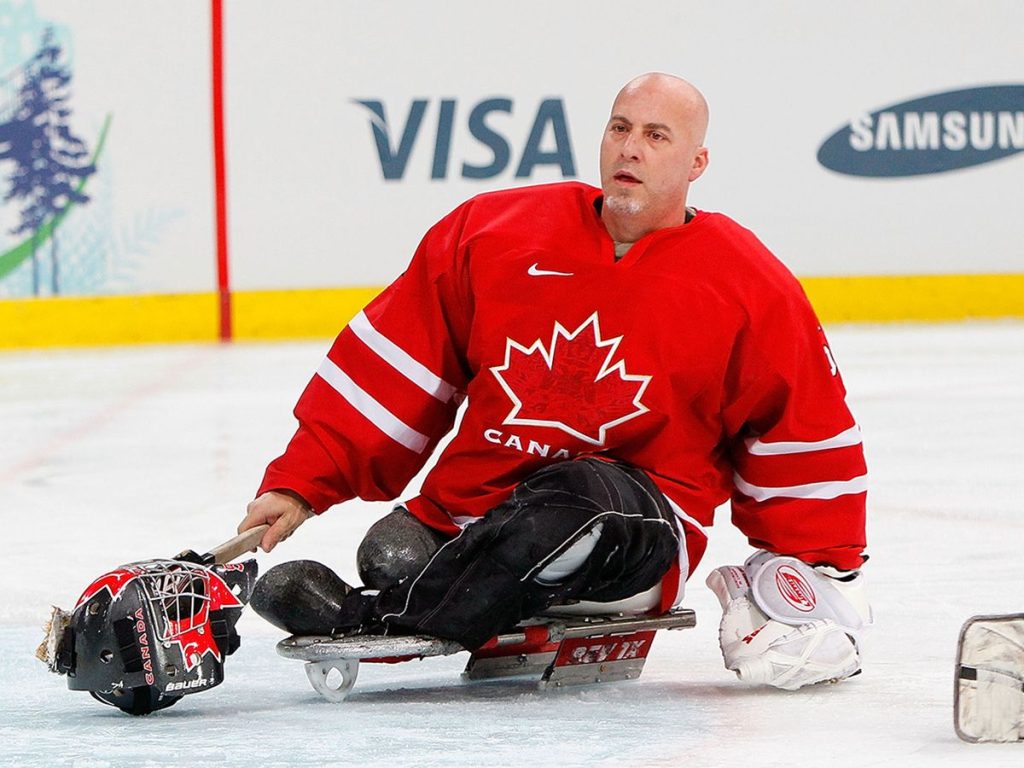
For millions of Canadians, the name Paul Rosen is synonymous with resilience and national pride. As a gold-medal-winning goaltender for Canada’s Paralympic hockey team, Rosen captured the hearts of a nation with his grit, his improbable journey to the pros, and his unwavering dedication to the Maple Leaf. Yet, in 2026, the 66-year-old hockey icon is facing a different kind of challenge—one that keeps him awake at night and forces him to look over his shoulder in his own neighborhood.
The rise of antisemitism in Canada has reached a boiling point, transforming the country from a bastion of multicultural harmony into a place where Jewish citizens are increasingly fearful for their safety. For Rosen, who has battled physical trauma and personal demons throughout his life, the current climate of hate is perhaps the most daunting opponent he has ever faced.
A Legacy of Resilience Under Fire
Paul Rosen’s life has been defined by overcoming the impossible. After a devastating injury led to an amputation, he didn’t retreat into the shadows. Instead, he became the oldest rookie in Paralympic hockey history, backstopping Canada to a gold medal at the 2006 Torino Winter Games. His career stats—a 1.04 goals-against average and 25 shutouts—speak to a man who thrives under pressure.
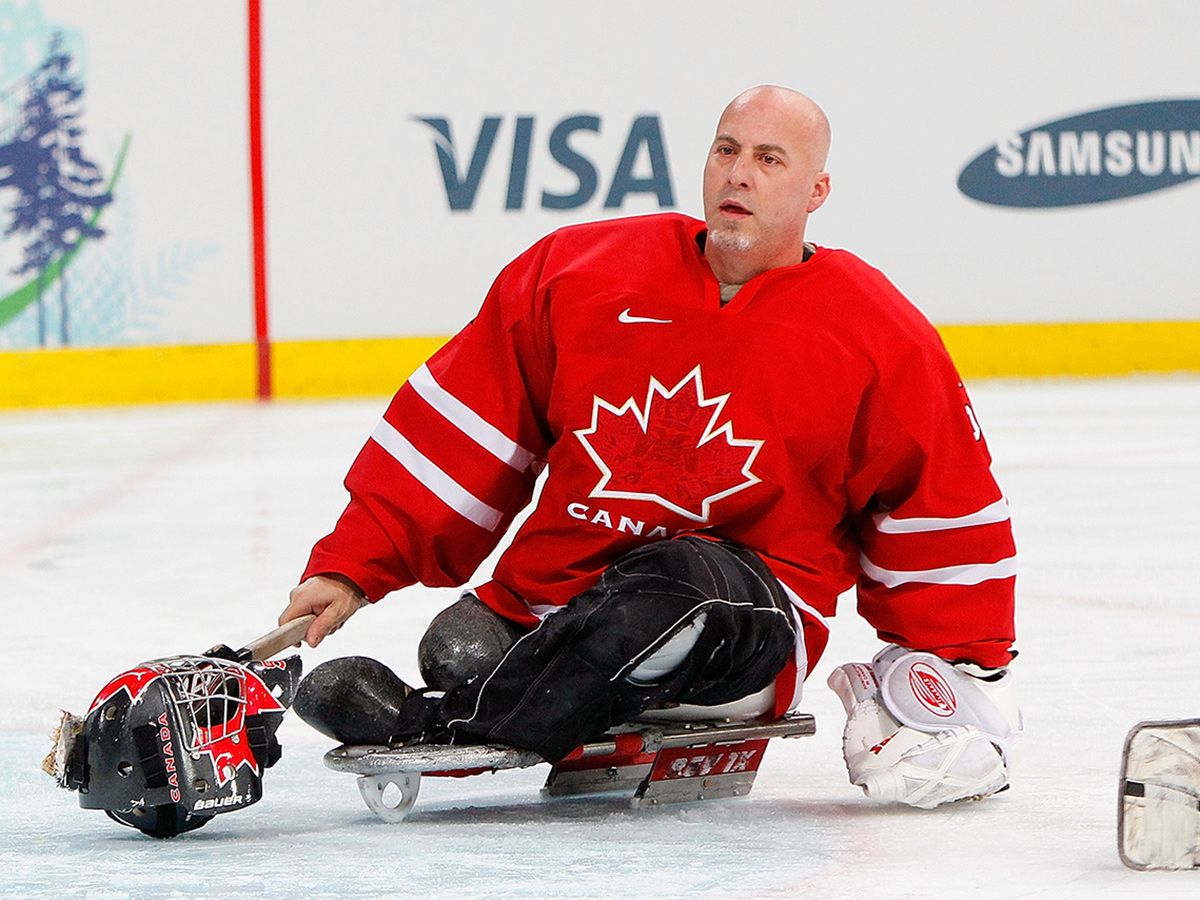
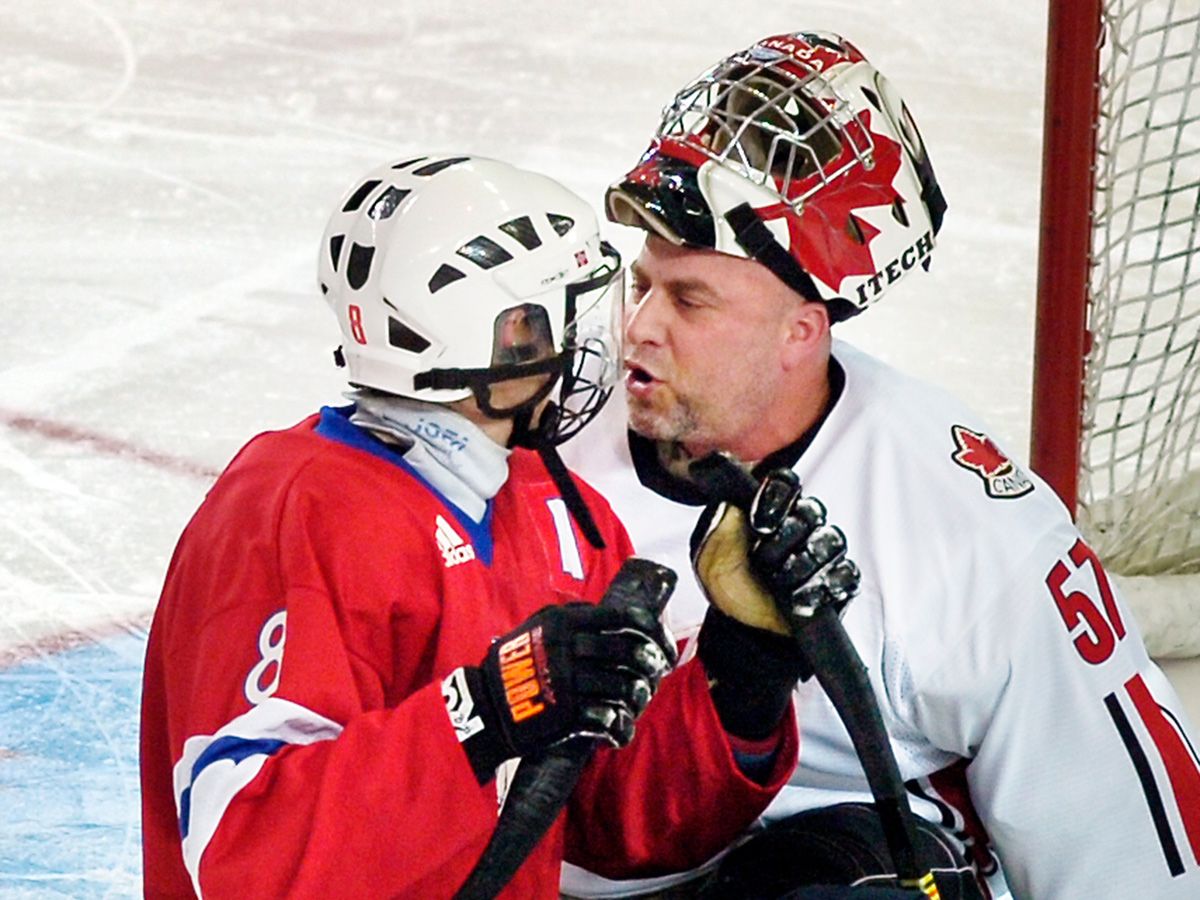
However, even at the pinnacle of his athletic success, Rosen was no stranger to prejudice. He recalls moments on the ice where the competitive spirit of international play was marred by vile, anti-Jewish slurs. From opponents telling him that “Hitler should have finished the job” to brawls sparked by antisemitic taunts during handshakes, Rosen learned early on that the arena was not always a sanctuary from the world’s oldest hatred.
The 2025 Metastasization of Hate
While Rosen dealt with isolated incidents during his playing days, the current landscape in Canada is fundamentally different. According to the latest data from B’nai Brith Canada, 2025 saw a record-breaking surge in anti-Jewish incidents, with over 6,800 acts of hate reported nationwide. This is not just a localized issue; it is a systemic crisis that has “metastasized” into the public square.
Jewish Canadians, who make up less than 1.5% of the total population, are now the target of a staggering majority of religious-based hate crimes. From shootings at Jewish schools to the normalization of antisemitic rhetoric on university campuses and city streets, the fabric of Canadian society is visibly fraying.
Why the Fear is Real
For Rosen, the fear is deeply personal. As a grandfather, he watches his grandchildren attend Jewish schools with a sense of dread that he never imagined he would feel in Canada.
Safety Concerns: The rise in violence against Jewish institutions has turned places of learning and worship into potential targets.
Institutional Inaction: Many in the community feel that law enforcement and government officials are failing to adequately address the surge, often turning a blind eye to public displays of antisemitism.
A Changing Canada: The Canada of 2026 feels increasingly unrecognizable to those who grew up believing that diversity and tolerance were the country’s primary pillars.
From the Crease to the Frontlines of Advocacy
Since his retirement in 2010, Rosen has been open about his struggles with addiction, mental health, and the “demons” that followed him off the ice. His journey, documented in his book Never Give Up – The Meaning of My Life, serves as a testament to his strength. Today, he channels that same energy into advocacy.
As a TSN commentator and a motivational speaker, Rosen uses his platform to talk about more than just hockey. He speaks candidly about the rise of Jew-hatred, warning that if Canada does not confront this “disturbing undercurrent” head-on, the nation risks losing its moral compass.
The Call to Action
Rosen’s message is clear: the time for complacency is over. He refuses to be a bystander while his community is targeted. His advocacy involves:
- Raising Awareness: Using his national platform to highlight the reality of antisemitic hate crimes.
- Challenging Leadership: Demanding that Canadian authorities hold perpetrators of hate accountable under the Criminal Code.
- Encouraging Unity: Reminding fellow Canadians that antisemitism is not just a “Jewish problem”—it is a societal cancer that threatens the safety of everyone.
The Path Forward: Can Canada Reclaim Its Values?
The explosion of antisemitism in modern Canada has forced a reckoning. Organizations like the Friends of Simon Wiesenthal Center and B’nai Brith have repeatedly called for more robust policy responses. Yet, for individuals like Paul Rosen, the solution must be more than bureaucratic; it must be cultural.
The “demons” that Rosen once faced in his personal life—pain, addiction, and despair—have been replaced by a much larger, collective shadow. However, if his career has taught him anything, it is that you never stop fighting. Whether it is stopping a puck in the crease or speaking out against bigotry, Rosen remains a fighter.
Understanding the Scope of the Crisis
Record Highs: The 6,800 incidents in 2025 demonstrate that current prevention strategies are insufficient.
Systemic Issues: Antisemitism is no longer confined to the fringes; it has seeped into public discourse, education, and social media.
The Human Cost: Beyond the statistics are real people—grandparents, students, and citizens—who no longer feel safe walking down the street wearing a Star of David or a kippah.
Conclusion
Paul Rosen’s story is a sobering reminder that even national heroes are not immune to the toxic climate of 2026. His transition from the glory of the podium to the frontlines of the fight against antisemitism underscores a grim reality: Canada is at a crossroads.
As we look toward the future, the question remains whether the country will relegate this “virulent, hateful minority to the shadows” or allow the fabric of its society to continue tearing. For Paul Rosen, there is no choice. He will continue to speak, to advocate, and to stand as a proud Jewish Canadian. As he famously says, “Never will I stop fighting Jew hate. Never.”