Beyond 5,000: President Trump’s Strategy to Reshape U.S. Military Presence in Germany

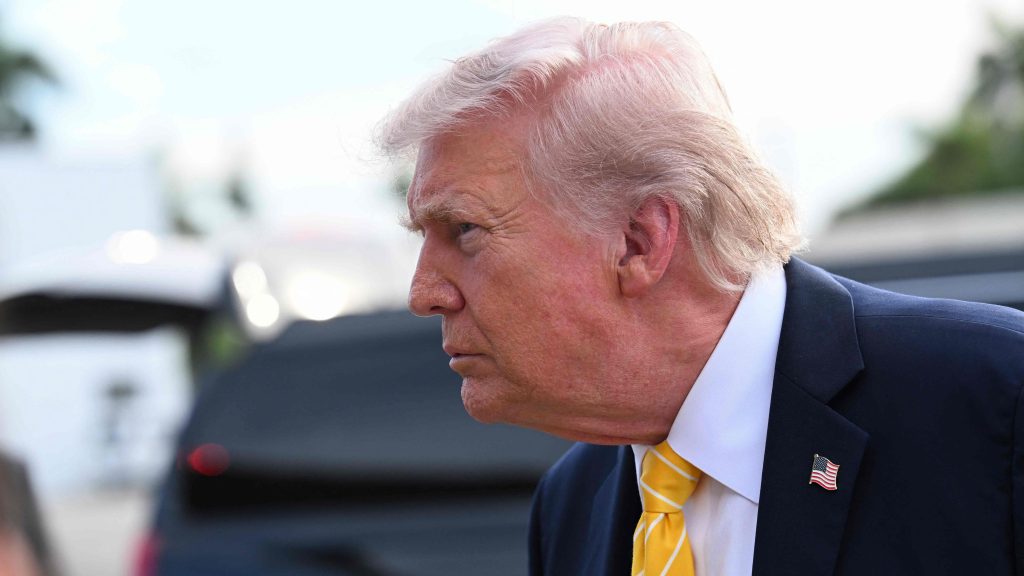
The geopolitical landscape of Europe is facing a seismic shift. In a move that has sent shockwaves through NATO and the corridors of power in Berlin, President Donald Trump has signaled that the planned withdrawal of 5,000 U.S. troops from Germany is merely the beginning. Speaking to reporters in Florida on May 2, 2026, the President suggested that the eventual reduction of American service members stationed in Germany would be “far more than 5,000,” hinting at a fundamental restructuring of America’s post-war security commitments.
This decision follows a period of intense public friction between the Trump administration and German Chancellor Friedrich Merz, primarily centered on divergent approaches to the ongoing conflict with Iran. As the Pentagon moves forward with the initial drawdown—slated for completion over the next 6 to 12 months—the international community is left to grapple with the long-term implications of a diminished U.S. footprint in the heart of Europe.
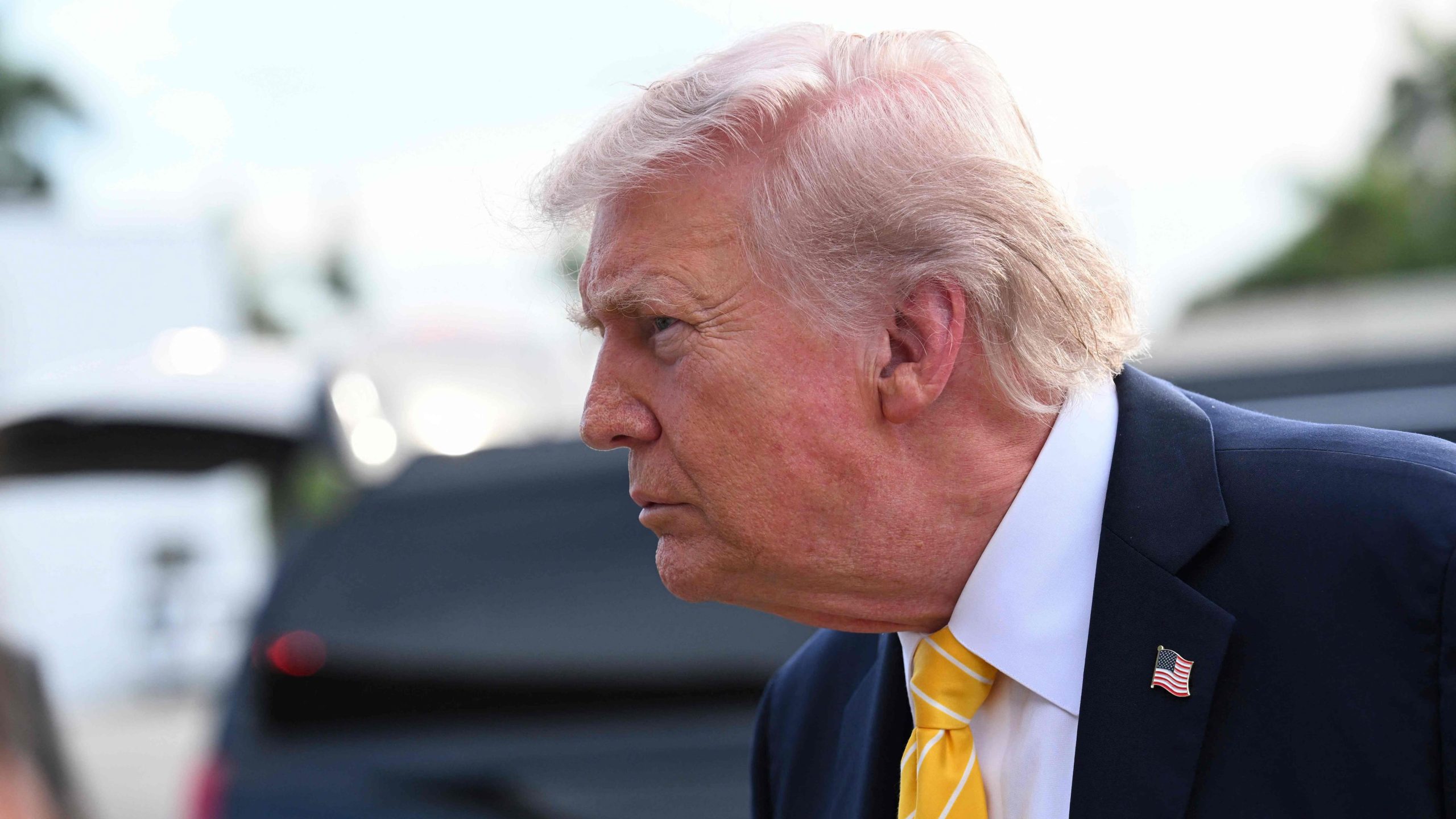
The Scope of the Drawdown: Why Germany?
Germany has long served as the cornerstone of U.S. military operations in Europe. Hosting approximately 36,000 U.S. troops, the country provides the essential infrastructure for both U.S. European Command (EUCOM) and U.S. Africa Command (AFRICOM). From the strategic headquarters in Stuttgart to the vital logistics hub of Ramstein Air Base, Germany is not just a host; it is a critical pillar of global power projection.
The current plan, ordered by Secretary of Defense Pete Hegseth, targets 5,000 troops—roughly one-seventh of the total force. However, President Trump’s recent comments suggest that the administration is looking toward a much leaner European profile. This pivot is not occurring in a vacuum; it is deeply intertwined with the President’s “America First” foreign policy, which prioritizes bilateral transactional relations over traditional multilateral alliances.
The Catalyst: Strains with Chancellor Merz
The catalyst for this specific drawdown appears to be the deteriorating relationship between the White House and Chancellor Friedrich Merz. Disagreements over operational strategies regarding Iran have created a diplomatic impasse. While Germany has historically advocated for diplomatic stability, President Trump has pushed for a more aggressive posture. By signaling a troop reduction, the administration is effectively using its military presence as leverage—or perhaps as a consequence—of these policy disagreements.
Strategic Implications for Global Security
The reduction of U.S. forces in Germany is expected to trigger a domino effect that reaches far beyond the European continent. Military analysts are currently assessing how this drawdown will impact the balance of power in the Middle East and East Asia.
The Russia Factor
One of the primary concerns within U.S. political circles is the message this sends to Moscow. Republican heavyweights, including Senate Armed Services Committee Chairman Roger Wicker and House Armed Services Committee Chairman Mike Rogers, have argued that if troops must be moved, they should be redeployed to Eastern Europe rather than withdrawn entirely. They contend that a full withdrawal creates a power vacuum that could embolden Russian expansionism in the region.
Ripple Effects in the Indo-Pacific
Simultaneously, the U.S. is engaged in delicate negotiations with South Korea regarding “alliance modernization.” As the White House redefines the roles and responsibilities of U.S. troops in South Korea, the Germany decision serves as a bellwether for how the current administration views its overseas military commitments. If the U.S. is willing to scale back in Europe—a long-standing bastion of stability—allies in Asia are likely to scrutinize their own security guarantees with renewed intensity.
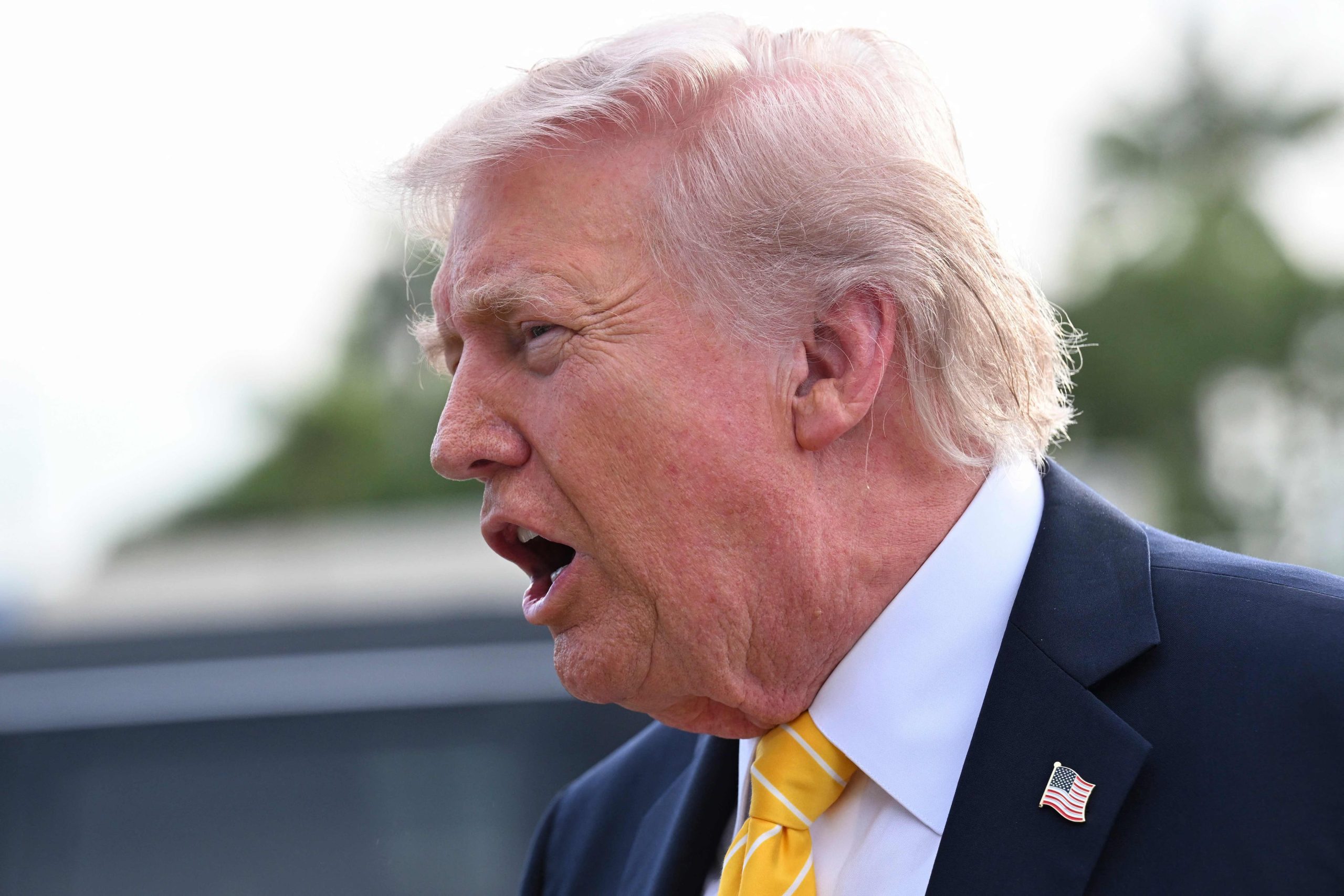
Political Backlash and Internal Debate
The decision has not been met with universal acclaim within Washington. While the Department of Defense maintains that the plan underwent a “thorough review,” prominent voices in the Democratic party are pushing back. Senator Jack Reed, the Democratic vice chairman of the Senate Armed Services Committee, has publicly urged the administration to reverse the decision, labeling it a “foolish” move that undermines U.S. national interests.
The internal debate highlights a growing divide between those who believe the U.S. should remain the “world’s policeman” and those who, like President Trump, believe it is time for allies to shoulder more of the financial and operational burden of their own defense.
The Iran Variable: Negotiations and Missile Capabilities
Amidst the troop reduction discussions, the President also provided an update on the Iran situation. Following the delivery of a new 14-item proposal from Tehran via Pakistani mediators, the White House is currently conducting a review.
President Trump has maintained a firm stance, stating that his primary goal remains the “elimination of Iran’s missile manufacturing capabilities.” Whether the troop reduction in Germany is intended to signal U.S. resolve to Iran or represents a broader shift in military resource allocation remains a subject of intense speculation.
Conclusion: A New Era for U.S. Foreign Policy
The reduction of U.S. troops in Germany, and the potential for even deeper cuts, marks a definitive pivot point in the 2026 geopolitical calendar. By challenging the status quo of post-war military arrangements, the Trump administration is signaling that no alliance is immune to scrutiny.
As the Pentagon works through the 6-to-12-month timeline for the initial 5,000-troop withdrawal, the world will be watching closely. The outcome of this policy shift will likely redefine the U.S. military’s role abroad, testing the resilience of NATO and setting a new precedent for how America balances its domestic priorities with its global responsibilities.