The Miracle at Churchill Downs: How Golden Tempo Pulled Off a Historic Last-to-First Kentucky Derby Win

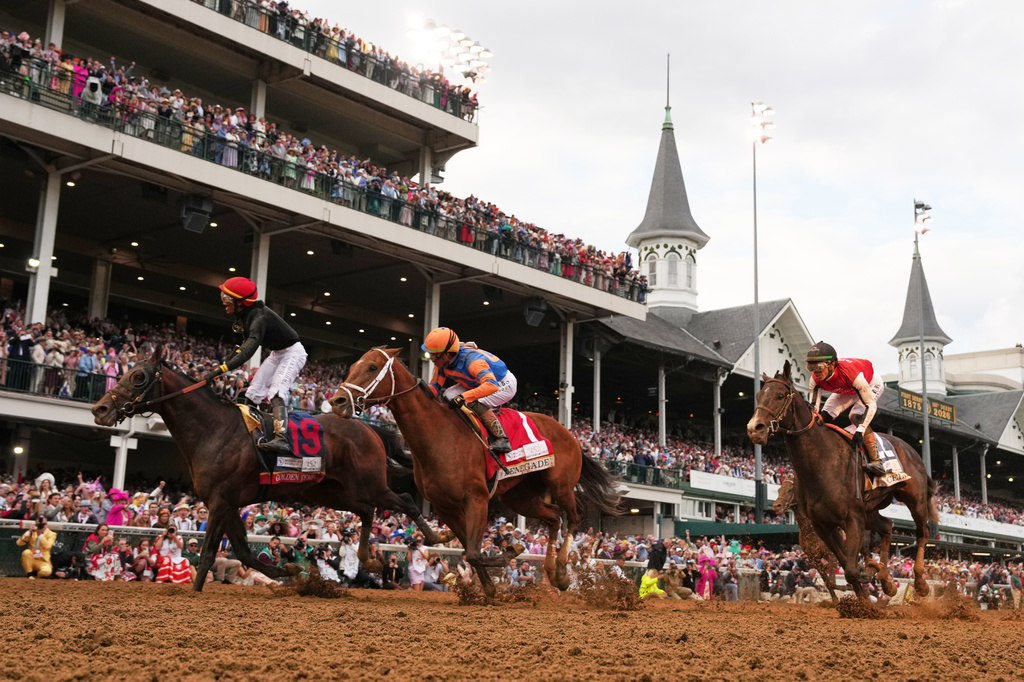
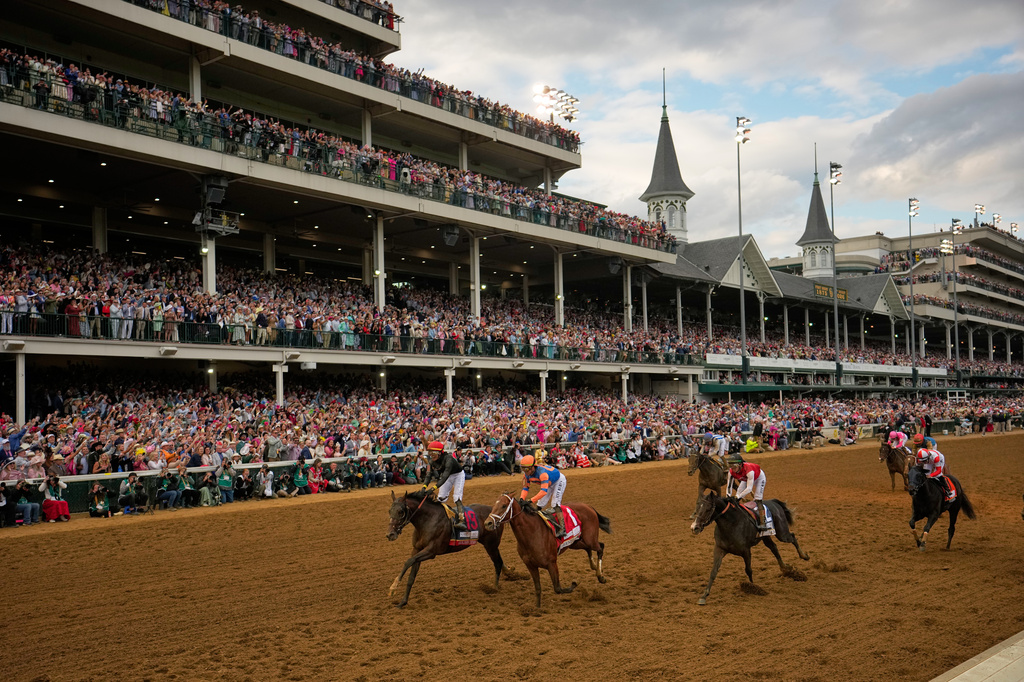
The 152nd running of the Kentucky Derby will be etched into the annals of horse racing history not just for the speed of the winner, but for the sheer audacity of his journey. On a sun-drenched Saturday at Churchill Downs, Golden Tempo, a 23-1 longshot, defied the odds to secure a victory that will be analyzed for decades. By surging from the very back of the pack to edge out a victory by a neck, the colt did more than just win a race—he shattered the glass ceiling of professional horse training.
For trainer Cherie DeVaux, the win was the culmination of a masterclass in patience and tactical discipline. By becoming the first female trainer to saddle a Kentucky Derby champion, DeVaux didn’t just break a record; she redefined the strategy required to win the “Run for the Roses.”
The Tactical Blueprint: Why Being Last Was Part of the Plan
In the modern era of the Kentucky Derby, the conventional wisdom often suggests that horses must stay near the pace to remain competitive. However, Jose Ortiz, the jockey aboard Golden Tempo, had a different philosophy. He understood that the 2026 field was heavy on early speed, with horses like Six Speed, So Happy, and Danon Bourbon setting a blistering pace.
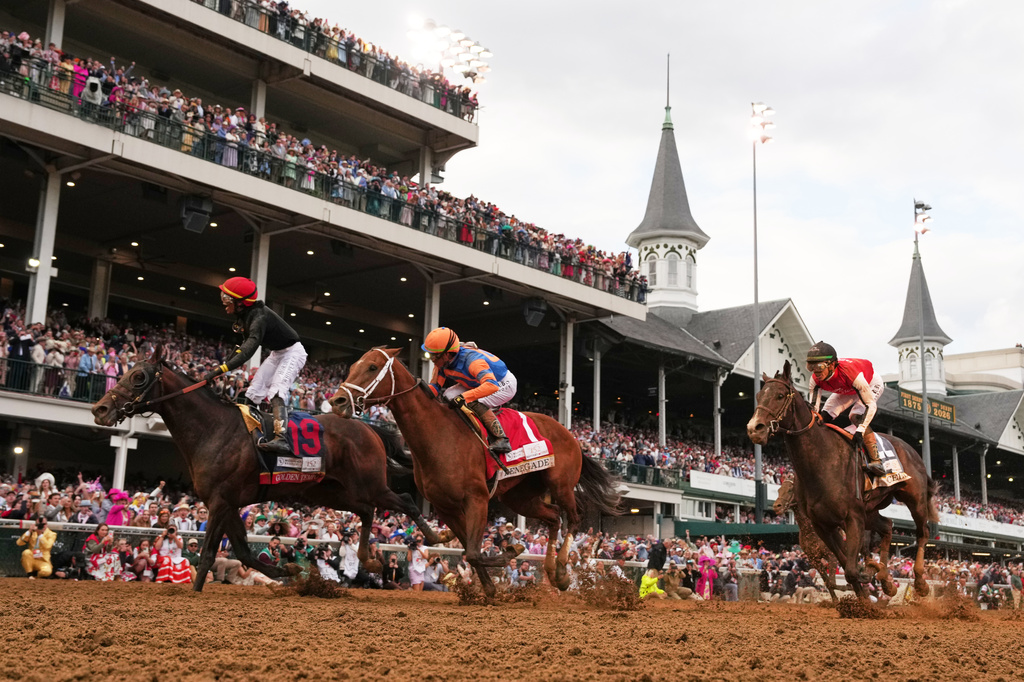
The race began with chaos. Golden Tempo was bumped by Ocelli at the break, forcing him to the back of the 18-horse field. While casual observers in the stands might have panicked, both DeVaux and Ortiz remained calm. They knew that the early fractions—a quarter-mile in 22.68 seconds and a half-mile in 46.44 seconds—were unsustainable for the front-runners.
Saving Ground and Waiting for the Opening
Ortiz’s brilliance lay in his refusal to engage early. By tucking Golden Tempo against the rail, he conserved energy while the field ahead burned theirs.
Pace Management: The heavy hitters up front exhausted their reserves by the time they reached the final turn.
The “Deep Closer” Strategy: Ortiz trusted his horse’s natural ability to finish, allowing him to stay disconnected from the front-runners until the optimal moment.
Tactical Flexibility: By the time the field rounded the far turn, Golden Tempo was still sitting in 13th place, but he was moving with purpose.
The Moment of Truth: A Masterful Move in the Stretch
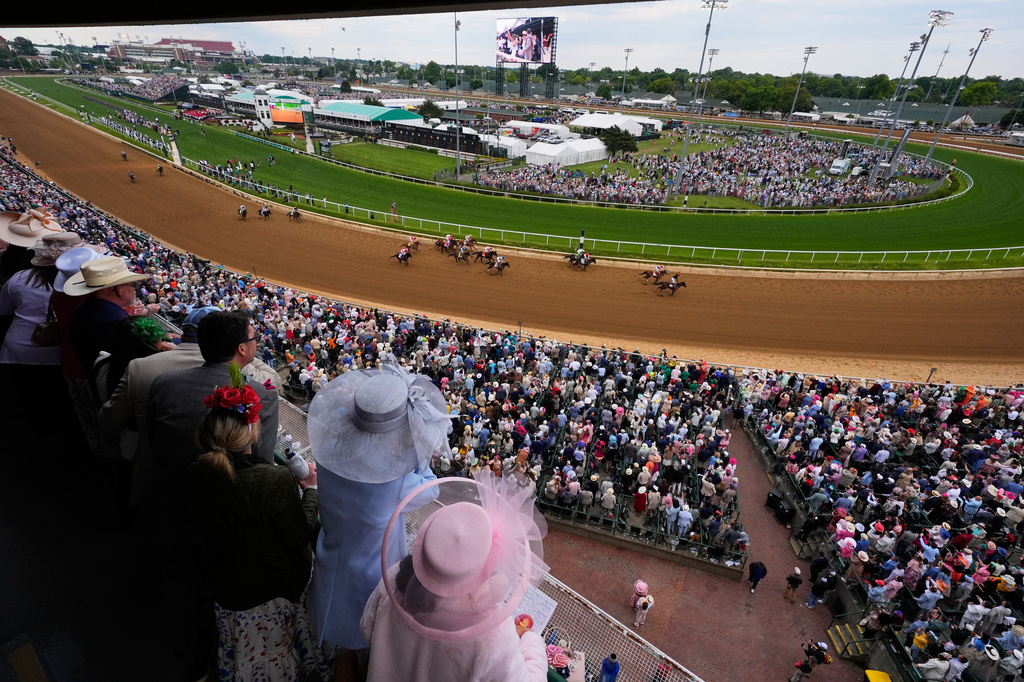
As the horses straightened for home, the race reached its climax. At the top of the stretch, Golden Tempo was still 13th, with a literal wall of horses ahead of him. Many jockeys would have panicked and attempted to dive toward the inside, but Ortiz made a calculated decision to swing wide.
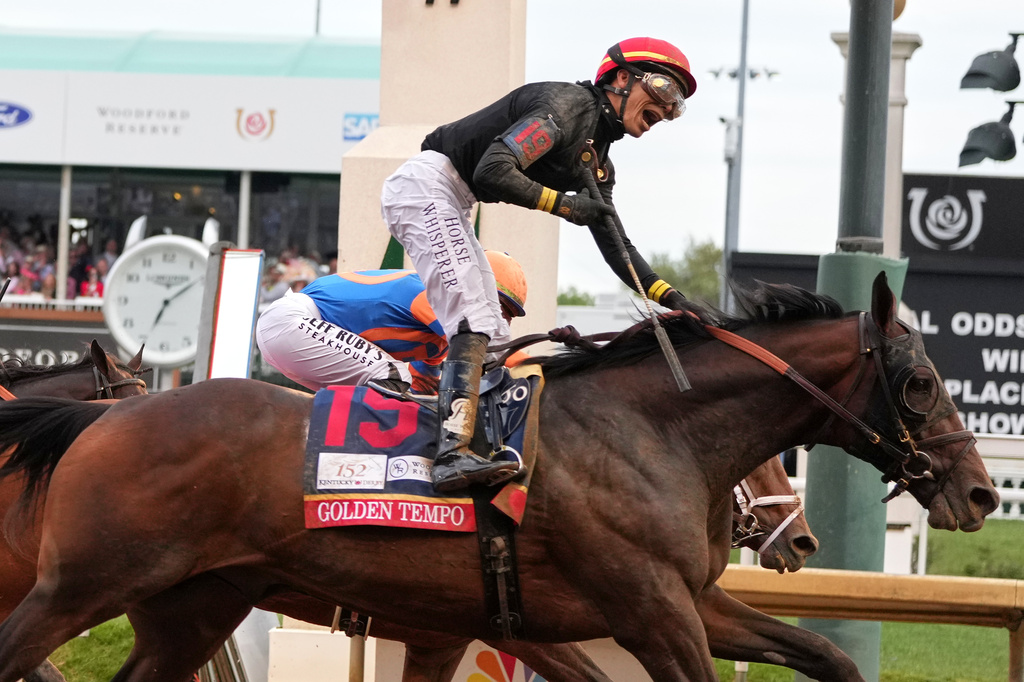
“I don’t want to mess with the inside with an 18-horse field,” Ortiz noted post-race. “I’ve done it in the past. Not good.” By choosing the outside lane, he gave Golden Tempo a clear path to accelerate without the risk of traffic interference. This maneuver allowed the colt to hit his top gear while his competitors were still fighting for room.
The Duel with Renegade
The final furlong became a private battle between Golden Tempo and Renegade, ridden by Irad Ortiz Jr. The sight of the two brothers—the Ortiz siblings—battling for the lead in the final yards of the Kentucky Derby added a layer of drama that transcended the sport. Golden Tempo’s closing speed proved superior, as he surged past Renegade just in time to capture the win by a neck.
Cherie DeVaux: A Historic Milestone for Horse Racing
The significance of this win cannot be overstated. For years, the training ranks at the highest level of American horse racing have been dominated by men. Cherie DeVaux’s victory with Golden Tempo serves as a watershed moment for the industry.
DeVaux’s approach to the Derby was methodical. From adding blinkers earlier in the season to improve the horse’s focus, to opting for the Louisiana Derby as a final test, every decision was aimed at peaking on the first Saturday in May. Her poise under pressure, even as her horse sat dead last for the majority of the race, demonstrated the kind of confidence that defines championship-level trainers.
The Pedigree and the Path to Glory
Golden Tempo is a son of the legendary Curlin, a two-time Horse of the Year. This victory provided Curlin with his first registered Kentucky Derby winner, further solidifying his status as a premier sire. The colt’s journey to the Derby was not an overnight success story; it was a calculated progression through the Derby prep season.
Lecomte Stakes (G3): A statement win that put him on the map.
Risen Star (G2): A solid third-place finish that provided crucial points.
Louisiana Derby (G2): A third-place finish where the addition of blinkers proved his late-running potential.
By the time the gates opened at Churchill Downs, Golden Tempo was a battle-tested runner who knew how to handle the distance. His final time of 2:02.27 on a fast track stands as a testament to his stamina and the conditioning work put in by the DeVaux team.
Why This Win Matters for Bettors and Fans
For those who wagered on the 23-1 longshot, the payout was handsome, with the horse returning $48.24, $19.14, and $11.90. However, the true value of this race lies in the lesson it teaches about horse racing analytics.
The 2026 Kentucky Derby proves that “pace makes the race.” When a field is loaded with speed, a deep closer who is allowed to settle is often the most dangerous horse in the stretch. Golden Tempo didn’t win because he was the fastest horse in the first quarter-mile; he won because he was the most efficient horse over the final quarter-mile.
As we look toward the remainder of the Triple Crown season, Golden Tempo has established himself as the horse to beat. Whether he can replicate this performance in the Preakness or the Belmont remains to be seen, but for now, he has earned his place in the pantheon of Derby legends.