End of an Era: Spirit Airlines Ceases Operations After 34 Years

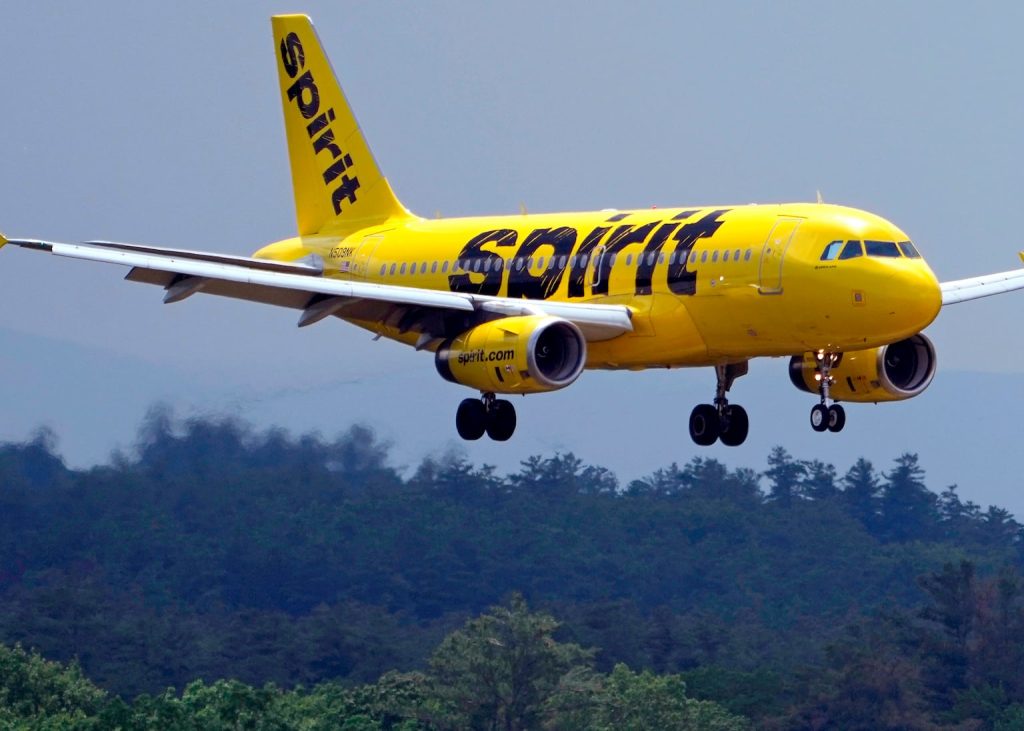
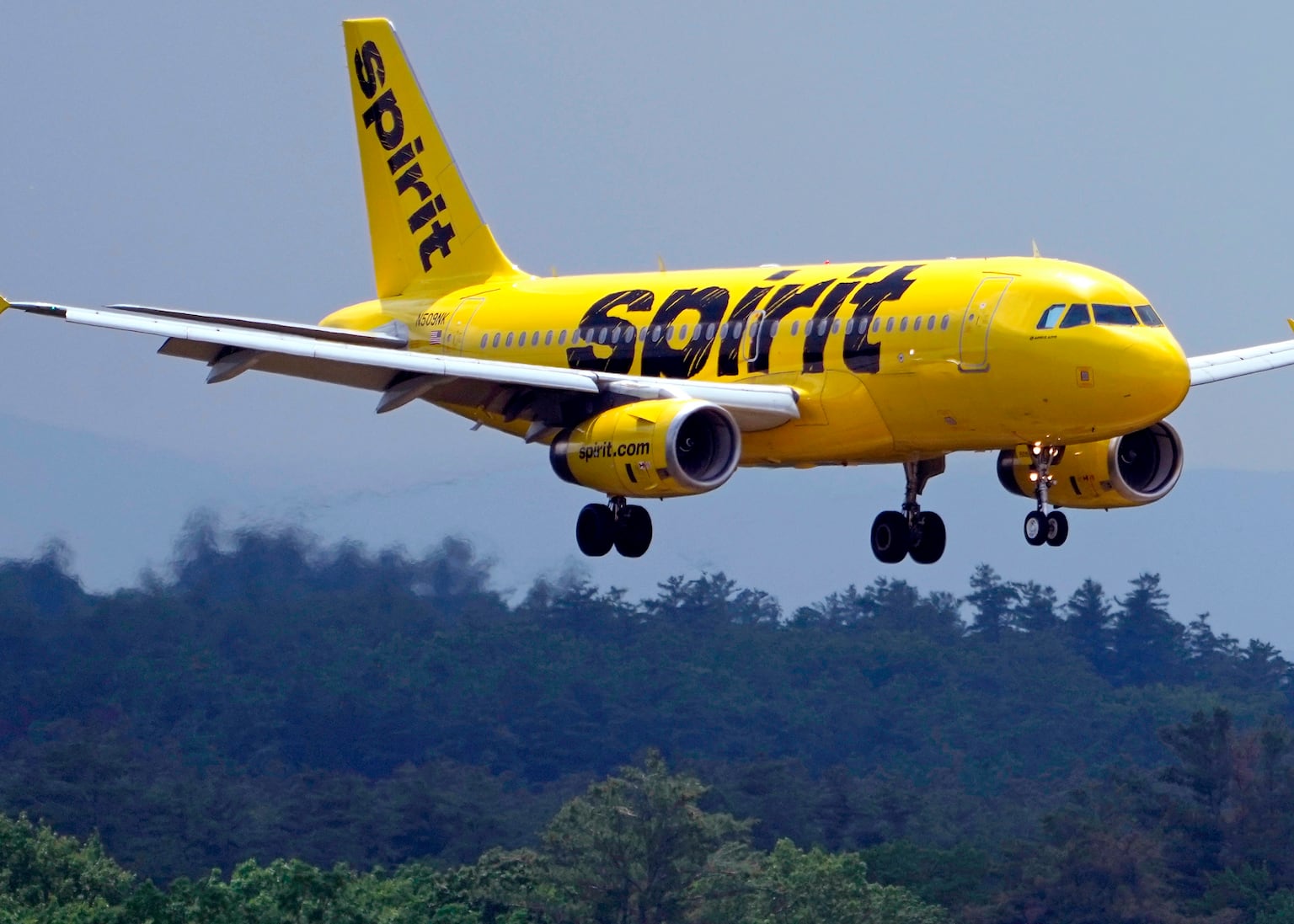
The aviation industry has been rocked by the definitive collapse of one of its most recognizable brands. Spirit Airlines, the ultra-low-cost carrier (ULCC) that transformed the landscape of American air travel with its “bare-bones” pricing model and iconic bright yellow livery, has officially gone out of business. After 34 years of operation, the airline announced an immediate and orderly wind-down, grounding its entire fleet and leaving thousands of passengers scrambling for alternatives.
This historic shutdown marks the first time in 25 years that a major U.S. carrier has collapsed due to financial insolvency, signaling a profound shift in the competitive dynamics of domestic travel.
The Final Descent: Why Spirit Airlines Collapsed
For years, Spirit Airlines was the disruptor of the skies. By unbundling airfare—charging separately for carry-on bags, seat assignments, and even water—the company democratized flight for millions of budget-conscious travelers. However, the airline’s aggressive business model proved fragile in the face of mounting macroeconomic pressures.
A Perfect Storm of Economic Hardship
Spirit’s financial instability was not an overnight development. Since the onset of the COVID-19 pandemic in 2020, the carrier struggled to regain its footing, accumulating over $2.5 billion in losses. The situation was exacerbated by rising operating costs, heavy debt loads, and a volatile geopolitical climate.
The ongoing Iran war placed significant upward pressure on global jet fuel prices, which served as the final straw for an airline already operating on razor-thin margins. By the time the company filed for Chapter 11 bankruptcy protection in November 2024, it was clear that the road to recovery would be steep. The subsequent August 2025 bankruptcy filing revealed a staggering $8.1 billion in debt against $8.6 billion in assets, leaving the company with virtually no room to maneuver.
The Failed Bailout and Political Tensions
In the final weeks leading up to the shutdown, the fate of the airline became a matter of national economic debate. The Trump administration, acknowledging the potential fallout for the 17,000 employees and the broader travel sector, explored the possibility of a taxpayer-funded rescue package.
The Last-Ditch Effort
President Donald Trump personally signaled that his administration had extended a “final proposal” to the airline to prevent a total collapse. The proposed bailout was designed to keep the company’s planes in the air while restructuring its massive debt. However, after intense negotiations, a deal could not be reached between the carrier and its primary bondholders.
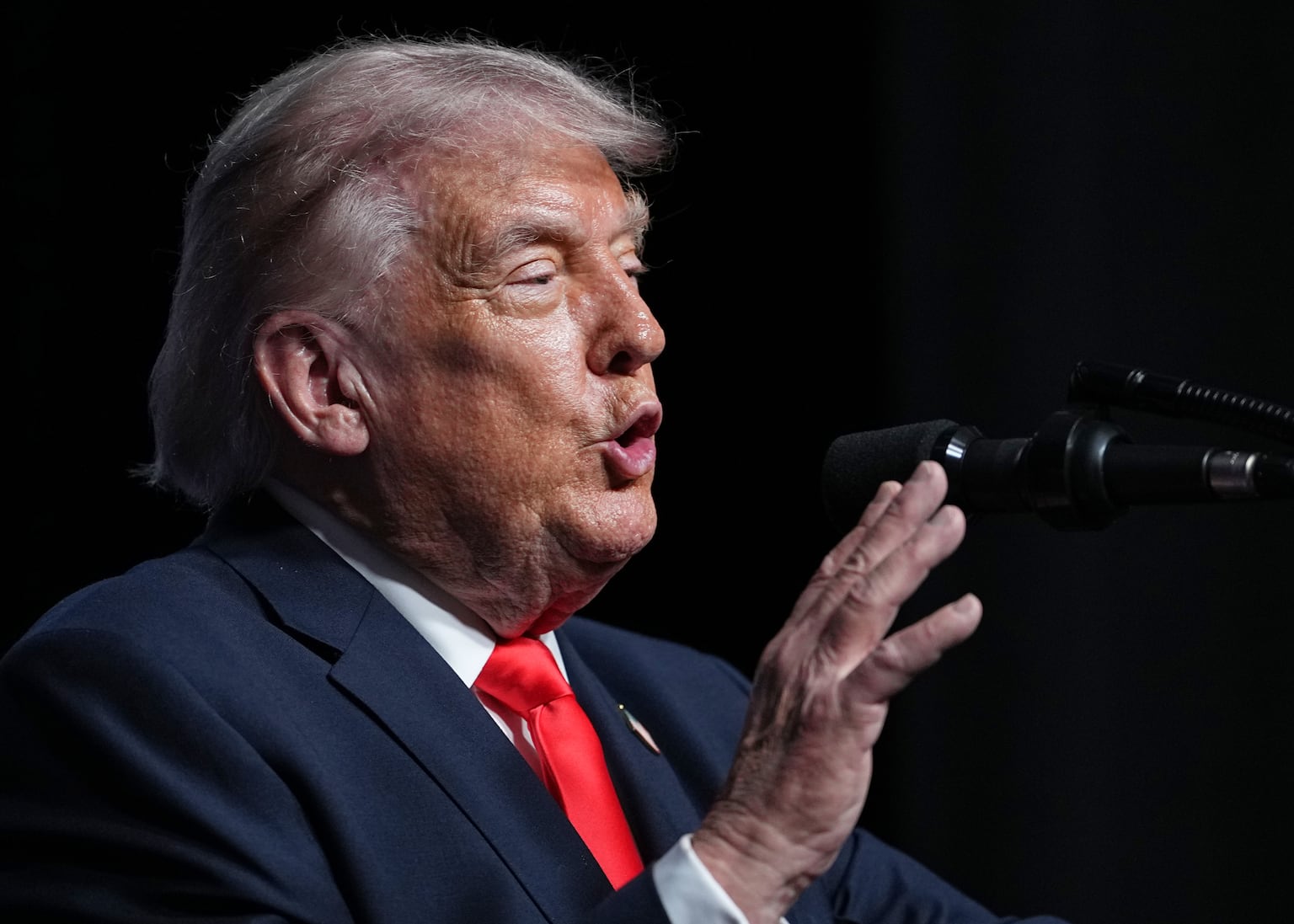
The failure to secure this $500 million lifeline meant that Spirit had no choice but to cease operations immediately. The collapse serves as a stark reminder of the limits of government intervention in the private aviation sector, especially when a business model faces structural, long-term viability issues.
Impact on Travelers and the Aviation Market
The immediate cessation of all Spirit flights has created a logistical nightmare for thousands of passengers. With customer service portals offline and the airline confirming that it will not be assisting with rebooking on other carriers, travelers are left to navigate the aftermath of canceled plans independently.
What This Means for Future Airfare
The departure of Spirit Airlines from the market is expected to have a significant ripple effect on the cost of domestic travel:
- Reduced Competition: Spirit was a primary driver of the “Spirit Effect,” where its presence forced legacy carriers to lower their prices on competing routes. Without this pressure, consumers may see a sharp increase in airfares, particularly in key hubs like Las Vegas, Fort Lauderdale, and Orlando.
- Job Market Volatility: Approximately 17,000 employees, including pilots, flight attendants, and ground crew, are now facing an uncertain future. Labor unions have expressed deep disappointment, noting that the collapse will have a devastating impact on workers’ livelihoods.
- Capacity Contraction: Spirit had already been scaling back significantly; by early 2026, the airline was operating with roughly half the seat capacity it held in May 2024. This reduction in supply, combined with the total exit of the carrier, will likely cause a supply-demand imbalance in the short term.
The Legacy of the “Yellow Plane”
Spirit Airlines will be remembered as an “impish upstart” that refused to conform to traditional airline standards. Its irreverent marketing and deep-discount fare structure challenged the status quo, forcing the entire industry to adapt to the reality of the ultra-low-cost model.
While the airline’s end was abrupt, its influence on the democratization of flight will likely be studied by aviation analysts for years to come. Whether the void left by Spirit will be filled by new entrants or absorbed by existing major carriers remains to be seen. For now, the bright yellow planes that once defined the American budget travel experience will remain grounded indefinitely.
Advice for Affected Customers
If you held a reservation with Spirit Airlines, the company has advised that refunds are expected to be processed. However, due to the total wind-down of operations, passengers should:
Check Credit Card Policies: Many credit card issuers offer travel protection that covers bankruptcies.
Monitor Official Channels: While customer service is limited, keep an eye on the airline’s official website for updates regarding the claims process.
- Seek Alternative Transport: Do not wait for rebooking assistance; secure new travel arrangements as soon as possible to avoid peak-season pricing.
The collapse of Spirit Airlines is a sobering conclusion to a 34-year journey. It marks a definitive end to a chapter of aviation history that was as colorful and controversial as the airline itself.