Legal Showdown: Drugmakers Petition Supreme Court to Restore Abortion Pill Access by Mail

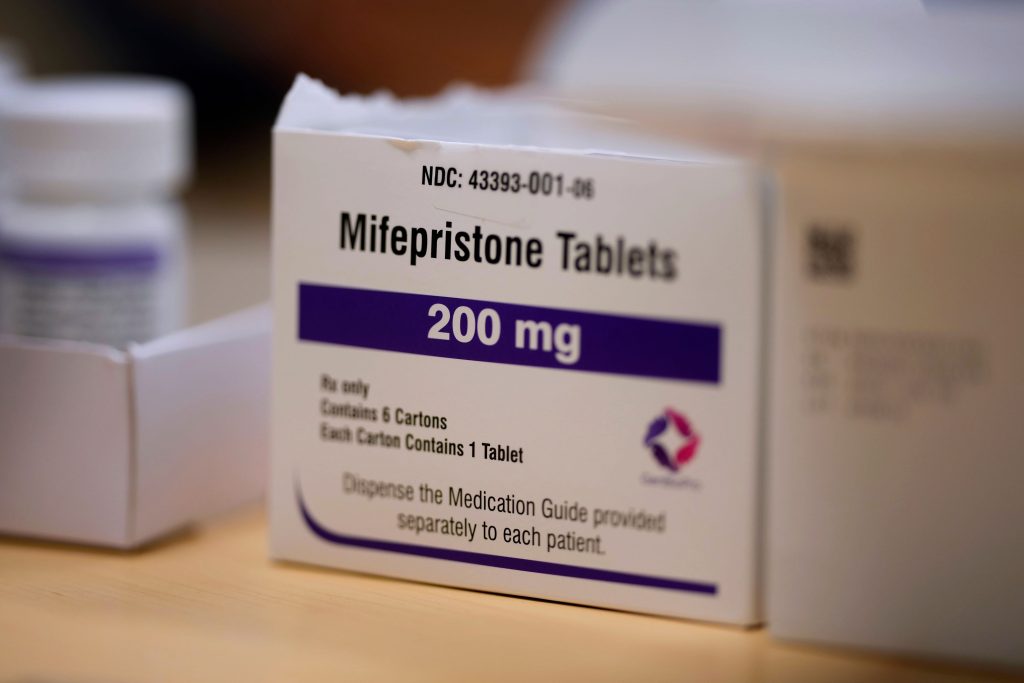
The landscape of reproductive healthcare in the United States remains in a state of high-stakes flux as of 2026. A pivotal legal battle has once again landed on the steps of the Supreme Court, as manufacturers of the abortion pill mifepristone scramble to challenge a restrictive ruling from the U.S. Court of Appeals for the 5th Circuit. This ongoing litigation threatens to upend the delivery of one of the most common methods of pregnancy termination in the country: the mail-order prescription.
At the heart of the dispute are two pharmaceutical companies, Danco Laboratories and GenBioPro, which have filed emergency appeals requesting the high court to intervene. Their goal is to stay a lower court’s decision that mandates in-person pickup for the medication, effectively halting the telehealth and mail-delivery systems that have become a lifeline for millions of patients since the overturn of Roe v. Wade.
The Core of the Legal Dispute: A Return to In-Person Requirements
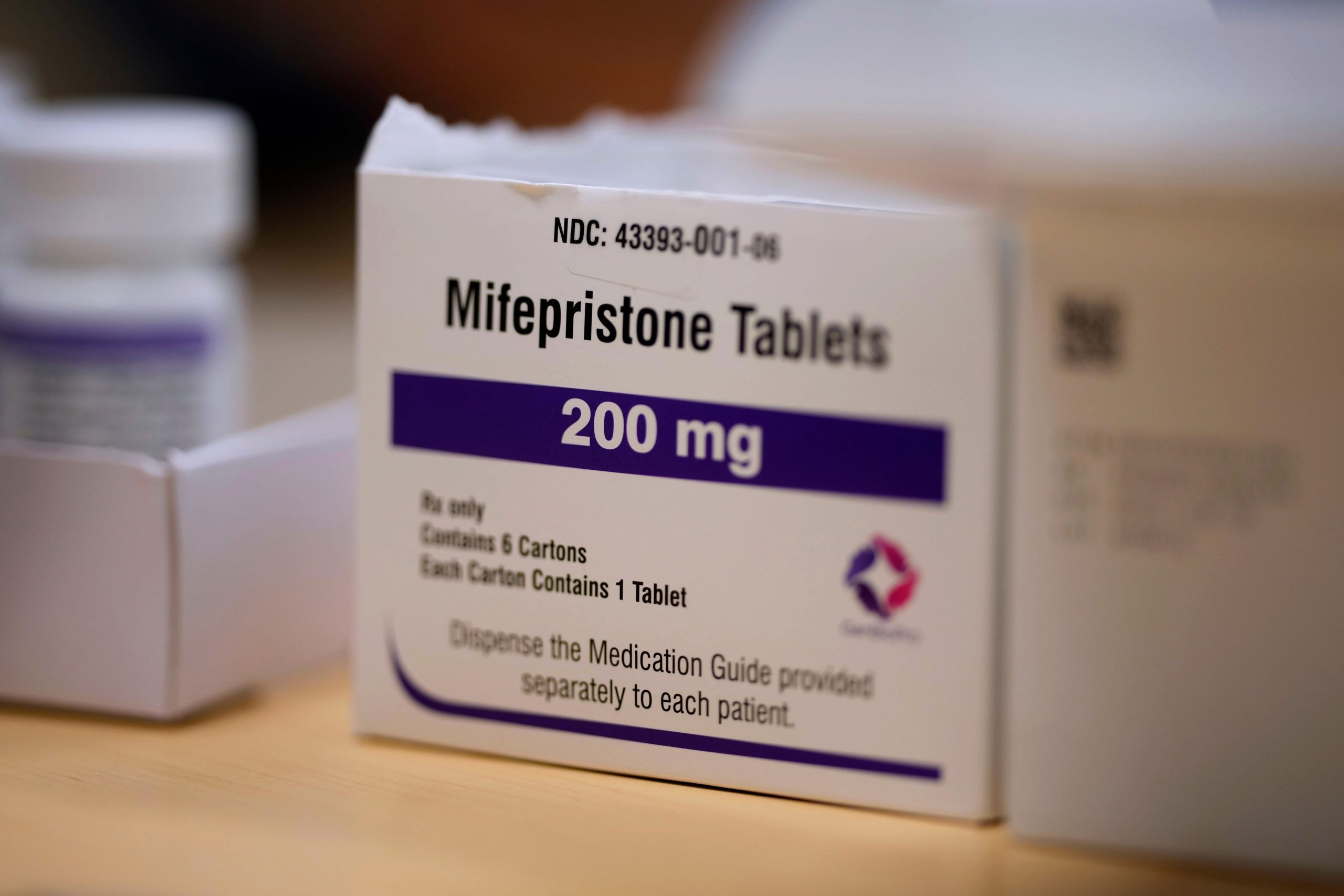
The 5th Circuit’s recent ruling has sent shockwaves through the medical and legal communities. By reinstating the requirement that mifepristone must be dispensed strictly in person, the court has effectively dismantled the FDA’s modernized safety protocols that allowed for remote telehealth consultations and pharmacy-by-mail services.
For years, the FDA has maintained that mifepristone—when used in conjunction with misoprostol—is a safe and effective regimen. Medical organizations, including the American College of Obstetricians and Gynecologists, have consistently cited robust evidence supporting the safety of these pills. However, anti-abortion advocates have argued that the expansion of mail-order access circumvents state-level restrictions and poses regulatory concerns.
Why Drugmakers Are Fighting Back
In their filings to the Supreme Court, Danco Laboratories and GenBioPro have struck a tone of urgent concern. They argue that the appellate court’s order is unprecedented in its scope. According to the drugmakers, it is highly unusual for a federal court to attempt to override years-old FDA drug approvals or to dictate the specific distribution channels for a medication that has already been deemed safe by federal regulators.
The manufacturers emphasize that:
Regulatory Stability: The ruling threatens the integrity of the FDA’s scientific judgment, potentially setting a dangerous precedent where courts, rather than experts, dictate drug access.
Irreparable Harm: Restricting access by mail causes significant burdens for patients, particularly those living in rural areas or states with strict abortion bans.
- Operational Disruption: Pharmacies, providers, and patients have relied on these established channels for years, and a sudden reversal creates chaotic uncertainty in the healthcare market.
The Role of “Shield Laws” and Federal Tensions
Following the 2022 Supreme Court decision to eliminate the federal right to abortion, several Democratic-led states moved quickly to pass “shield laws.” These legal protections were designed to safeguard providers who prescribe and mail abortion pills to patients, even those residing in states where the procedure is banned.
The existence of these laws turned the mail-order delivery system into a critical access point. As this network expanded, it drew the ire of anti-abortion strategists who sought to challenge the legality of telehealth abortion services. The current lawsuit, originating in Louisiana, represents the latest effort by Republican-led states to curb this access by targeting the FDA’s authority over the drug’s distribution.
The Conflict Between State and Federal Power
The tension between state-level bans and federal FDA regulations has created a complex legal minefield. While the FDA has historically held the power to regulate drug safety and distribution, some conservative states argue that the agency has overstepped its bounds by allowing mail-order delivery. This clash of jurisdictions is precisely what the Supreme Court is now being asked to resolve.
Legal scholars note that the stakes are not merely about a single pill, but about the future of administrative law. If the Court allows the 5th Circuit’s ruling to stand, it could open the door for future lawsuits challenging other controversial medical treatments, further politicizing a regulatory environment that was designed to be driven by data and science.
The Potential Fallout: What If Access Is Restricted?
If the Supreme Court fails to grant the emergency stay, the impact on reproductive healthcare will be immediate and profound. Providers have been bracing for this possibility, with some already discussing backup plans, such as shifting to a misoprostol-only regimen.
While misoprostol is effective on its own, it is generally considered less effective than the combination of mifepristone and misoprostol. Furthermore, patients using misoprostol alone may experience higher rates of physical discomfort, including more intense cramping and longer recovery times. The shift would represent a significant regression in the quality of care available to patients seeking medication abortion.
A History of Legal Resilience
It is worth noting that this is not the first time the Supreme Court has faced a challenge regarding mifepristone. As recently as 2024, the Court ruled unanimously that the plaintiffs in a similar case lacked the legal standing to challenge the drug’s approval. However, the current litigation, brought by a different coalition of states, presents a new set of legal arguments that the justices must now weigh.
The uncertainty surrounding when, or how, the Supreme Court might rule adds a layer of anxiety for both patients and healthcare providers. Until a final decision is reached, the mail-order abortion pill network remains in a state of precarious limbo.
Conclusion: The Future of Reproductive Health Policy
The petition from Danco and GenBioPro marks a critical juncture in the ongoing legal battle over reproductive rights in the United States. As of 2026, the question of whether the FDA has the final authority to dictate how a drug is distributed—or whether individual courts can intervene—remains the central issue.
Regardless of the Supreme Court’s impending decision, this case highlights the deepening divide in American healthcare policy. On one side, providers and manufacturers advocate for science-based, accessible medicine; on the other, state-level opponents continue to use every legal avenue available to restrict access. For now, the nation waits to see if the high court will uphold the FDA’s regulatory authority or allow a return to a more restrictive era of medical access.