Legal Shift: US Appeals Court Temporarily Blocks Mail-Order Access to Mifepristone

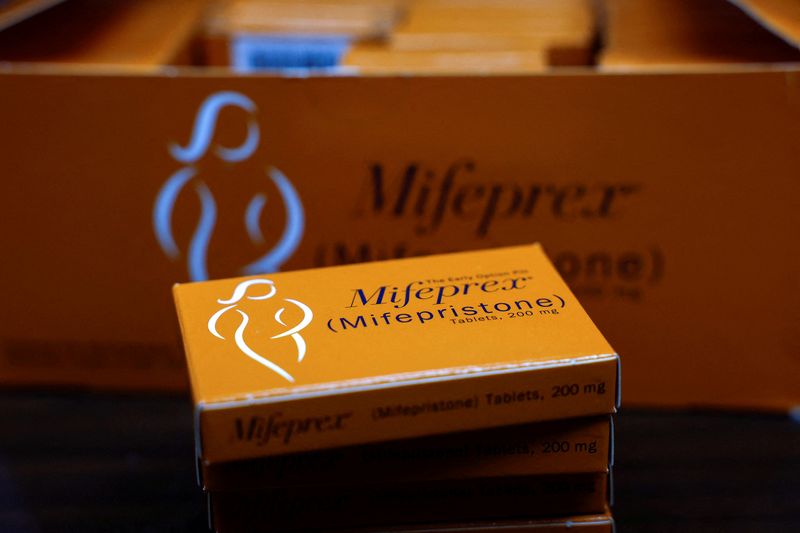
The landscape of reproductive healthcare in the United States has shifted once again. In a significant legal development this May 2026, a federal appeals court has issued a temporary block on the regulation that permits the abortion drug mifepristone to be distributed through the mail. This ruling marks a pivotal moment in the ongoing national debate over medication abortion access, effectively reversing the FDA’s 2023 decision to remove the in-person dispensing requirement.
As the legal battle intensifies, patients, healthcare providers, and advocacy groups are grappling with the immediate implications of this decision. For many, this is not merely a procedural update; it represents a major hurdle in accessing reproductive care, particularly in regions where abortion services are already heavily restricted.
Understanding the Court’s Decision
The ruling, handed down by a conservative three-judge panel of the New Orleans-based 5th U.S. Circuit Court of Appeals, was unanimous. The court sided with the state of Louisiana, which argued that the FDA failed to properly justify the removal of safety “guardrails” when it allowed for telehealth prescriptions and mail-order delivery of the drug.
The Core Arguments
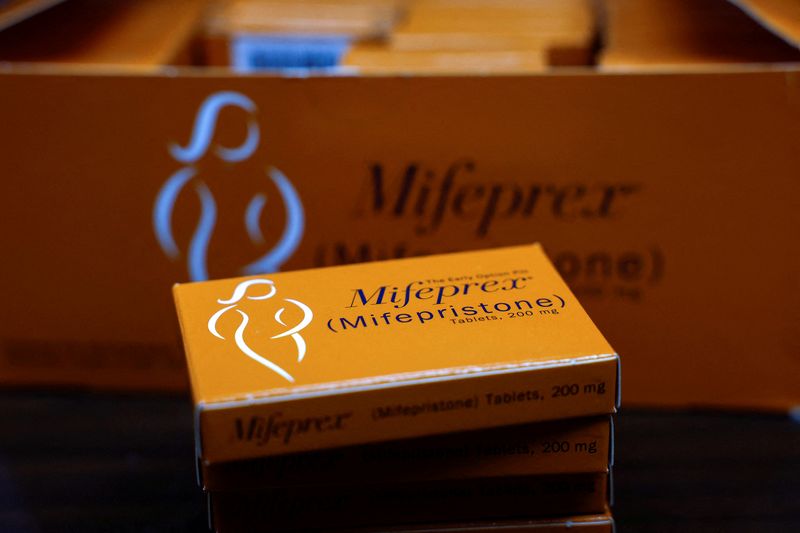
The primary contention centers on the FDA’s authority and the medical safety profile of mifepristone. Louisiana’s Attorney General, Liz Murrill, has championed the lawsuit, asserting that the drug poses significant risks, such as hemorrhaging and sepsis, which require closer medical supervision.
Conversely, the Biden administration—and the drug manufacturers involved in the case—maintain that mifepristone is safe and effective. They cite extensive clinical data demonstrating that major adverse events occur in fewer than 1% of patients. By reimposing the in-person requirement, the court has effectively narrowed the delivery mechanism for a drug that accounts for approximately two-thirds of all abortions performed in the U.S. today.
The Impact on Medication Abortion Access
The implications of this temporary injunction are widespread. With nearly half of all U.S. states having already implemented bans or severe restrictions on abortion since the 2022 Supreme Court decision to overturn Roe v. Wade, the reliance on telehealth abortion services has become a lifeline for many.
Disrupting the Standard of Care
For years, the medical community has moved toward a model where patients can consult with providers remotely and receive medication via mail. Research from the University of Southern California highlights that in states where this is legal, fewer than 2% of prescriptions are filled in person. By forcing a return to in-person visits, the court’s decision creates a logistical barrier that could effectively end access for those who cannot travel to a clinic.
Geographic Barriers: Patients in rural or “abortion desert” areas will face the highest burden, as they may have to drive hundreds of miles to reach an authorized facility.
Logistical Chaos: Clinics already operating at capacity may struggle to accommodate a sudden influx of patients who previously relied on mail-order prescriptions.
- Conflicting State Laws: The ruling complicates the status of “shield laws” in states like California and New York, which were designed to protect healthcare providers who prescribe abortion medication to patients in restrictive states.
Why This Case Matters for 2026
This legal challenge is part of a broader, multi-front war on reproductive rights. While the current ruling is temporary, it signals a potential long-term trend of judicial intervention in regulatory science.
The Role of the Judiciary and the FDA
Critics of the ruling, including the CEOs of major pharmaceutical companies producing generic mifepristone, argue that the judiciary is overstepping by ignoring “rigorous science” and decades of established safety data. There is significant concern that if courts are permitted to override FDA approval processes based on political or ideological challenges, it could set a dangerous precedent for other types of medication.
The legal pathway forward remains uncertain. The case could be appealed to the full 5th Circuit or, more likely, find its way to the U.S. Supreme Court. Given the high stakes, both anti-abortion advocates and reproductive rights organizations are preparing for a protracted legal battle that may define the limits of federal regulatory power for years to come.
Looking Ahead: The Path to the Supreme Court
As of mid-2026, the situation remains fluid. While the Trump administration’s internal reviews of mifepristone safety have been delayed, the legal pressure from states like Louisiana, Texas, and Idaho continues to mount.
Key Factors to Watch:
- Supreme Court Intervention: Given the national significance, it is highly probable that the Supreme Court will be asked to intervene once more, especially after their 2024 decision to dismiss a similar case on the grounds of “legal standing.”
- Market Stability: Drug manufacturers like Danco Laboratories and GenBioPro are actively defending their products in court. Any permanent restriction on distribution would not only impact patients but also threaten the business models of these pharmaceutical entities.
- Public Health Outcomes: Public health experts are closely monitoring the data to determine if the lack of mail-order access leads to an increase in unsafe, self-managed abortions or delays in necessary care.
Conclusion
The decision to block mail-order access to mifepristone is a stark reminder of how volatile the legal landscape for reproductive healthcare has become. By prioritizing state-led legal challenges over federal regulatory standards, the 5th Circuit has created an environment of “chaos and confusion” for patients nationwide.
As we move through the remainder of 2026, all eyes will be on the appellate courts and the Supreme Court. Whether this temporary block becomes a permanent fixture of American healthcare or is overturned remains to be seen. For now, the ruling stands as a significant disruption to the status quo, leaving millions of Americans to navigate an increasingly complex and restrictive system of care.