Pothole Paradox: Why 10,000 Repairs Are Not Enough to Save Northern Ireland’s Roads

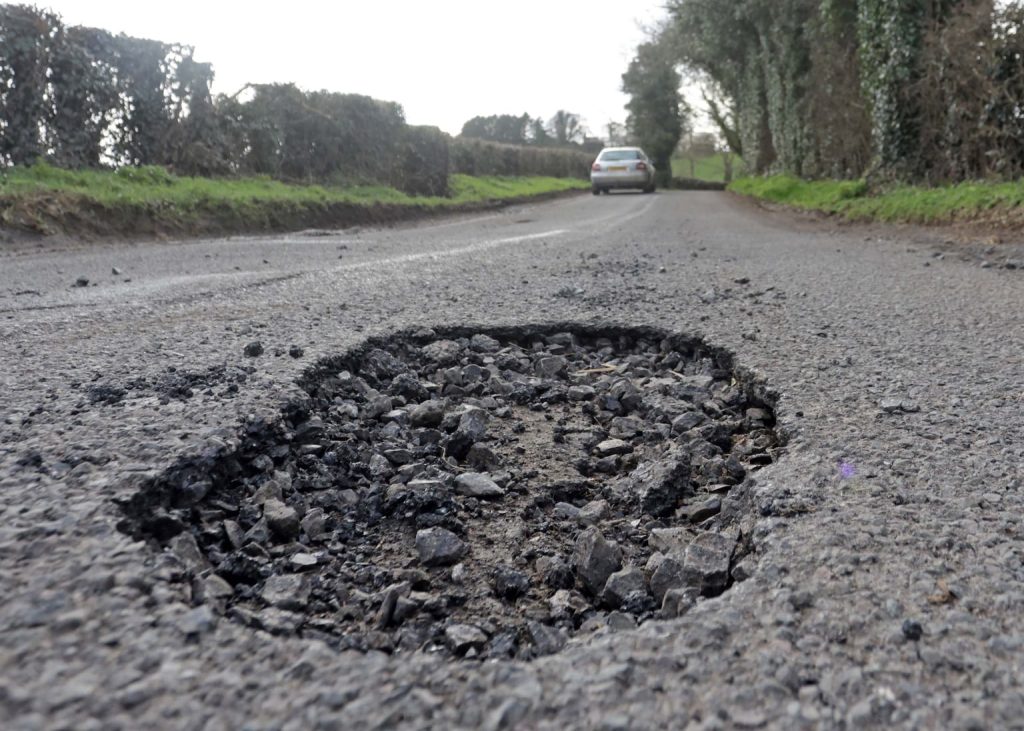
As we move through 2026, the state of Northern Ireland’s road network remains a primary source of frustration for commuters, hauliers, and local families alike. Recently, Infrastructure Minister Liz Kimmins made headlines by announcing that 10,000 potholes had been repaired in just eight weeks, a milestone attributed to the £7.85 million Winter Road Recovery Fund launched earlier this year.
However, beneath the celebratory tone of the Department for Infrastructure (DfI) press release lies a growing controversy. While the minister points to the sheer volume of repairs as evidence of success, opposition figures and analytical data suggest that the department is actually doing less with significantly more financial backing. In this deep dive, we examine the disconnect between government rhetoric and the reality of our crumbling infrastructure.
The Numbers Game: Celebrating Progress or Masking Decline?
The DfI’s recent announcement was framed as a victory for road crews working under pressure. Following the severe weather events earlier this year—most notably the damage caused by Storm Chandra—the £7.85 million injection was intended to be a lifeline for a struggling network.
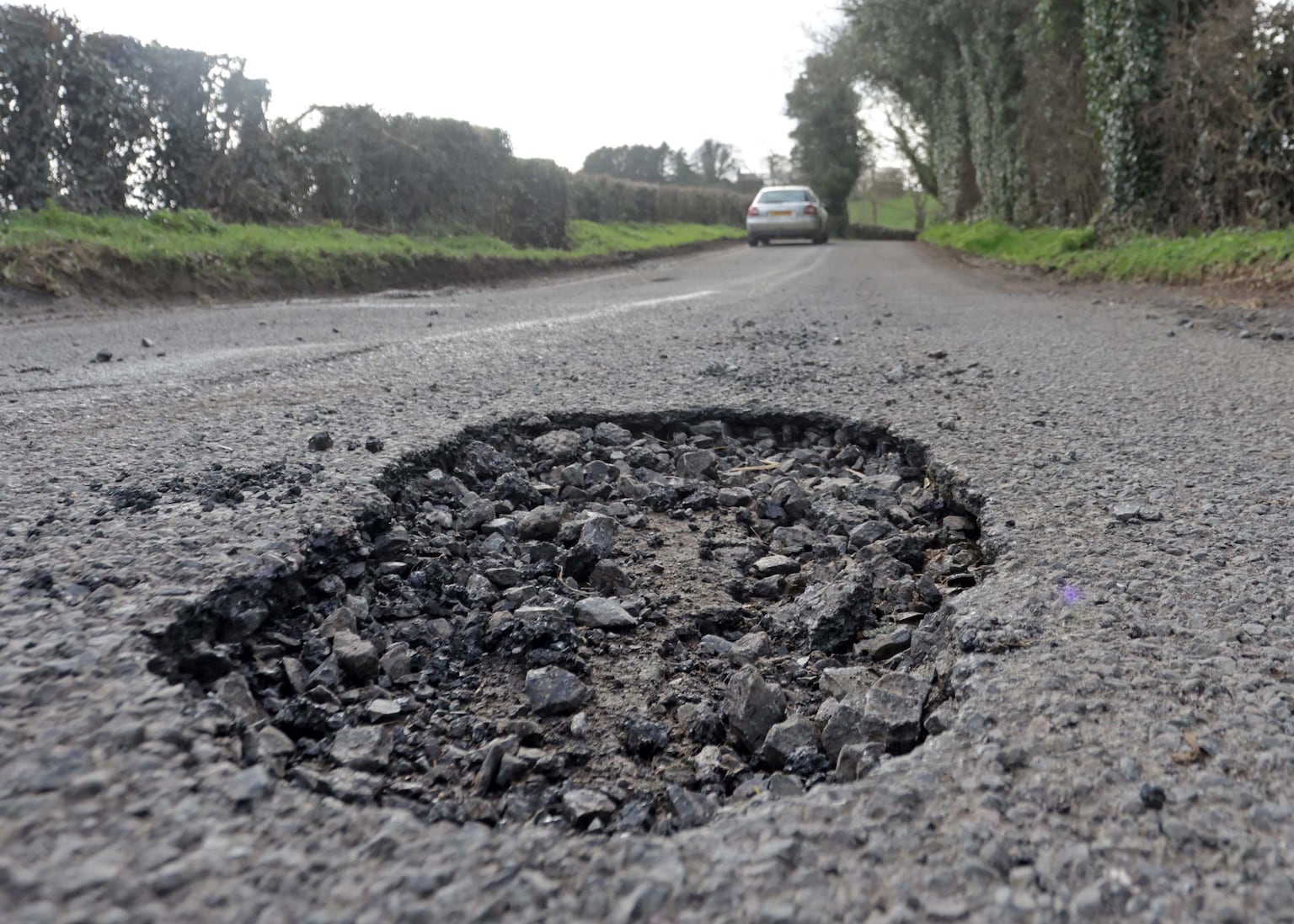
However, when we look at the historical data provided by the Northern Ireland Statistics and Research Agency (NISRA), the narrative becomes far more complicated. If we extrapolate the current “success” rate of 10,000 repairs every eight weeks, the department is on track to fix roughly 65,000 defects over the course of a full year.
A Stagnating Output
To put that figure into perspective, consider the following:
Last Year’s Total: The department successfully repaired 81,843 potholes.
The Five-Year Trend: In the 2019/20 period, over 97,000 repairs were completed.
The Gap: At the current pace, the DfI would need to increase its output by 300 repairs per week just to match last year’s already declining performance.
The math suggests that despite the significant Winter Road Recovery Fund allocation, the actual rate of intervention is slowing down. Critics argue that the Minister is “glossing over” the reality that the infrastructure is deteriorating faster than it is being restored.
Political Backlash: Efficiency Under the Microscope
The DUP’s Peter Martin, who serves as the chair of the Stormont Infrastructure Committee, has been a vocal critic of the Minister’s approach. He argues that the department is failing to manage its largest budget in recent history with the necessary efficacy.

According to Martin, the focus on “10,000 repairs” is a public relations exercise designed to distract from a systemic failure. The core of his argument is that temporary fixes—the kind that fill a pothole only for it to reopen after the next rainfall—are a waste of taxpayer money. If the underlying structural maintenance is ignored, the cycle of repair and failure will continue indefinitely, leading to higher long-term costs.
The Minister’s Defense
Minister Kimmins has defended the department’s performance, emphasizing that the repair work was carried out “at pace” to mitigate the damage caused by recent severe weather. The DfI has pointed to the “well-documented” damage from the winter months as the primary reason for the strain on the network. However, the department has notably stopped short of addressing the specific statistical decline compared to previous years, opting instead to focus on the immediate, short-term success of the recovery fund.
The “Temporary Fix” Culture
One of the most persistent complaints from road users is the fleeting nature of these repairs. A “pothole patch” is often a stop-gap measure, not a permanent solution. When roads are not properly resurfaced, they remain susceptible to water ingress and freeze-thaw cycles, which inevitably lead to the road surface breaking up again.
Financial Mismanagement: Spending millions on temporary patches rather than long-term capital maintenance is being viewed by many as a “sunk cost” fallacy.
Safety Concerns: For motorists, hitting a pothole that has “reopened” is not just an inconvenience—it is a significant safety hazard that can cause thousands of pounds in vehicle damage.
Infrastructure Decay: The £16.8 million capital boost mentioned in recent reports is intended to help, but it must be balanced against the reality of years of underfunding that have left the structural integrity of the roads in a fragile state.
Looking Ahead: What Does the Future Hold?
The debate over road maintenance in Northern Ireland is symptomatic of a larger issue regarding public infrastructure in the UK. As the government pledges millions to tackle the issue, the public remains skeptical. With almost 50,000 new defects reported in just the last three months, the backlog is growing at an alarming rate.
If the Department for Infrastructure continues to focus on the number of holes filled rather than the quality of the road surface, the 2026/27 financial year is likely to see further public outcry. True progress will not be measured by a press release highlighting a temporary milestone, but by a demonstrable reduction in the total number of reported defects and an increase in long-term, high-quality resurfacing projects.
Conclusion
The “10,000 potholes in eight weeks” announcement serves as a perfect case study for the disconnect between political messaging and administrative reality. While the road crews are undoubtedly working hard under difficult conditions, the statistical evidence suggests that the strategy is falling short of past performance.
For the Infrastructure Minister, the challenge is clear: stop the blame game regarding historical underfunding and start delivering a sustainable, long-term maintenance plan that makes the roads safe for everyone. Until then, motorists will continue to feel the impact of this “less for more” approach every time they hit the road.