Iran Submits New Peace Proposal via Pakistan: Can Diplomacy Break the Deadlock?

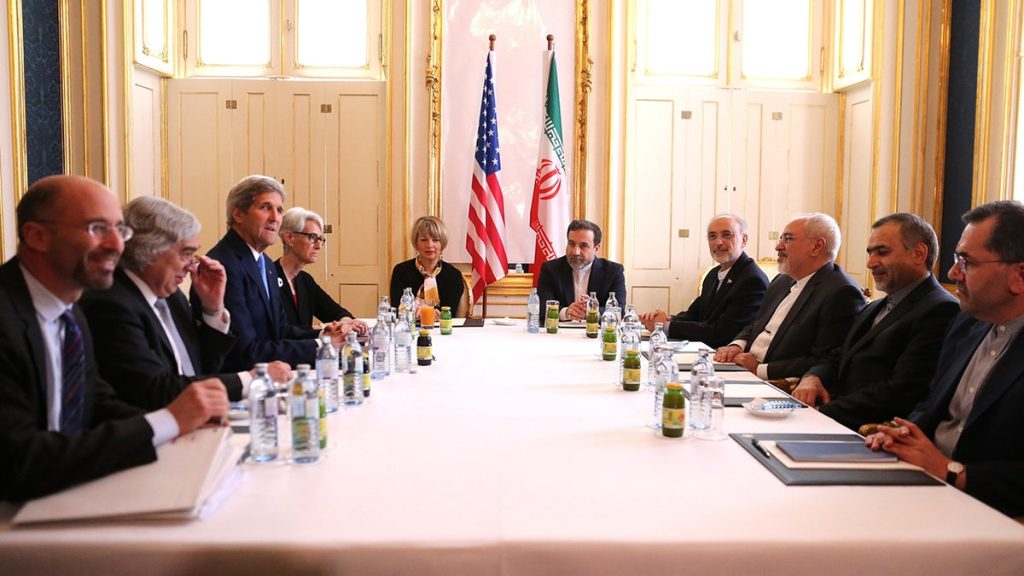
As of May 2026, the geopolitical landscape of the Middle East remains on a knife’s edge. Following nearly nine weeks of intense conflict, Iran has officially submitted a new peace proposal to the United States, utilizing Pakistani officials as intermediaries. While the international community watches with bated breath, the path toward a sustainable ceasefire remains clouded by conflicting rhetoric and stalled negotiations.
The Diplomatic Gambit: What We Know
On Thursday evening, Tehran delivered a fresh diplomatic framework to Pakistani mediators in an urgent effort to de-escalate the ongoing war. According to Iran’s state news agency, IRNA, the proposal seeks to address the immediate cessation of hostilities.
Reports suggest that the core of the offer involves a prioritized approach: Iran appears willing to negotiate the immediate reopening of the Strait of Hormuz to commercial traffic, while simultaneously proposing to postpone discussions regarding its nuclear and ballistic missile programs. By decoupling maritime security from its nuclear file, Tehran is seemingly attempting to address the most acute global economic pressure point—soaring energy costs—before tackling the deeper, more contentious ideological disagreements with Washington.

The White House Response: Trump’s “Not Satisfied” Stance
Despite the diplomatic overture, the reception in Washington has been cold. President Donald Trump, maintaining his trademark “keep them guessing” strategy, recently remarked that only he and a very small circle of advisors truly understand the status of these talks.
When pressed on the new proposal, President Trump explicitly stated he was “not satisfied.” His administration has signaled that a partial deal—one that ignores the long-term threat of nuclear proliferation—is unlikely to meet the threshold for a full lifting of sanctions or a total end to military posturing. Furthermore, the Trump administration has dismissed internal criticism regarding his War Powers Act authority, arguing that the current ceasefire effectively “terminated” the legal clock for congressional authorization.
<img alt="President Trump warns Iran faces military action over nuclear program …" src="https://static.foxnews.com/foxnews.com/content/uploads/2025/06/trumpiranmissle.png” style=”max-width:100%; height:auto; border-radius:8px; margin: 1rem 0;” />
Global Economic Fallout: Gas Prices and Blockaded Waters
The urgency for a deal is underscored by the state of the global economy. With the Strait of Hormuz largely closed to commercial shipping, the impact on the energy market has been immediate and painful for Western consumers.
Soaring Energy Costs: U.S. gas prices have surged to an average of $4.39 per gallon, the highest level recorded since July 2022.
Weekly Spike: In just the last week alone, costs rose by 33 cents, signaling that the market is pricing in long-term volatility.
- Supply Chain Disruption: The closure of this vital maritime chokepoint is not just an Iranian issue; it is a global crisis that threatens to push already fragile economies toward recession.
Regional Tensions: A Fragile Reality
The struggle for peace is not limited to U.S.-Iran relations. The broader region is suffering from a cascading series of conflicts. In Lebanon, the health ministry reported that over a dozen individuals were killed in recent Israeli strikes, even as a formal ceasefire was theoretically in place.
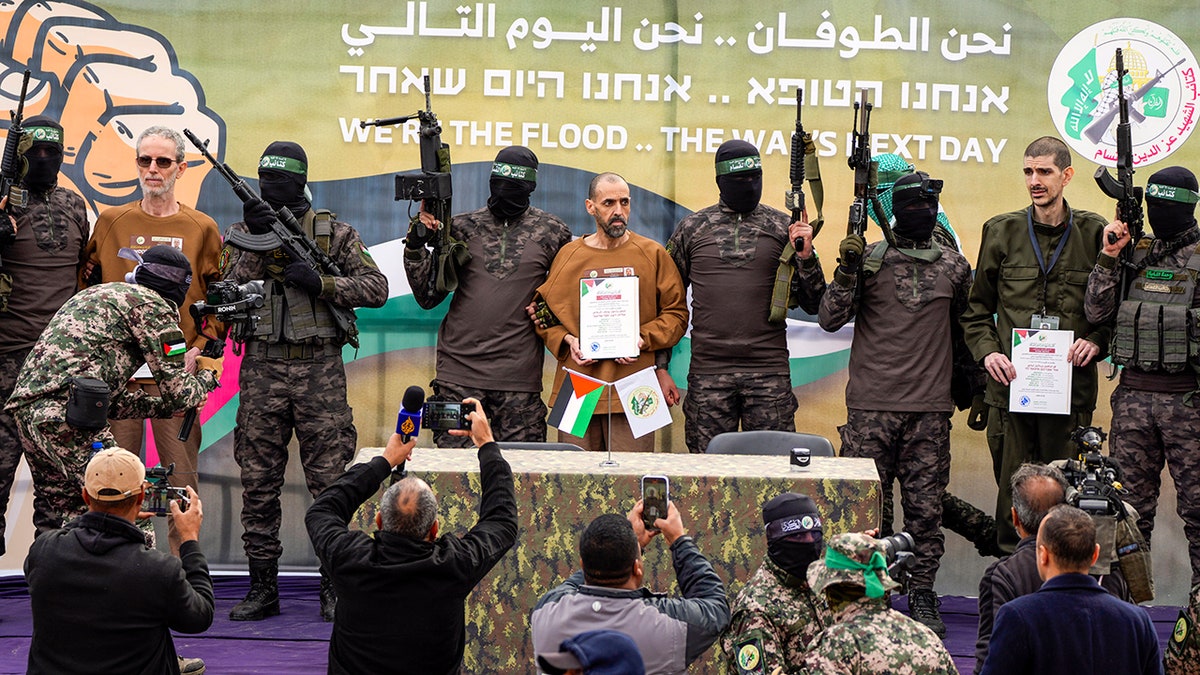
This discrepancy between diplomatic promises and ground-level reality is a recurring theme in the 2026 crisis. While Tehran pushes for peace through Pakistani channels, Supreme Leader Mojtaba Khamenei has continued to strike a defiant tone, publicly vowing to maintain Iran’s military and missile capabilities. This “dual-track” approach—negotiating peace with one hand while holding onto military leverage with the other—appears to be the primary reason for the current diplomatic impasse.
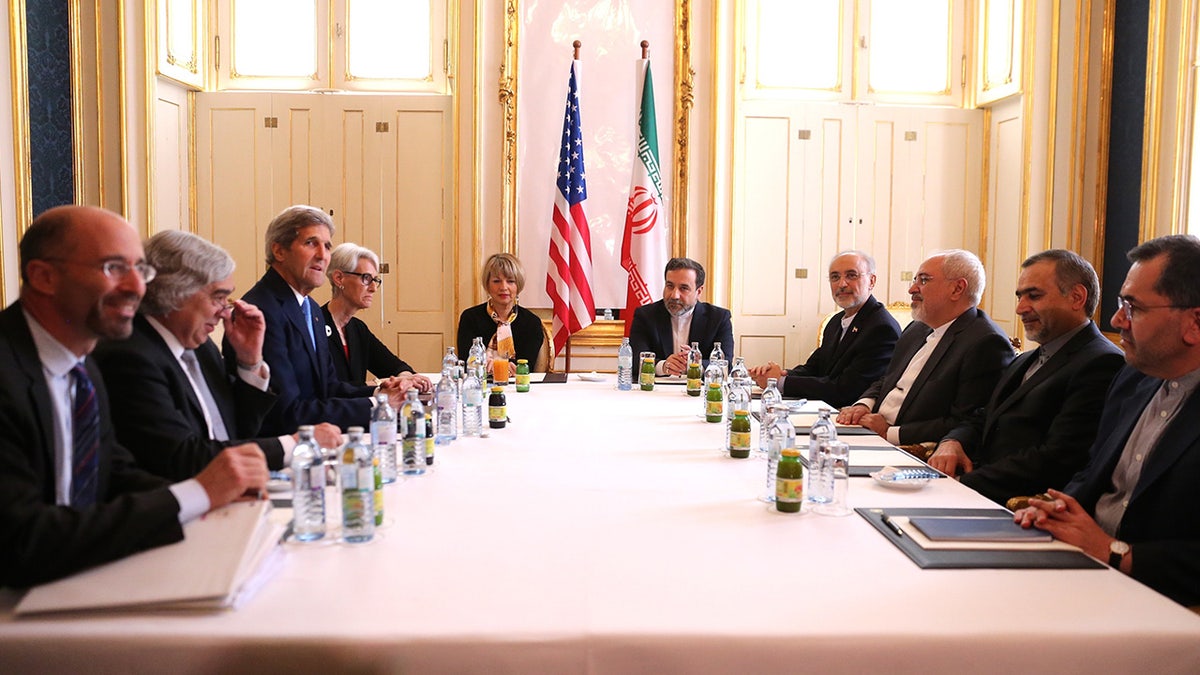
Analysis: Is a Breakthrough Possible?
The core challenge lies in the fundamental disagreement over priorities. The U.S. remains focused on the “big picture”—denuclearization and regional stability—while Iran is prioritizing immediate survival and the removal of maritime blockades.
- The Pakistani Role: Islamabad has solidified its position as a critical mediator. By acting as a neutral conduit, they provide a “face-saving” mechanism for both sides to communicate without direct public engagement.
- The Trump Factor: President Trump’s rhetoric suggests he is holding out for a “maximum pressure” outcome. His rejection of the current proposal indicates that the administration is not yet ready to accept a deal that leaves Iran’s nuclear infrastructure intact.
- The Time Variable: With war powers debates heating up in Congress and the economic pressure of high gas prices mounting, the pressure on the White House to find a solution is increasing, even if the current terms are rejected.
Conclusion: The Long Road Ahead
As of May 2026, the submission of this new proposal is a step, but it is far from a solution. The divide between Iran’s desire for immediate relief and the U.S. demand for long-term security guarantees remains vast. Whether this proposal will lead to a breakthrough or simply serve as another chapter in a long-standing diplomatic stalemate remains to be seen. For now, the world waits to see if the mediators in Islamabad can bridge the gap before the regional conflict expands further.