Tragedy at Asahiyama: The Shocking Case of a Zoo Worker and a Hidden Crime

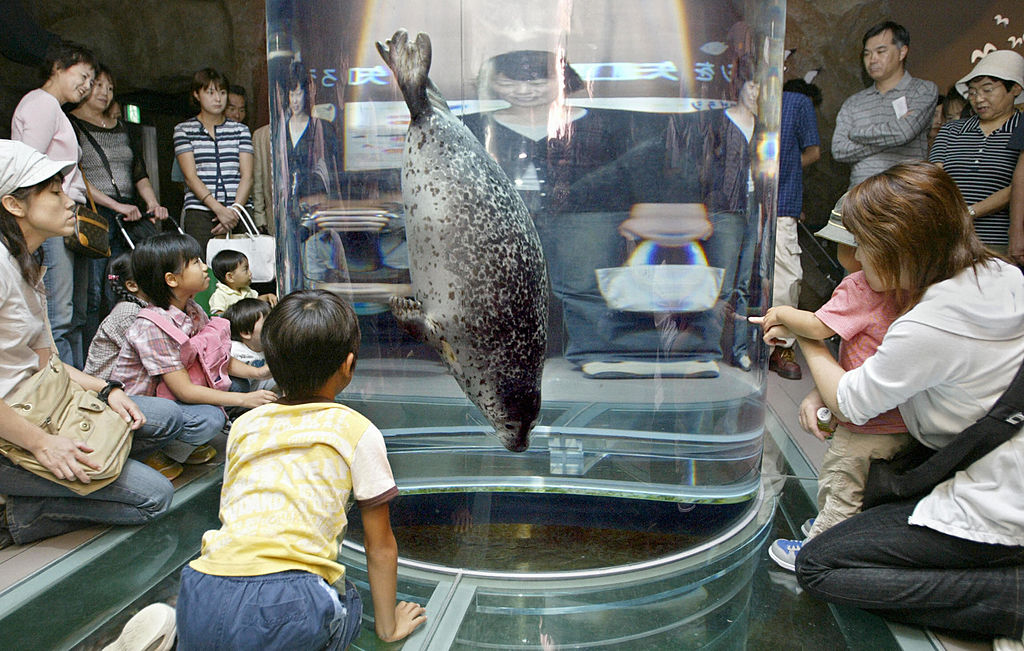
The serene grounds of the world-renowned Asahiyama Zoo in Hokkaido, Japan, became the epicenter of a chilling criminal investigation that stunned the nation. Known for its innovative enclosure designs and commitment to animal welfare, the facility found itself at the center of a gruesome incident when an employee allegedly disposed of his wife’s body using the zoo’s animal incinerator. As we look back on the events that transpired, the case serves as a grim reminder of how private tragedies can intersect with public institutions in the most unexpected ways.
The Discovery: A Crime That Shook Hokkaido
In late April, the local community and the zoo administration were rocked by the arrest of 33-year-old Tatsuya Suzuki. Suzuki, a municipal government employee working at the Asahiyama Zoo, became the focus of a police investigation after his wife was reported missing by family members.
As authorities delved deeper into the disappearance, the investigation took a dark turn. Police discovered human remains within the zoo’s incinerator—a piece of equipment typically reserved for the respectful disposal of deceased animals. The discovery prompted an immediate lockdown of the facility and a swift arrest.
The Confession and Administrative Fallout
According to reports from NHK and other Japanese media, Suzuki did not initially deny the accusations. He allegedly admitted to police that he had transported his 33-year-old wife’s body to the zoo grounds at the end of March and utilized the incinerator to destroy the evidence. The nature of the confession—including the chilling detail that he had threatened to burn the body until nothing remained—left investigators and the public in a state of profound shock.
The administrative fallout for Asahiyama Zoo was immediate. The facility, which was preparing for its highly anticipated summer opening following a three-week maintenance closure, was forced to postpone operations. This delay was not just a logistical hurdle; it was a necessary measure to allow police to conduct a thorough forensic investigation on the grounds.
Asahiyama Zoo: A Legacy of Innovation Under Shadow
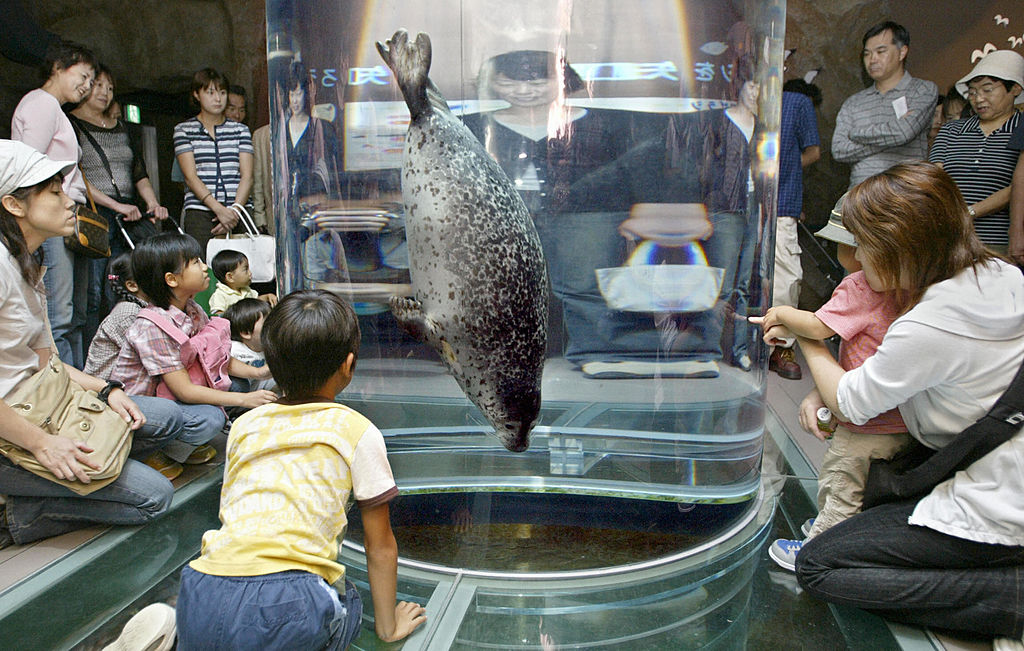
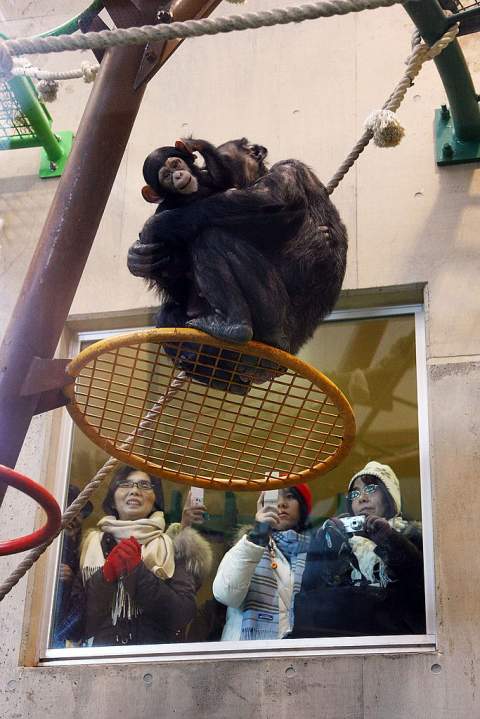
Asahiyama Zoo has long been a crown jewel of Japanese tourism. Located in Asahikawa, it gained global recognition for its “behavioral exhibition” style, which allows visitors to observe animals like polar bears, seals, and penguins in environments that mimic their natural habitats. The use of glass tunnels and overhead cages has made it a pioneer in modern zoo architecture.
However, the incident involving Suzuki cast a long shadow over the park’s reputation. Mayor Hirosuke Imazu, in a public press conference, described the situation as an “unprecedented crisis.” The sentiment among city officials was one of disbelief, as the institution had previously been associated only with conservation, education, and family-friendly entertainment.
Managing Public Perception
Following the incident, the zoo faced the daunting task of restoring public trust. Dealing with the fallout required a delicate balance between cooperating with law enforcement and maintaining the park’s status as a safe, welcoming destination for families.
The administration eventually reopened the gates on May 1, just days after the initial delay. The zoo issued a statement expressing deep regret, acknowledging the “serious incident” involving a city employee. While the facility returned to its regular operations, the memory of the event remains a somber footnote in the zoo’s otherwise celebrated history.
Analyzing the Impact of Workplace Crimes
This case raises complex questions regarding workplace security and the vetting of employees in sensitive positions. When a public facility is used to cover up a heinous crime, it forces institutions to re-evaluate their protocols.
Key Factors in the Investigation:
- Access Control: How an employee gained access to high-temperature disposal equipment outside of standard operating procedures became a primary focus for the Asahikawa municipal government.
- Public Trust: The zoo’s ability to rebound from this scandal was largely due to its strong brand identity, yet the trauma caused by the association with a murder investigation is difficult to quantify.
- Psychological Profiling: The case highlights the unpredictable nature of domestic violence and the “silent” crises that can occur in the lives of otherwise ordinary employees.
Conclusion: Moving Forward from Tragedy
The arrest and subsequent legal proceedings regarding Tatsuya Suzuki provided a grim conclusion to a case that dominated the headlines in Hokkaido. For the residents of Asahikawa and the thousands of tourists who visit the zoo annually, the incident serves as a stark reminder of the fragile line between personal life and professional responsibilities.
As of 2026, Asahiyama Zoo continues to thrive, having successfully moved past the immediate turbulence of that spring. The lessons learned from the security lapses and the administrative response have likely paved the way for stricter oversight in public facilities across Japan. While the stain of the incident will always be part of the zoo’s history, the institution’s commitment to its primary mission—connecting people with the natural world—remains its defining characteristic.
The tragedy in Asahikawa remains a cautionary tale about the importance of mental health awareness, the necessity of rigorous workplace oversight, and the enduring resilience of public institutions in the face of individual malice.