Royal Diplomacy Meets Hardball Politics: Trump Rebuffs King Charles’ NATO Plea Amid New EU Tariff Storm

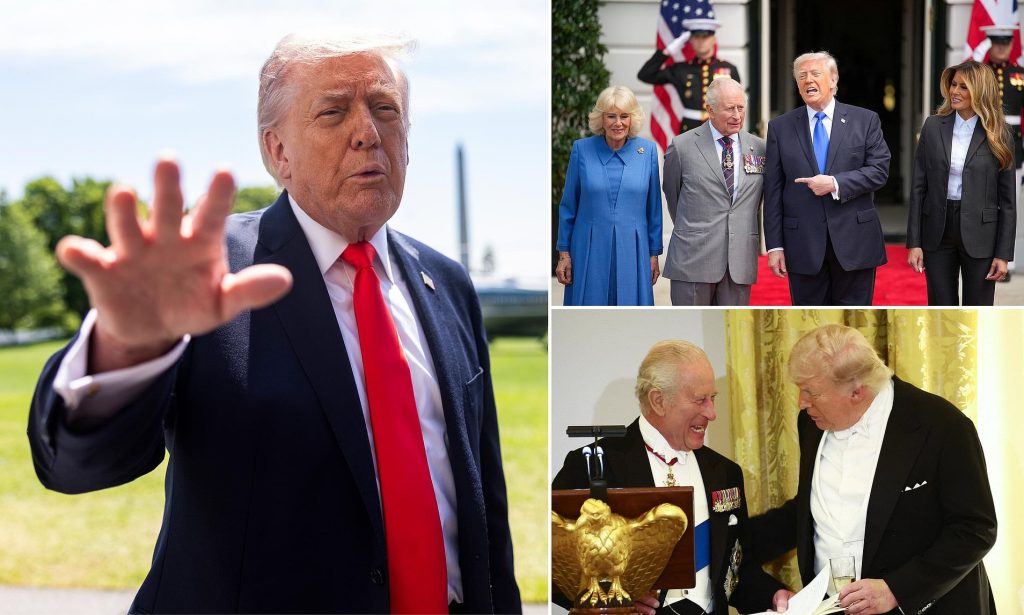
The landscape of international relations in 2026 is proving to be as volatile as it is fast-paced. At the center of the geopolitical storm sits President Donald Trump, whose “America First” doctrine continues to clash with the traditional soft power of European allies. Despite a high-stakes, high-glamour royal visit from King Charles III, the President has made it clear that diplomatic pageantry is no substitute for fiscal policy.
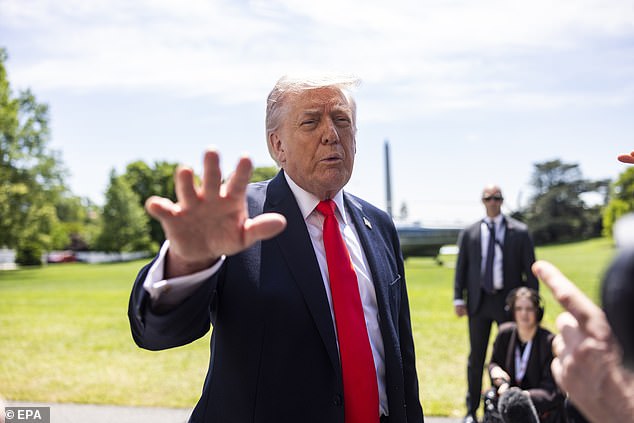
While the King sought to bridge the widening chasm between Washington and the North Atlantic Treaty Organization (NATO), President Trump remained characteristically unmoved. As he prepared to depart the White House for Florida this past Friday, the President offered a blunt “no, no” when asked by reporters if the monarch’s charm offensive had persuaded him to soften his stance on the military alliance.
The Clash of Soft Power and Hard Policy
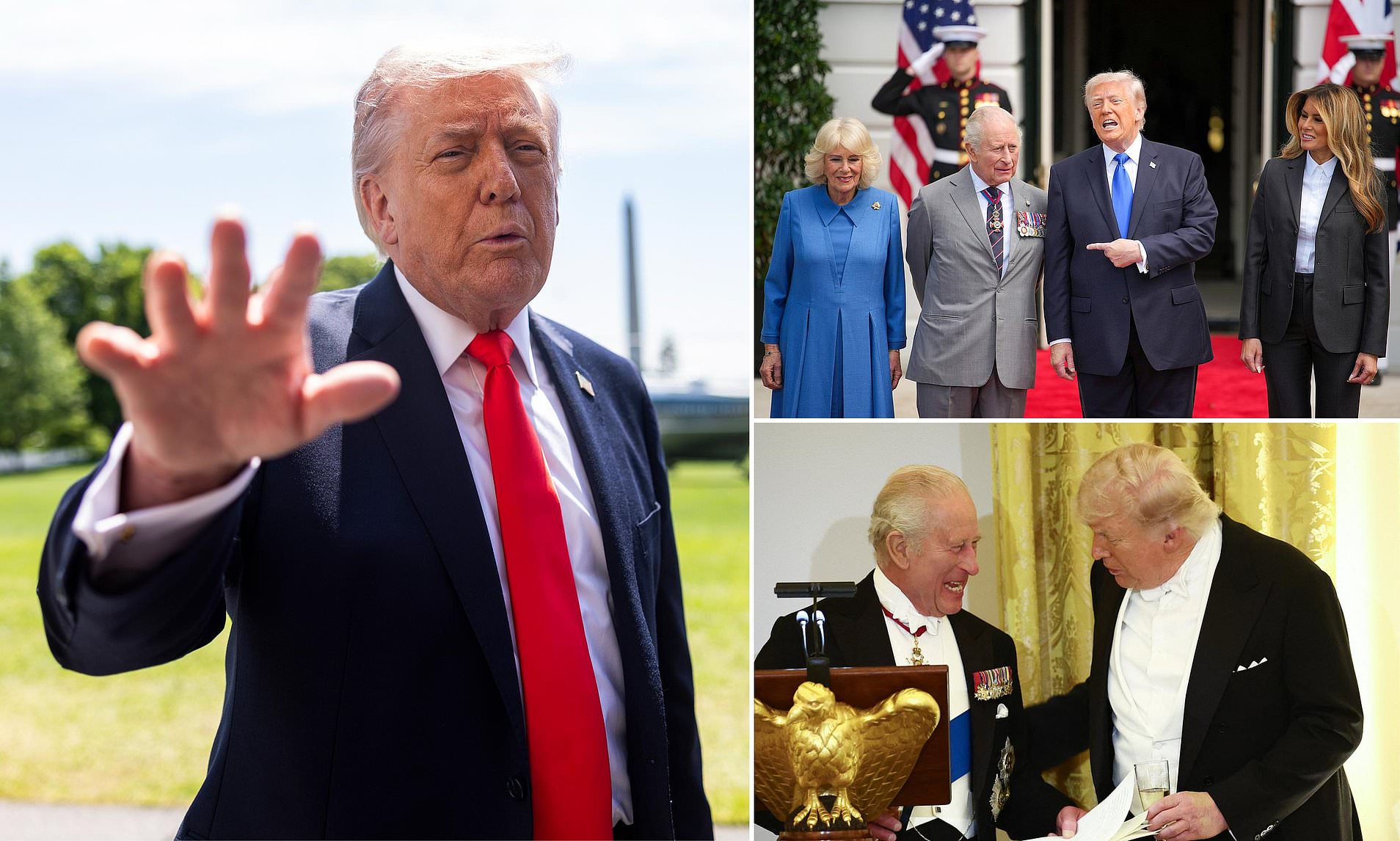
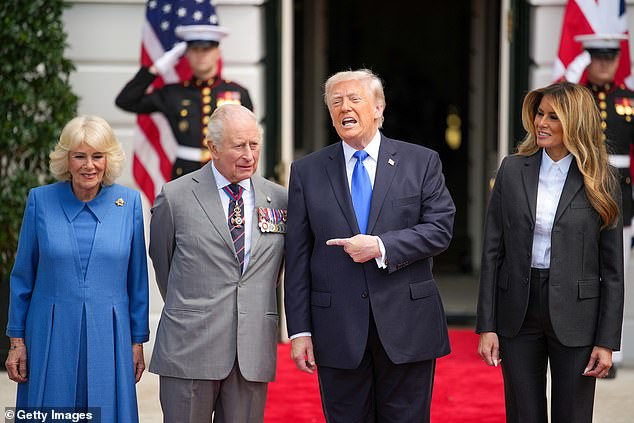
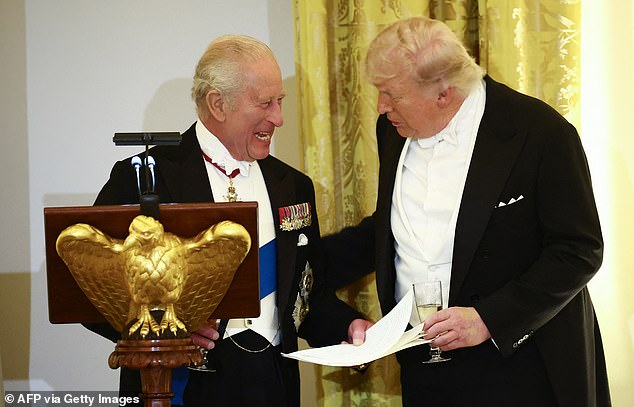
The royal visit was meticulously choreographed to foster goodwill. From a state dinner that transformed the White House East Room into an English garden to the King’s historic address to Congress, every gesture was designed to remind the American leadership of the centuries-old “Special Relationship.” King Charles even employed humor, joking about the 1814 burning of the White House and gifting the President a gold bell from the HMS Trump.
However, beneath the veneer of royal hospitality, the underlying policy disputes remained jagged. The President’s frustration with NATO members—whom he has labeled “cowards” for their perceived lack of support in the ongoing conflict in the Middle East and their failure to adequately patrol the Strait of Hormuz—has reached a boiling point.
Punishing Tariffs: A Financial Cold Shoulder
The timing of the President’s rejection of the King’s plea was particularly stinging. Just as the royal entourage departed, the White House announced a new wave of punishing tariffs on European Union automobiles. This move is set to impact 23 NATO member states, effectively signaling that the President is prioritizing his economic protectionist agenda over the collective security concerns of the Atlantic alliance.
Trump’s rhetoric remains focused on the “burden-sharing” argument. He contends that the US has been left to shoulder the financial and military load for global security while European allies rely on American generosity. His assessment of the Biden administration’s past support for Ukraine—which he characterized as giving away critical inventory without securing financial compensation—serves as the primary justification for his current aggressive stance.
NATO Under Fire: A “Paper Tiger”?
The President’s skepticism toward NATO is not merely a rhetorical flourish; it is a fundamental shift in US foreign policy. By questioning the efficacy of Article 5—the cornerstone of the alliance—Trump has created a climate of uncertainty for European leaders. While King Charles reminded Congress that NATO members stood “shoulder to shoulder” with the US after the 9/11 attacks, the President’s focus remains on current failures rather than past loyalty.
The Ukraine Funding Dilemma
A significant portion of the diplomatic friction stems from the ongoing defense of Ukraine. King Charles used his congressional platform to urge lawmakers to maintain funding, emphasizing that “unyielding resolve” is required to protect the nation. Conversely, President Trump views the previous administration’s financial commitments as a “stupid” drain on American firepower.
During his recent remarks, Trump specifically scrutinized the allocation of $350 billion in aid, arguing that the European Union should have been the primary financier. His insistence that “everybody has to pay” is the drumbeat to which his administration’s trade policy is marching.
The Limits of Royal Charm
While the King succeeded in winning the President’s personal favor—Trump praised him as a “high-quality person” and lauded his ability to command the attention of Congress—that personal rapport did not translate into policy concessions. In the world of 2026 politics, the President distinguishes sharply between individual character and institutional obligations.
Key Takeaways from the Diplomatic Stand-off:
- Diplomacy vs. Deal-making: The King’s charm offensive was aimed at diplomatic unity, while the President remains focused on transactional deal-making.
- Economic Retaliation: The imposition of auto tariffs on EU nations demonstrates that the US is willing to leverage trade to force changes in alliance spending.
- The “America First” Pivot: The shift away from traditional multilateralism is now firmly entrenched, with the President showing little interest in returning to pre-2026 norms regarding NATO funding.
Conclusion: A New Era for Transatlantic Relations
The encounter between Donald Trump and King Charles III serves as a microcosm of the current global order. It highlights a world where established diplomatic protocols are increasingly being challenged by populist-driven, nationalist economic strategies. While the King’s visit was intended to mend rifts and reset the relationship, it instead served to highlight the vast ideological gap between the traditional European establishment and the current US administration.
As the US proceeds with its “Operation Epic Fury” and maintains its firm stance on NATO contributions, the European Union finds itself at a crossroads. The combination of military demands and economic sanctions suggests that the “Special Relationship” is being redefined in real-time. For now, the message from the White House is clear: the era of unconditional US support for the status quo is over, and Europe must prepare for a future where security and trade are inextricably linked to the bottom line.