Trade Tensions Escalate: EU Officials Slam Trump’s New 25% Tariff Threat on Vehicles

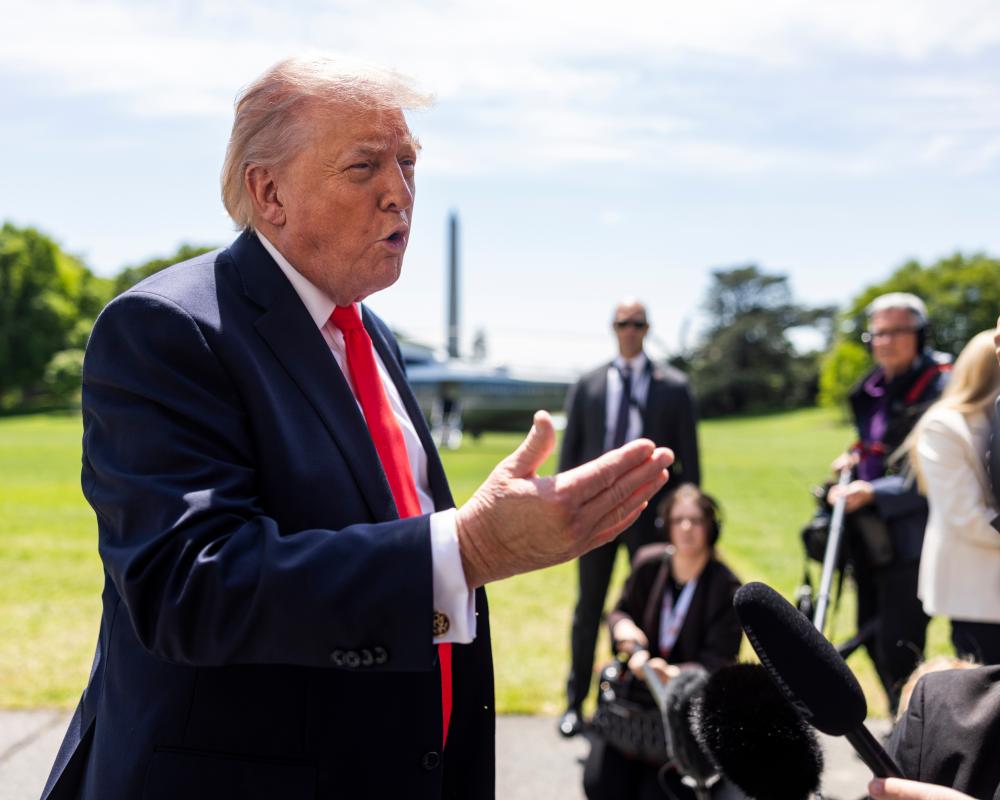
The global economic landscape faces renewed instability as U.S. President Donald Trump announced a significant escalation in trade hostilities with the European Union. In a move that has sent shockwaves through international markets, the President declared that the United States will impose a 25% tariff on cars and trucks imported from the EU. This decision, justified by the White House as a response to the bloc’s alleged non-compliance with existing trade agreements, has been met with fierce resistance from Brussels.
Bernd Lange, chairman of the European Parliament’s trade committee, did not mince words, labeling the administration’s behavior as “unacceptable.” This latest development marks a dangerous pivot in transatlantic relations, signaling that the delicate truce established in August 2025—which had previously lowered duties to 15%—has effectively collapsed.
The Core of the Dispute: Compliance and Protectionism
The Trump administration’s rationale for the 25% levy centers on the assertion that European nations have failed to uphold their end of the automotive trade deal. White House officials argue that despite an eight-month window, the EU has not adequately adjusted its internal frameworks to match the terms negotiated last summer.
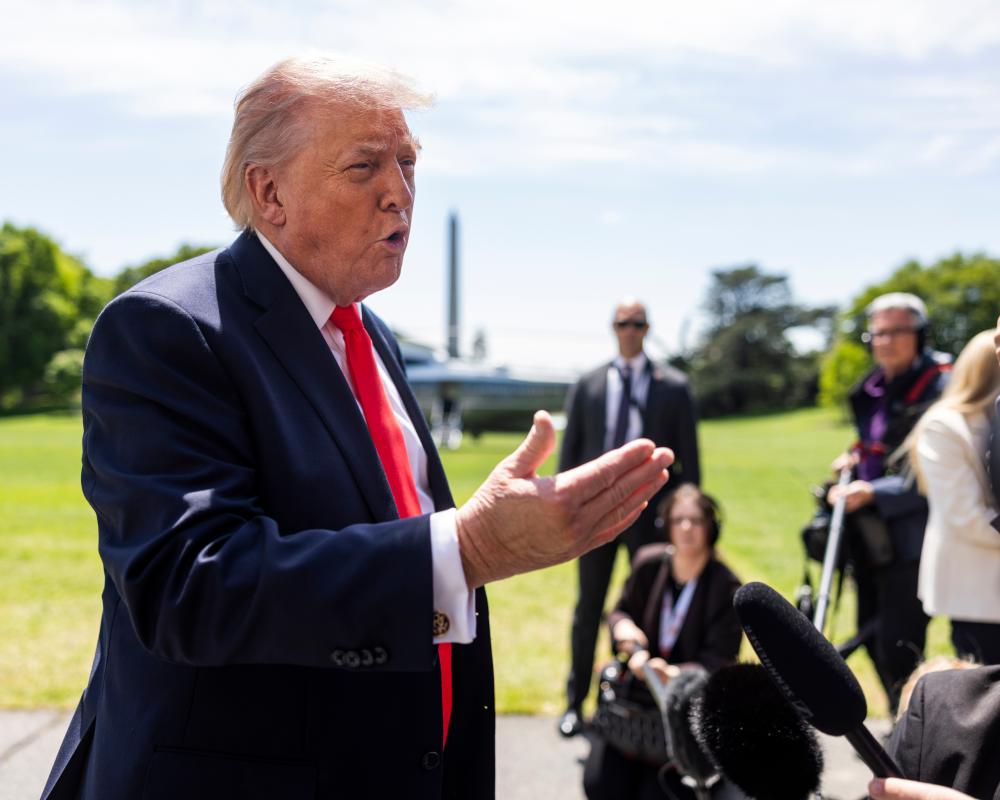
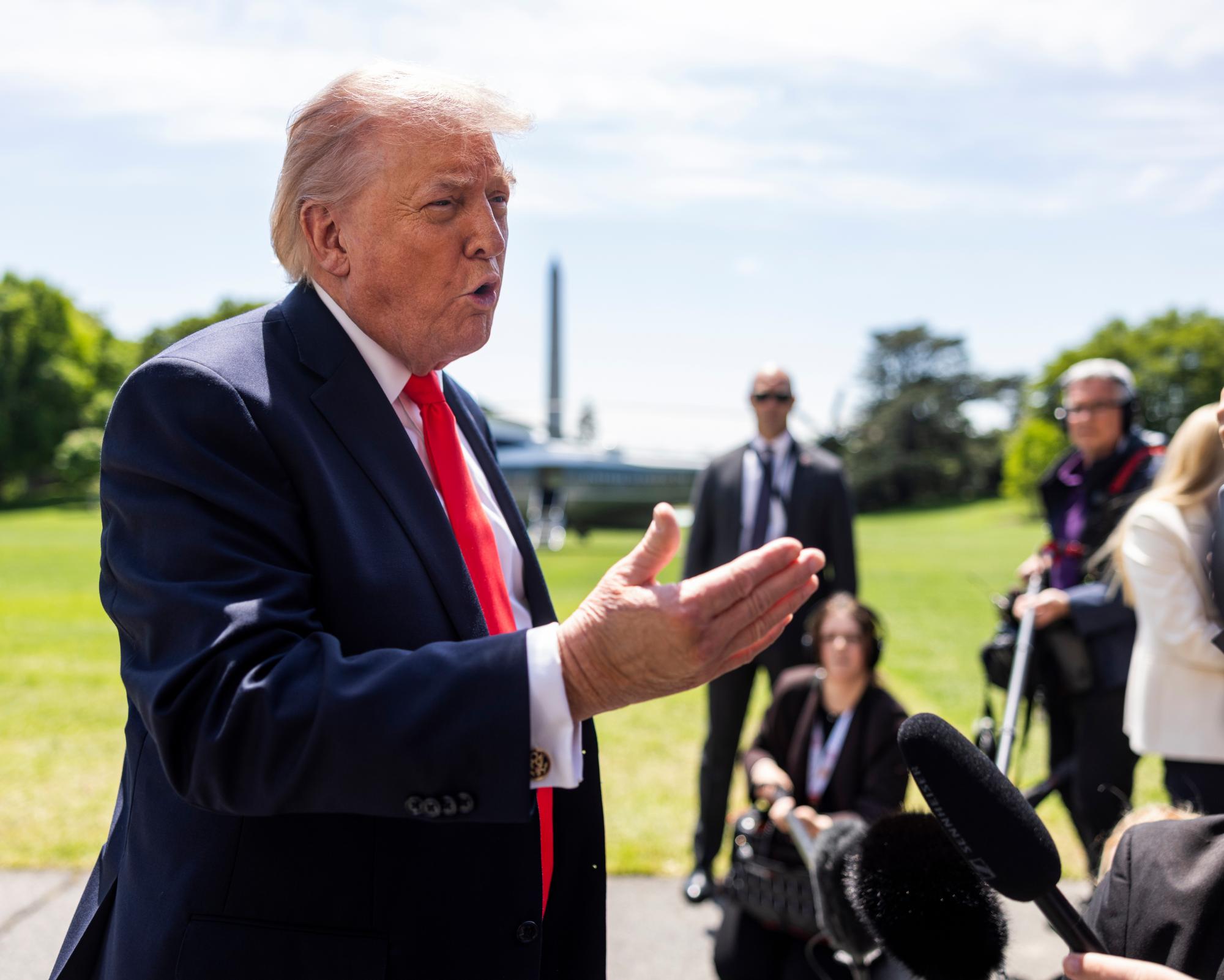
President Trump, speaking to reporters outside the White House, framed the tariff as a necessary tool to force domestic production. “We have a trade deal with the European Union. They were not adhering to it,” Trump stated. “So I raised the tariffs on cars and trucks to 25%—that’s billions of dollars coming into the United States, and it forces them to move their factory production much faster.”
The “Build in America” Ultimatum
A key component of the President’s strategy is the explicit exemption for manufacturers who localize production. By stating that there will be “NO TARIFF” for vehicles produced within U.S.-based plants, the administration is effectively using trade policy as an industrial policy lever. With over $100 billion in automotive manufacturing investments currently underway in the United States, the White House is betting that foreign automakers will prioritize the American market by shifting their supply chains stateside rather than absorbing the massive cost increase.
EU Response: A Pattern of Unreliable Diplomacy
The reaction from European leadership has been one of profound frustration. For officials like Bernd Lange, the tariff threat is not an isolated incident but part of a broader, troubling trend in U.S. foreign and economic policy. The reference to the “Greenland incident”—a period of diplomatic friction during the administration’s earlier years—highlights a growing perception in Europe that the United States is becoming an increasingly unpredictable trade partner.
The EU is currently navigating a complex legislative process to finalize the tariff reductions initially agreed upon last year. With the process not expected to conclude until June 2026, the sudden imposition of higher duties threatens to derail months of delicate negotiations. EU lawmakers argue that such unilateral actions undermine the rule-based international order and violate the spirit of partnership that has defined the transatlantic alliance for decades.
Broader Geopolitical Context: A Strained 2026
This trade dispute occurs against a backdrop of intense geopolitical pressure. The Trump administration is currently managing a contentious and ongoing conflict in the Middle East, with the U.S. military maintaining a presence in the region despite the President’s recent controversial claims that the war with Iran has been “terminated.”
Internal U.S. Political Friction
The atmosphere in Washington is equally charged. Senate Democrats, led by Chuck Schumer, have publicly challenged the President’s narrative regarding the status of the war in Iran, using the term “bullshit” to describe the claim that hostilities have ceased while the Strait of Hormuz remains effectively blockaded. This domestic discord, combined with the administrative challenges regarding the War Powers Act and the ongoing 2026 midterm election cycle, suggests that trade policy is being used as a distraction or a rallying cry for the administration’s base.
The Tech Regulation Front
Beyond automobiles, the U.S.-EU relationship is suffering from friction over digital trade regulations. The European Union’s recent rulings against U.S. tech giants like Apple and Google, combined with the decision to fine Elon Musk’s X for digital law violations, have drawn sharp condemnation from Washington. House Judiciary Chair Jim Jordan has already characterized these EU actions as an “attack on all American tech platforms,” suggesting that the tariff war on cars may be just one front in a much larger, multi-dimensional trade conflict.
Economic Implications for the Future
The economic stakes of these 25% tariffs are immense. For the European automotive industry, the U.S. market represents a vital source of revenue. A sudden increase in costs will inevitably lead to higher prices for American consumers or reduced profit margins for German, Italian, and Spanish manufacturers.
- Supply Chain Disruption: Companies that have spent years building global supply networks may be forced to reorganize their logistics in a matter of months.
- Inflationary Pressure: Economists warn that these tariffs, combined with rising fuel costs due to the ongoing instability in the Persian Gulf, could keep inflation higher for longer in the United States.
- Retaliation Risks: History suggests that the EU will not accept these tariffs without a response. Potential retaliatory measures could target U.S. industrial exports, further escalating the cycle of protectionism.
Conclusion: A Turning Point for Transatlantic Ties
As we move further into 2026, the relationship between Washington and Brussels stands at a critical juncture. President Trump’s “America First” trade strategy, characterized by the aggressive use of tariffs and a disregard for established diplomatic timelines, is fundamentally reshaping the global economic order. Whether this pressure tactics results in a more robust U.S. manufacturing sector or a permanent fracturing of the transatlantic alliance remains to be seen. What is clear is that the era of predictable trade relations between these two global powerhouses is currently in a state of deep, structural uncertainty.