The End of an Era: Spirit Airlines Ceases Operations After 34 Years

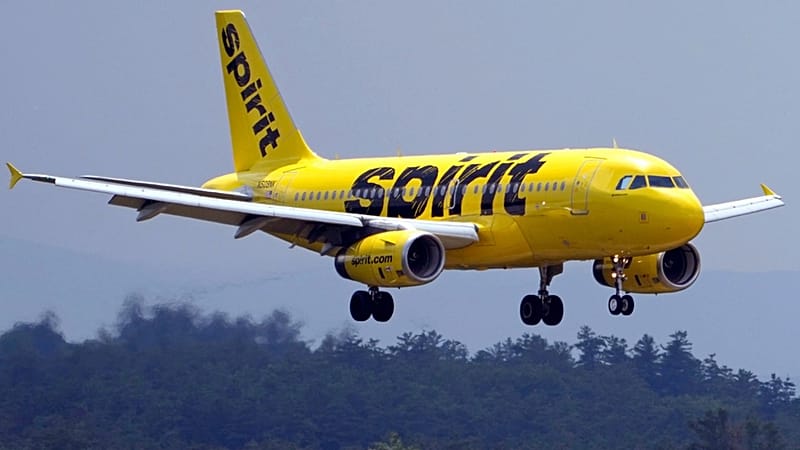
The skies over the United States look a little less yellow today. In a move that has sent shockwaves through the aviation industry, Spirit Airlines has officially announced it is going out of business, ending a 34-year tenure as the nation’s most prominent ultra-low-cost carrier. Effective immediately as of May 2, 2026, the airline has suspended all operations, leaving thousands of passengers stranded and marking a definitive end to one of the most controversial yet influential business models in travel history.
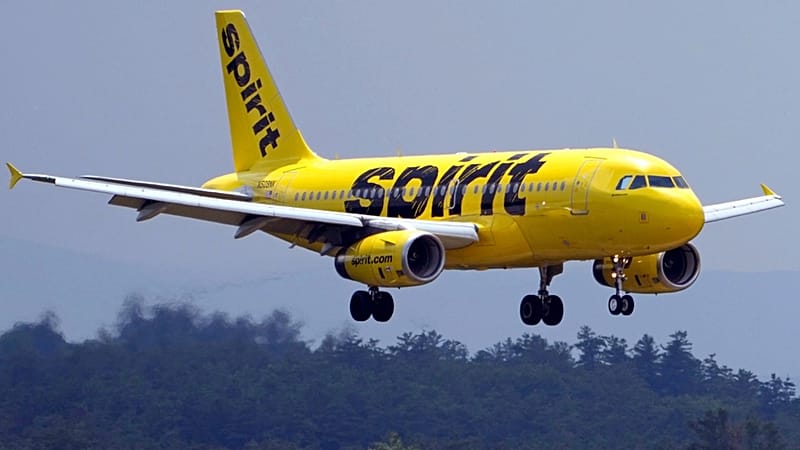
For over three decades, Spirit was the “impish upstart” of the skies. Known for its bright yellow livery and an irreverent marketing strategy that prioritized rock-bottom fares over traditional amenities, the airline forced a paradigm shift in how Americans fly. However, the final chapter for the carrier was written in a series of financial failures, failed government bailouts, and an insurmountable debt load that proved too heavy to carry in an era of soaring operational costs.
The Final Descent: Why Spirit Airlines Collapsed
The collapse of Spirit Airlines was not an overnight tragedy, but rather the culmination of years of fiscal instability. While the COVID-19 pandemic served as the initial catalyst, the airline struggled to find its footing as the industry landscape shifted. Since 2020, the carrier had accumulated more than $2.5 billion in losses, creating a financial deficit that became increasingly difficult to bridge.
A History of Financial Turbulence
Spirit’s journey toward liquidation accelerated significantly over the last two years. By November 2024, the airline was forced to file for Chapter 11 bankruptcy protection to restructure its overwhelming debt. Despite attempts to pivot and stabilize, the company found itself back in bankruptcy court by August 2025. At that time, court filings painted a grim picture: $8.1 billion in total debt against $8.6 billion in assets.
The final blow came from a combination of factors:
Rising Fuel Prices: The ongoing conflict in Iran significantly spiked global jet fuel prices, drastically increasing the operating costs for a carrier whose business model relied on razor-thin margins.
Operational Debt: With billions in liabilities, the airline could no longer service its debt while simultaneously maintaining its fleet and daily operations.
- Market Competition: As major legacy carriers began offering “basic economy” fares to compete with low-cost rivals, Spirit’s competitive advantage of being the “cheapest option” began to erode.
The Failed Last-Minute Rescue Attempt
In the days leading up to the shutdown, there was a flicker of hope for the 17,000 employees of Spirit Airlines. The White House, under the administration of President Donald Trump, entered into high-stakes negotiations to facilitate a taxpayer-funded rescue package.
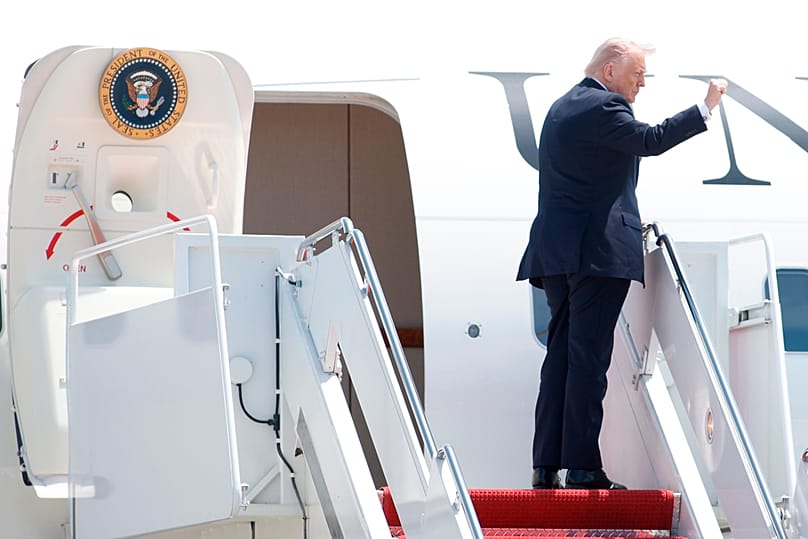
On Friday, May 1, 2026, President Trump revealed that his administration had presented a “final proposal” for a government-backed takeover to prevent the carrier from entering full liquidation. However, the deal collapsed when bondholders and the airline’s leadership failed to reach an agreement. Without the necessary capital injection, Spirit had no choice but to initiate an orderly wind-down of its operations, canceling all flights and ceasing customer service functions immediately.
Impact on Travelers and the Aviation Industry
The sudden closure of Spirit Airlines is expected to have a significant ripple effect on the US travel market. For passengers, the immediate reality is one of chaos. Spirit has advised customers that while refunds will be processed, there is no mechanism in place to rebook passengers on other airlines. This leaves travelers in key hubs—particularly Las Vegas, Fort Lauderdale, and Orlando—scrambling to find alternative transportation during the busy spring travel season.
Reduced Competition and Higher Fares
Labor unions representing pilots, flight attendants, and ramp workers have expressed profound disappointment, noting that the collapse will result in the loss of 17,000 jobs. Beyond the human cost, analysts warn that the removal of Spirit from the market will likely lead to:
- Increased Airfares: With less competition on high-traffic, budget-friendly routes, legacy carriers may increase prices, knowing that the primary low-cost alternative is gone.
- Reduced Accessibility: Many smaller cities that relied on Spirit for affordable connectivity may see a decrease in flight frequency, potentially isolating some regional markets.
A Legacy of Disruption
While the end for Spirit was abrupt and painful, it is impossible to ignore the impact the airline had on the industry. When Spirit first introduced its “ultra-low-cost” model, it was mocked by competitors. Over time, however, it forced the entire industry to adapt. The unbundling of services—where passengers pay for seats, bags, and snacks separately—became a standard industry practice, largely because of the pressure Spirit exerted on the market.
Whether you loved the “yellow planes” for their affordability or loathed the strict baggage policies, Spirit Airlines undeniably changed the way Americans traveled. As the company shutters its doors after 34 years, it leaves behind a complex legacy of innovation, aggressive growth, and ultimately, a cautionary tale about the volatility of the modern airline industry.
What Should Former Spirit Customers Do Now?
If you held a ticket for a future Spirit Airlines flight, the company has stated that you should monitor their official website for updates regarding the refund process. However, because customer service channels have been deactivated, many experts suggest that travelers should contact their credit card companies to initiate a chargeback for services not rendered. Travelers are strongly advised to secure alternative transportation immediately, as there will be no assistance provided by the defunct carrier to transition passengers to other airlines.