Spirit Airlines Ceases Operations: The High Cost of Global Conflict on Budget Travel

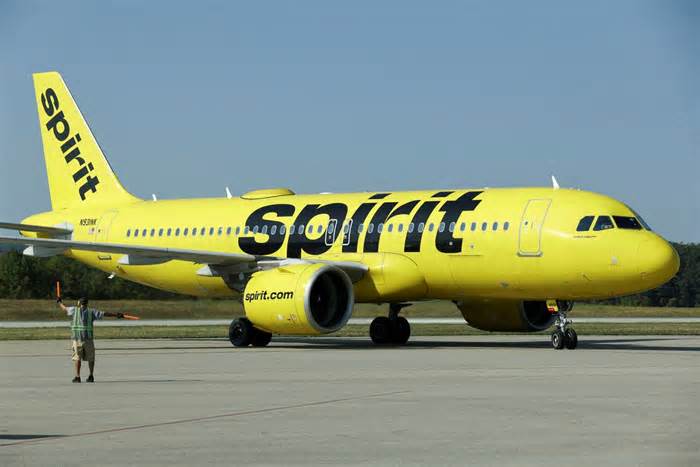
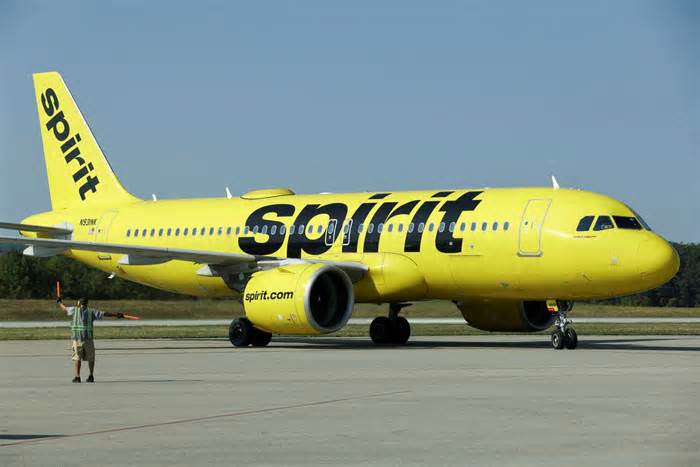
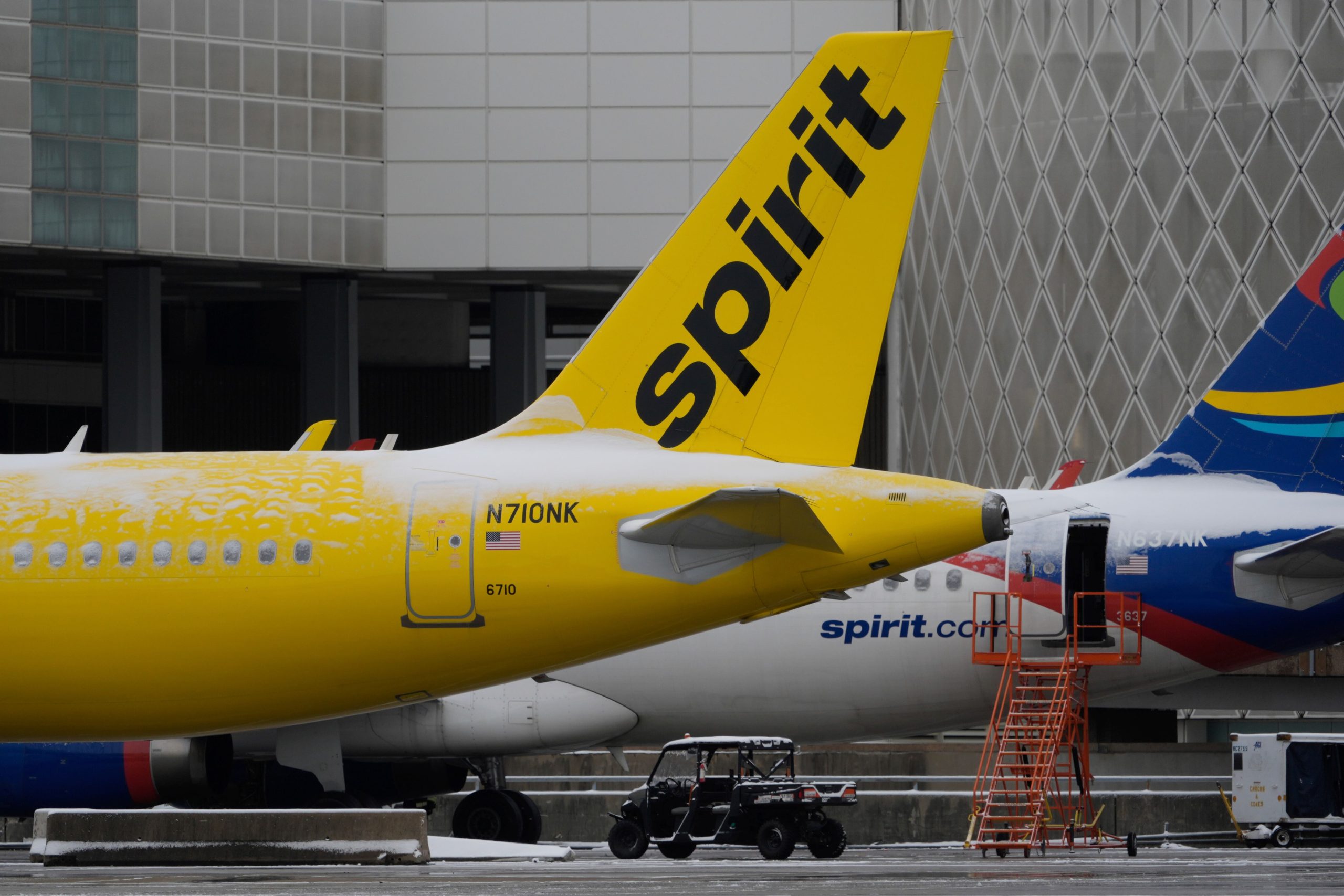
The era of ultra-low-cost travel in the United States has hit a definitive, somber milestone. Spirit Airlines, once a titan of the budget skies known for its signature yellow livery and “bare fare” pricing model, has officially ceased all operations. This sudden shutdown marks the end of a 34-year legacy and stands as the first major corporate casualty directly linked to the economic fallout of the conflict in Iran.
For millions of travelers, the news came as a jarring wake-up call. With flights grounded effective immediately, the airline’s collapse has triggered a logistical crisis across American airports, leaving passengers stranded and thousands of employees facing an uncertain professional future.
The Perfect Storm: Why Spirit Airlines Collapsed
While Spirit Airlines had been navigating a turbulent financial landscape for years—having filed for bankruptcy twice since 2024—the primary catalyst for this final shutdown was a lethal combination of debt and skyrocketing operational costs.
The Iran War and Jet Fuel Inflation
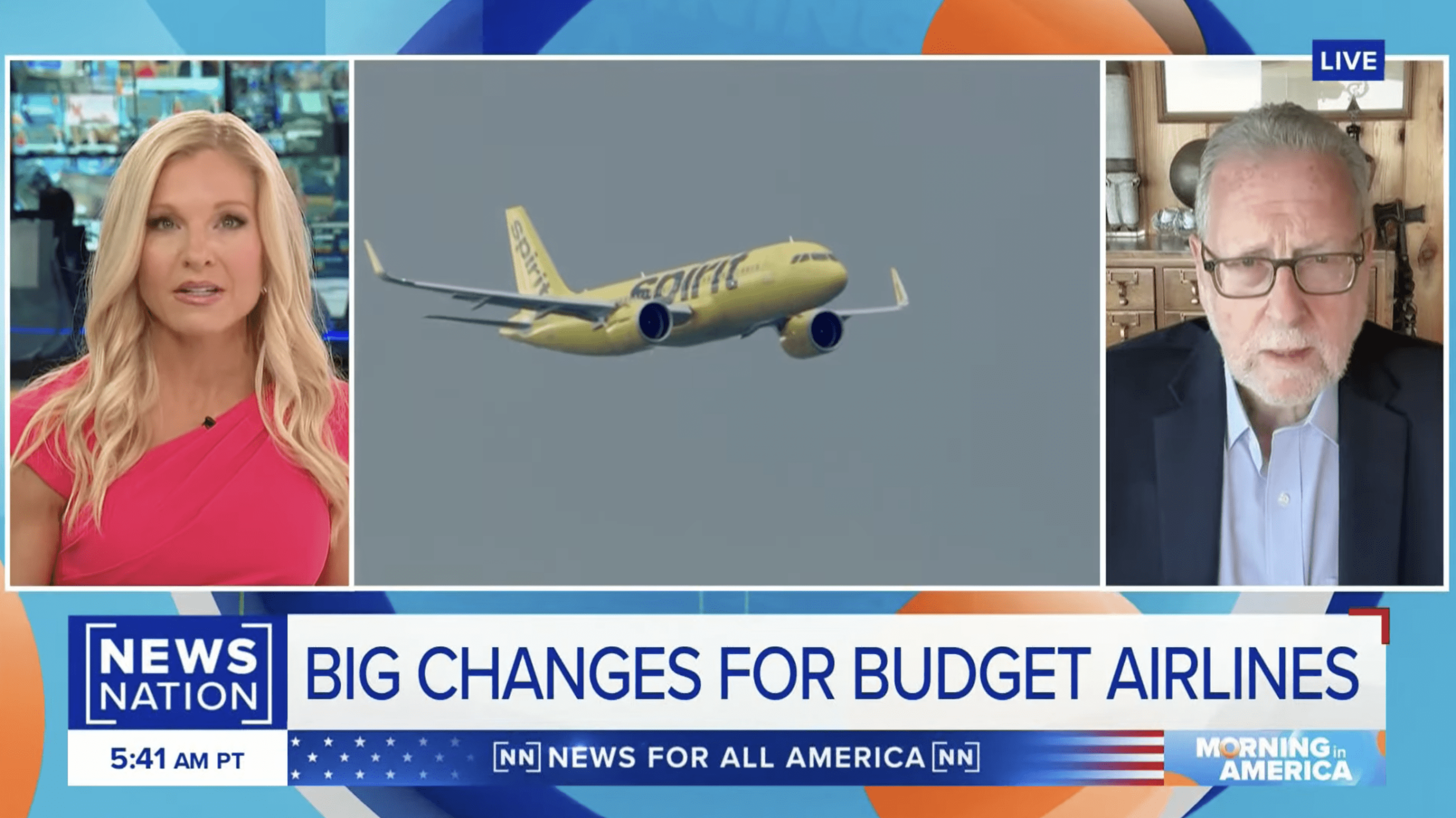
The airline industry is notoriously sensitive to oil prices, and the ongoing war in Iran has sent global energy markets into a tailspin. In its official statement, Spirit cited an 80% surge in jet fuel prices since the onset of the conflict. For a company operating on thin margins, this price volatility made profitability mathematically impossible.
The Failed Government Bailout
In a last-ditch effort to keep the carrier aloft, the Trump administration attempted to facilitate a $500 million government bailout. However, the proposal faced fierce bipartisan resistance in Congress. Lawmakers were unwilling to utilize taxpayer funds to rescue an entity that was already struggling with over $8 billion in debt. Transportation Secretary Sean Duffy confirmed that despite “creative thinking” and significant effort from the administration, no viable deal could be reached.
A Legacy of Financial Struggle
Spirit’s demise didn’t happen overnight. It was the culmination of years of structural challenges that left the carrier vulnerable to even minor market shifts.
The Failed JetBlue Merger: Many industry analysts, including Secretary Duffy, point to the government’s decision to block the proposed Spirit-JetBlue merger two years ago as a critical turning point. That consolidation could have provided the liquidity and infrastructure necessary to weather the current economic climate.
Persistent Debt: By August 2025, the airline was drowning in more than $8 billion in debt. Even with restructuring efforts, the carrier lacked the hundreds of millions in liquidity required to sustain daily operations under current fuel price projections.
<img alt="Spirit Airlines bankruptcy – by L. Bob Rife" src="https://substackcdn.com/image/fetch/fauto,qauto:good,flprogressive:steep/https://substack-post-media.s3.amazonaws.com/public/images/635005c7-547a-46b1-ad2a-66bb7ad4d2821125×2184.jpeg” style=”max-width:100%; height:auto; border-radius:8px; margin: 1rem 0;” />
Impact on Passengers and Employees
The human cost of this shutdown is immense. Approximately 17,000 employees are now out of work, and thousands of travelers are currently dealing with the fallout of canceled flights.
Advice for Stranded Passengers
If you are holding a ticket for a future Spirit flight, the airline’s official guidance is clear: do not go to the airport. With ground operations suspended and customer service centers shuttered, there is no staff available to assist with rebooking.
Refunds: Passengers who booked directly with Spirit are being told that refunds will be issued, though the timeline remains unclear.
Third-party bookings: Those who booked through travel agencies or third-party websites should contact those platforms immediately to seek alternative arrangements.
- Industry Support: In a rare show of industry solidarity, other major U.S. carriers have agreed to cap ticket prices and offer reduced fares on high-volume routes previously served by Spirit to help displaced travelers reach their destinations.
The Future of Low-Cost Travel
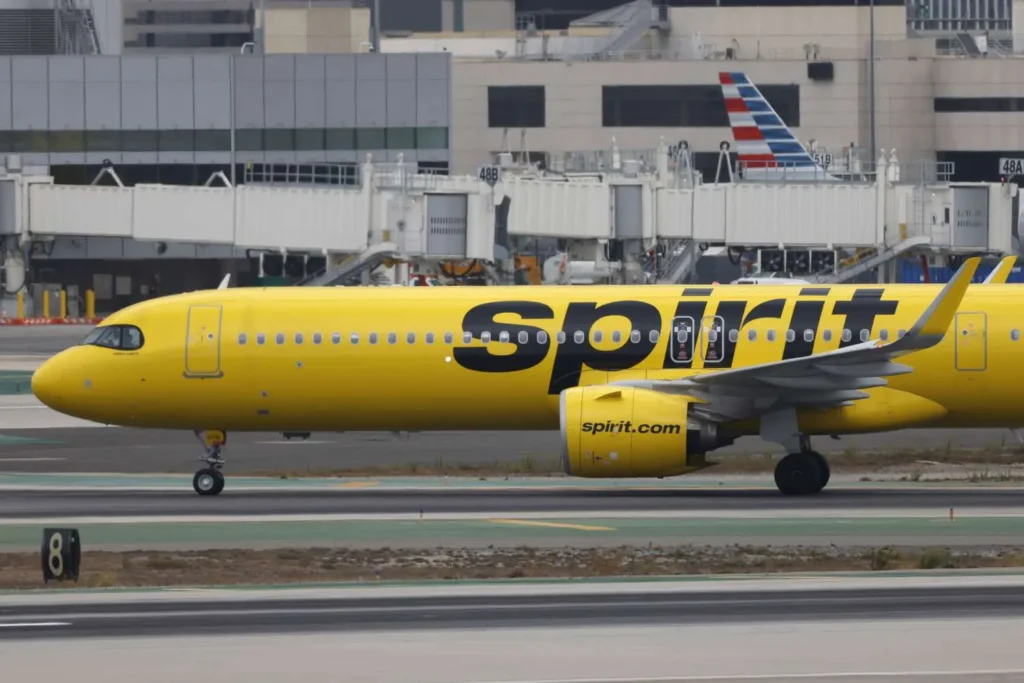
The disappearance of Spirit Airlines from the U.S. aviation landscape will likely lead to a contraction in the ultra-low-cost carrier (ULCC) market. As fuel prices remain elevated due to geopolitical instability in the Middle East, other budget airlines may find themselves under similar pressure.
Secretary Duffy has emphasized that the Department of Transportation is actively working to assist former Spirit employees. This includes providing logistical support to those stranded far from home and coordinating with other airlines to provide preferential access to job interviews, ensuring that the talented workforce behind the yellow planes can find new opportunities in an evolving market.
Conclusion: Lessons from the Grounding
Spirit Airlines’ shutdown serves as a stark reminder of the fragility of the airline industry in the face of global conflict. While the airline revolutionized the industry by making air travel accessible to millions, it ultimately could not survive the combined pressures of a post-pandemic economic hangover and the volatile fuel costs associated with the war in Iran.
As the industry moves forward, the focus shifts to the resilience of the remaining carriers and the long-term impact on ticket prices for American consumers. For now, the red cancellation boards at airports serve as a final, visual testament to the end of a unique chapter in aviation history.