Spirit Airlines Ceases Operations: What Stranded Passengers Need to Know Now

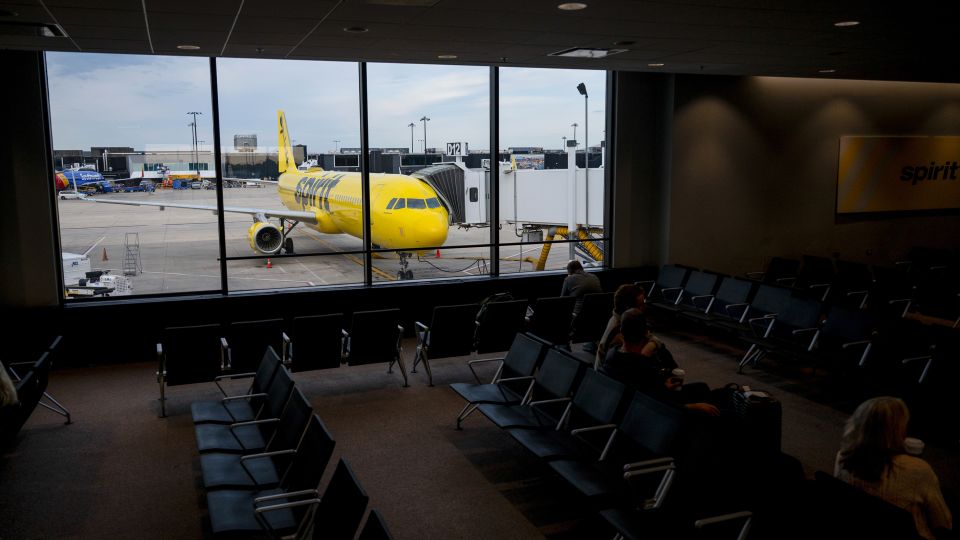
The aviation industry witnessed a historic turning point on May 2, 2026. After 34 years of operation, Spirit Airlines has officially ceased all flight operations, leaving thousands of travelers stranded at airports across the United States. For a carrier that spent decades democratizing air travel through its ultra-low-cost model, the sudden collapse marks the first time in 25 years that a major U.S. airline has shuttered due to terminal financial distress.
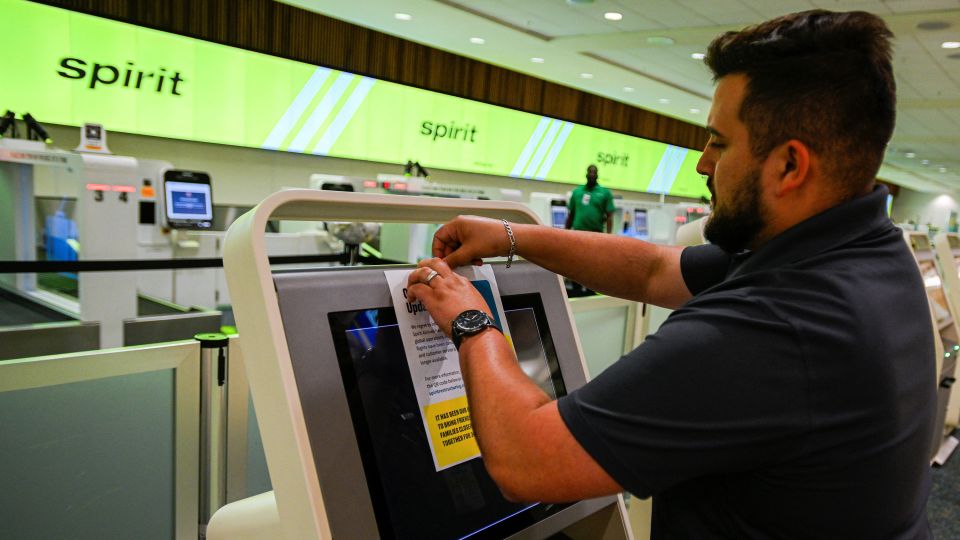
For passengers, the news was jarring. From LaGuardia to Orlando, travelers arrived at check-in counters only to find empty kiosks and makeshift signs announcing the permanent closure. As the industry grapples with this massive disruption, here is everything you need to know about navigating the fallout.
The Collapse: Why Spirit Airlines Shut Down
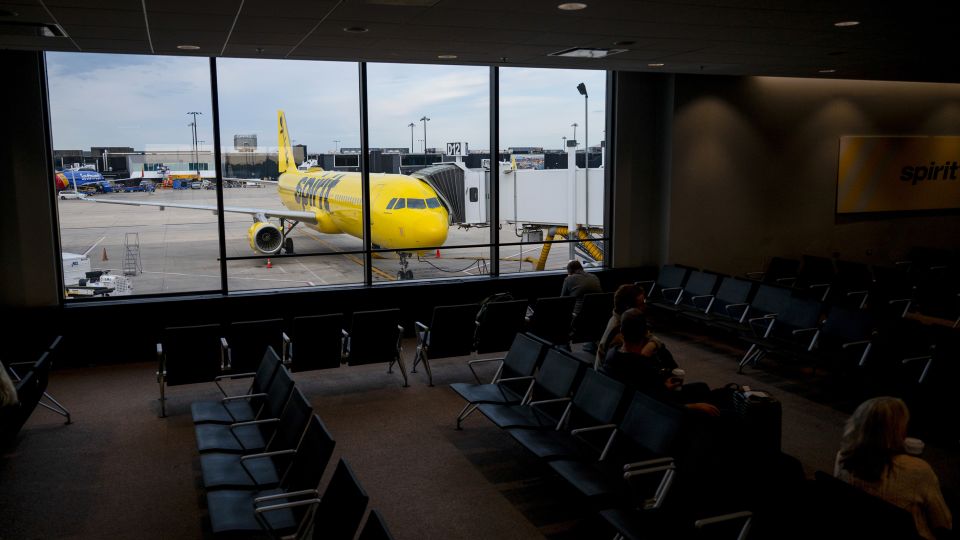
Spirit Airlines had been navigating a turbulent flight path for years. Following a second bankruptcy in just two years, the airline attempted to secure a critical $500 million federal bailout to survive the current economic climate. However, after talks with the federal government collapsed, the carrier was forced to initiate an immediate wind-down.
Industry analysts point to a confluence of factors that made this collapse inevitable. Beyond the long-term struggle to maintain profitability, the soaring cost of jet fuel—exacerbated by the ongoing conflict in Iran—created a financial burden that the budget carrier could no longer sustain. With the failure of the 11th-hour rescue deal, the airline’s leadership had no choice but to ground their fleet permanently.
Immediate Steps for Stranded Passengers
If you held a ticket for a future Spirit flight, your travel plans have been effectively nullified. Because the airline has ceased all customer service operations, you should not head to the airport. Instead, focus on these recovery steps:
- Seek Automatic Refunds: Spirit has stated that it will issue automatic refunds for canceled tickets. If you do not see a credit within a reasonable timeframe, contact your financial institution.
- Initiate Chargebacks: If a refund is not processed, contact your credit card issuer to file a dispute or chargeback for services not rendered.
- Check Travel Insurance: If you purchased third-party travel insurance, reach out to your provider immediately. Many policies cover “airline insolvency,” which may help recover non-refundable expenses like hotels or event tickets.
- Monitor Official Communications: While the airline’s own support lines are down, the U.S. Department of Transportation is coordinating with other carriers to assist affected passengers.
How Other Airlines Are Responding
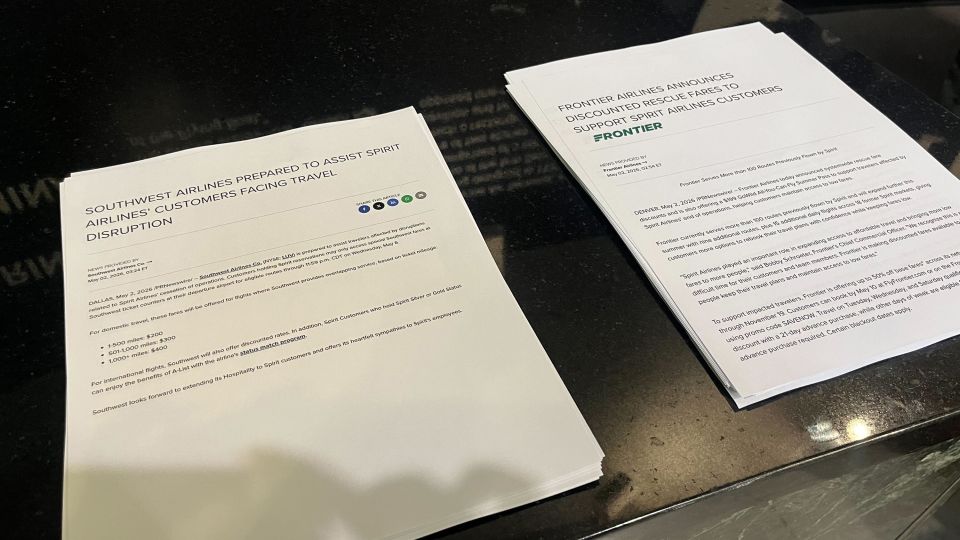
In the wake of the news, the aviation community has moved quickly to minimize the chaos. Major carriers, including Frontier, Southwest, American, and United, have stepped in to offer relief to stranded travelers.
Rescue Fares and Rebooking
Many airlines are offering “rescue fares,” typically capped around $200, to help get displaced passengers to their final destinations. If you are stuck at an airport, look for signage or digital kiosks—most major airlines have established help desks or provided online portals specifically for Spirit customers.
Delta Air Lines and JetBlue: Both have implemented capped pricing structures for passengers impacted by the shutdown.
Employment Support: Recognizing the human cost of the collapse, airlines like American and United have opened dedicated job portals for former Spirit employees, offering preferential interviews to ensure these workers can transition into new roles quickly.
The Human Impact: Beyond the Bottom Line
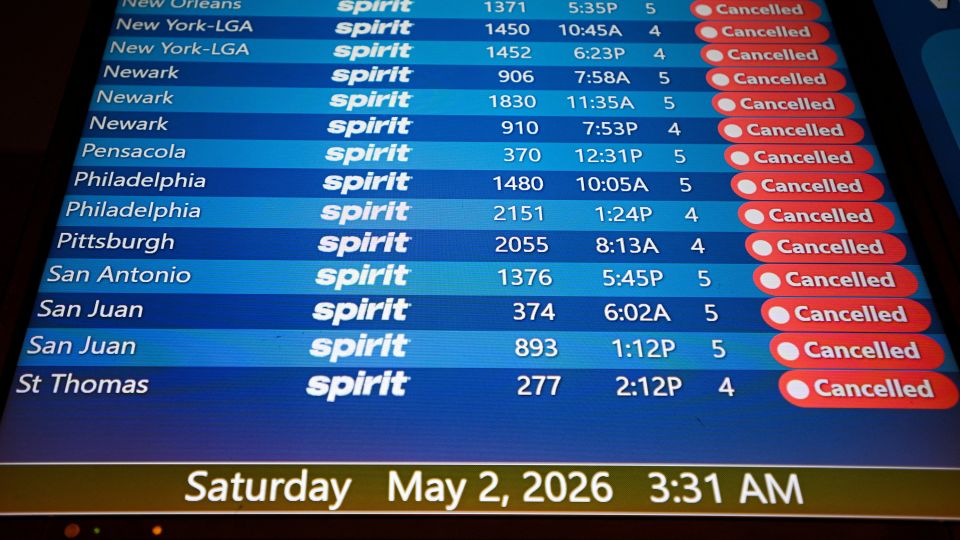
The shutdown is more than a logistical nightmare; it is a profound disruption for families and professionals. At airports like LaGuardia, the scene was one of confusion and heartbreak. Passengers headed to funerals, graduations, and long-awaited vacations found themselves staring at red-lettered “Cancelled” screens with no staff present to provide answers.
The Association of Flight Attendants released a poignant statement to their members, noting that while the public often made Spirit the “butt of the joke,” the employees formed a resilient, tight-knit family. As these professionals are sent home, the industry is working to ensure they receive the support they need to navigate this sudden unemployment.
Government Response and Future Oversight
U.S. Transportation Secretary Sean Duffy has been active on social media and in official briefings, assuring the public that the federal government is coordinating with major carriers to ease the transition. The government’s focus is two-fold: ensuring stranded passengers get home and providing a safety net for the 17,000 employees suddenly out of work.
Secretary Duffy emphasized that passengers should utilize all available legal avenues for recovery, including bankruptcy claims if necessary. The collapse of such a significant player in the low-cost market will undoubtedly lead to a restructuring of domestic flight paths and potentially higher airfares as the market recalibrates.
Final Advice for Travelers
The demise of Spirit Airlines is a stark reminder of the volatility in the current travel sector. If you have upcoming travel, check your flight status immediately—not through the defunct Spirit website, but through third-party flight trackers.
If you were a frequent flyer with Spirit, check your loyalty program status. While the airline has shut down, some of your points or miles may hold residual value, or other airlines may offer “status match” programs to win your future business. Stay patient, keep your receipts, and prioritize booking through major, stable carriers for the immediate future.