Why Cruising Remains the World’s Favorite Vacation: Convenience Outweighs Risk in 2026

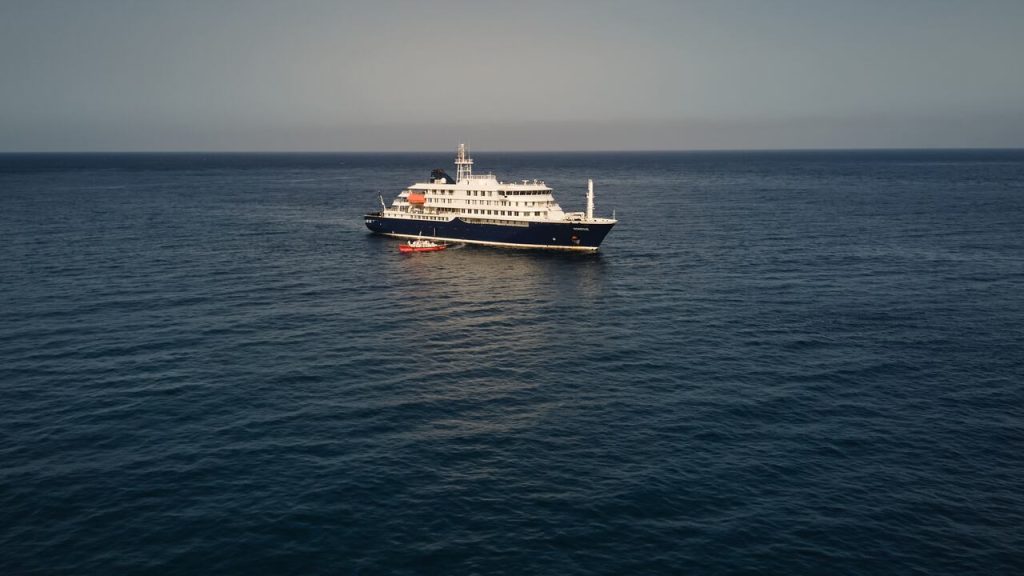
The narrative surrounding the cruise industry has often felt like a turbulent sea. From the global headlines of the pandemic era to occasional reports of gastrointestinal outbreaks like norovirus, the sector has faced intense public scrutiny. Critics frequently label these massive vessels as “floating Petri dishes,” and documentaries have not shied away from highlighting the darker side of life at sea. Yet, despite these challenges, the cruise industry is not just surviving—it is thriving at record-breaking levels.
As we move through 2026, the data tells a story that contradicts the doom-and-gloom headlines. With global passenger numbers soaring to historic highs, it is clear that for millions of travelers, the allure of the open ocean far outweighs the perceived health risks. But why exactly is the industry experiencing such a renaissance? The answer lies in a complex mix of unparalleled convenience, economic value, and a fundamental shift in how we view modern travel.
The Psychology of the Modern Cruiser: Why We Keep Coming Back
To understand the resilience of the cruise market, we must look at the psychological drivers behind travel. According to the 2026 Cruise Lines International Association (CLIA) report, the industry is projected to host over 37 million passengers this year, with expectations to climb toward 41 million by 2028. This isn’t just a recovery; it is an explosion of demand.
The Power of “All-Inclusive” Simplicity
In an era of high-stress living, the “all-inclusive” nature of a cruise is the ultimate antidote. Travelers are increasingly overwhelmed by the logistical nightmare of planning multi-destination vacations. Booking separate flights, hotels, ground transportation, and dining reservations is time-consuming and expensive.
Cruises remove the friction from the vacation experience. Once a passenger steps onto the gangway, the itinerary is handled, the food is prepared, and the entertainment is curated. This seamless travel experience is the primary reason travelers cite for returning to the sea time and time again.
The Value Proposition
Economic uncertainty often drives consumers to seek guaranteed value. Cruising offers a predictable cost structure that is difficult to match with land-based travel. When you factor in the cost of luxury accommodations, world-class dining, Broadway-style entertainment, and transportation between exotic ports, the cruise value proposition remains highly competitive. For families and retirees alike, the ability to budget a vacation down to the dollar is a massive selling point.
Addressing the “Floating Petri Dish” Myth
The media often magnifies health incidents on cruise ships because of their unique, contained environment. When a sickness occurs on a ship, it is highly visible, and social media amplifies the narrative. However, experts argue that this perception is largely disproportionate to reality.
Statistical Reality vs. Headlines
Public health experts, including those from the CDC, note that norovirus outbreaks on cruise ships account for a tiny fraction—often cited as less than 1%—of total reported outbreaks. The vast majority of norovirus cases occur in land-based settings like schools, nursing homes, and hospitals.
The misconception exists because cruise ships are “temporary cities at sea.” While it is true that close contact facilitates the spread of illness, modern cruise lines have invested billions into medical facilities, air filtration systems, and rigorous sanitation protocols. In 2026, these ships are arguably cleaner and more medically prepared than most land-based resorts.
Preventive Precautions
The industry has adopted a proactive stance on health. CLIA-member cruise lines are held to strict international standards for disease detection and mitigation. When an incident does occur, it is treated with a level of scrutiny that would be impossible to replicate in a sprawling city or a remote land-based hotel. For many, this heightened safety culture provides more comfort than the lack of oversight at a typical all-inclusive resort.
The Evolution of the Cruise Experience
The cruise industry of 2026 is not the same as it was a decade ago. It has evolved to cater to a younger, more diverse, and more tech-savvy demographic.
From “Old-Fashioned” to “Lifestyle”
Cruising is no longer just for the retired demographic. Modern ships are essentially floating theme parks and luxury resorts combined. With high-speed satellite internet, advanced onboard technology, and sophisticated dining options that rival top-tier culinary capitals, cruises are being redefined as a “lifestyle” choice.
Destination Diversity
The expansion of itineraries is another factor driving growth. While the Caribbean and the Mediterranean remain the top destinations, we are seeing a massive increase in interest for expedition cruising, cultural immersion tours, and “off-the-beaten-path” ports of call. This variety ensures that even the most seasoned traveler can find a new, exciting experience on the water.
Why Experts Remain Bullish on the Industry
Despite the occasional headlines regarding illnesses, tourism experts and economists remain incredibly optimistic about the sector’s future. The reasons are rooted in the fundamental human desire for connection and exploration.
1. High Repeat Rates
The most telling statistic in the 2026 industry report is the customer loyalty rate. Approximately 90% of cruisers report that they intend to sail again. When a travel product has a 90% retention rate, it is not just a trend—it is a cornerstone of the global tourism economy.
2. Investment in Sustainability
The cruise industry is also making massive strides in environmental sustainability. With a commitment to pursue net-zero emissions by 2050, the industry is investing in future fuels and more efficient ship designs. This focus on long-term sustainability is attracting a new generation of eco-conscious travelers who want to see the world without leaving a massive carbon footprint.
3. The “Bucket List” Factor
Even public health experts, who are professionally trained to look for risks, often admit that cruising is on their own personal “bucket list.” The ability to wake up in a new country every morning without packing and unpacking is a travel fantasy that few other methods can satisfy. It is this emotional connection to the sea that keeps the industry afloat, even in the face of temporary PR challenges.
Conclusion: Weighing the Risks in a Post-Pandemic World
Is there a risk in traveling? Yes. Whether you are staying at a five-star resort in Mexico, taking a train across Europe, or boarding a cruise ship, there is always a potential for illness or disruption. However, the cruise industry has proven its resilience by focusing on what it does best: delivering an unmatched combination of ease, value, and adventure.
The data for 2026 suggests that the public has weighed the risks and determined that the benefits are worth it. By prioritizing safety, investing in innovation, and listening to the evolving needs of their passengers, cruise lines have cemented their place as a pillar of modern tourism. As long as travelers crave a vacation that combines the comfort of home with the wonder of the world, the cruise industry will continue to sail toward a bright, record-breaking horizon.