A Royal Toast: Trump Lifts Scotch Whisky Tariffs in ‘Honor’ of King Charles’ 2026 State Visit

The landscape of transatlantic trade shifted dramatically this week as the United States and the United Kingdom celebrated a diplomatic milestone. As the four-day state visit of King Charles III and Queen Camilla to Washington D.C. drew to a close, President Donald Trump announced a major policy reversal that has sent shockwaves of relief through the Highlands. In a move described as a “gift” to the British monarch, the U.S. President has officially ordered the removal of tariffs on Scotch whisky, citing the profound impact of the royal visit and the deep-rooted connection between the spirits industries of Scotland and Kentucky.
The “Royal Intervention”: Why Trump Lifted the Tariffs
For years, the Scotch whisky industry has been a pawn in broader trade disputes, but the 2026 state visit provided the ultimate diplomatic “icebreaker.” Writing on his platform, Truth Social, President Trump credited the King and Queen for achieving what years of bureaucratic lobbying could not.
“In Honor of the King and Queen of the United Kingdom… I will be removing the Tariffs and Restrictions on Whiskey having to do with Scotland’s ability to work with the Commonwealth of Kentucky,” Trump stated. He emphasized that the royal couple “got me to do something that nobody else was able to do, without hardly even asking!”
This decision marks a pivotal moment in the “Trump Renaissance” in D.C., as the administration looks to solidify alliances ahead of the 250th anniversary of U.S. independence. The move isn’t just about sentiment; it’s a strategic nod to the “Special Relationship” that defines the two nations.
The Kentucky-Scotland Connection: A Tale of Two Barrels
One of the most fascinating aspects of this trade resolution is the symbiotic relationship between Scottish Scotch and American Bourbon. Most people are unaware that the Scotch industry is one of the largest customers of American oak.
The Lifecycle of a Cask
Kentucky Bourbon Law: By law, American bourbon must be aged in charred, new oak containers. These barrels can only be used once for bourbon.
The Scottish Re-use: Once the bourbon is bottled, these high-quality barrels are shipped to Scotland.
- Scotch Maturation: Scotch whisky is traditionally aged in these “second-fill” bourbon casks, which impart the vanilla and caramel notes beloved by connoisseurs.
By removing the tariffs, Trump has effectively greased the wheels of this circular trade economy. The restrictions had previously hampered the movement of these wooden barrels, increasing costs for producers in both Kentucky and Scotland.
The Economic Stakes: A £600 Million History
To understand why this announcement is “tremendous news,” one must look at the damage caused by previous trade wars. Between 2019 and 2021, a 25% tariff on Scotch whisky resulted in the sector losing more than £600 million—averaging a loss of £1 million every single day.
The Scotch Whisky Association (SWA) had recently estimated that the 10% tariffs active in early 2026 were costing firms roughly £3 million in lost exports every week. Furthermore, the industry was staring down the barrel of a potential 25% hike scheduled for the spring as part of Trump’s broader tariff agenda. The royal visit has effectively neutralized this threat, securing the future of Scotland’s most valuable export market.
Political Credit: A Divided Reaction in Scotland
While the whisky industry celebrates, the political fallout in Scotland has been contentious. A war of words has broken out over who truly deserves the credit for the tariff removal.
John Swinney’s Diplomatic Push
Scottish First Minister John Swinney was quick to hail the decision as a victory for Scottish government lobbying. Swinney had visited the White House earlier in the year to press the President on the issue. “By meeting the president during his visit to Scotland and by going to Washington, to the Oval Office, we made Scotland’s case,” Swinney remarked. He also cited the State Banquet hosted by the King in London as a crucial turning point where the “hard work” finally paid off.
The Conservative Counter-Argument
However, the leader of the Scottish Conservatives, Russell Findlay, offered a different perspective. Findlay accused the SNP of being “dishonest,” arguing that it was the King’s personal rapport with Trump that secured the deal. “The King has secured an agreement from the US president… Why are the SNP so dishonest?” Findlay questioned, highlighting the visible chemistry between the President and the Monarch during the visit.
Industry Reaction: A “Significant Boost”
For the distillers themselves, the news is a cause for celebration. Mark Kent, CEO of the Scotch Whisky Association, described the announcement as a “significant boost” for the industry’s most valuable export market.
“For months, many have worked tirelessly to return zero-for-zero tariff trade for whisky and bourbon,” Kent stated. He emphasized that the special relationship between the two industries would be “reinvigorated,” allowing both Kentucky and Scotland to focus on growth rather than trade barriers.
“The Greatest King”: Personal Diplomacy at the White House
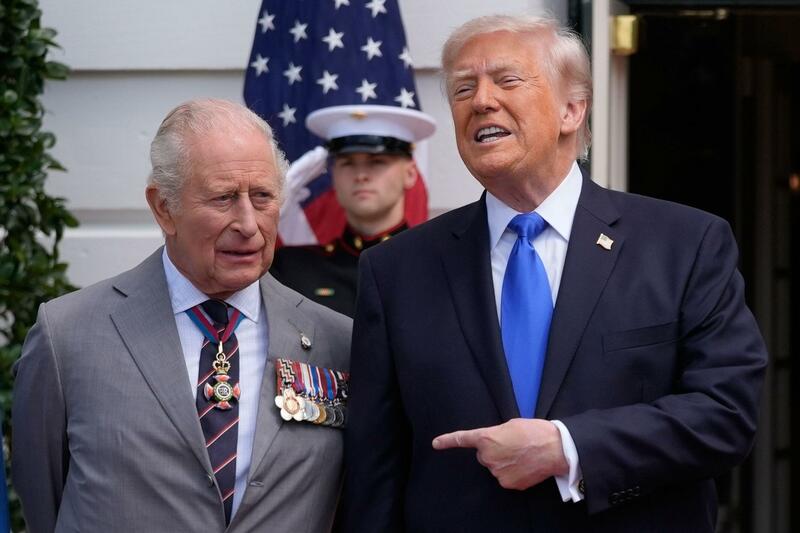
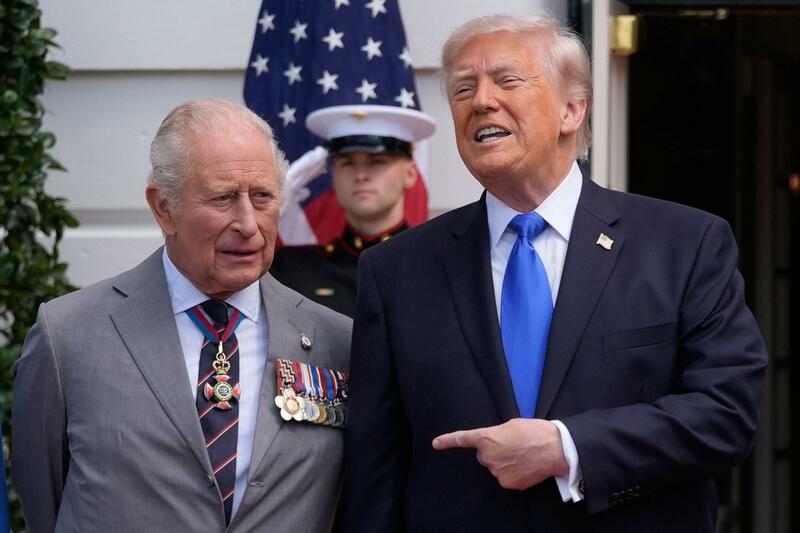
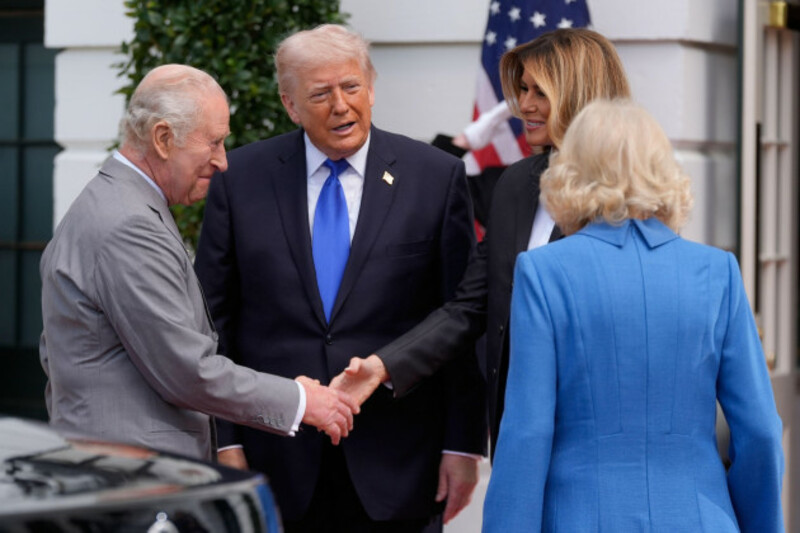
The state visit was marked by high-profile photo opportunities and personal praise. As the royals prepared to depart, President Trump told the gathered press, pointing at Charles: “He’s a great king. The greatest king in my book.”
Despite the warmth, the King maintained his trademark royal neutrality. When asked about his thoughts on the current political climate in D.C., the King simply smiled and replied, “Ah, we’ll see.” This blend of royal poise and Trump’s outspoken admiration appears to have been the perfect recipe for a diplomatic breakthrough.
Final Acts of Remembrance
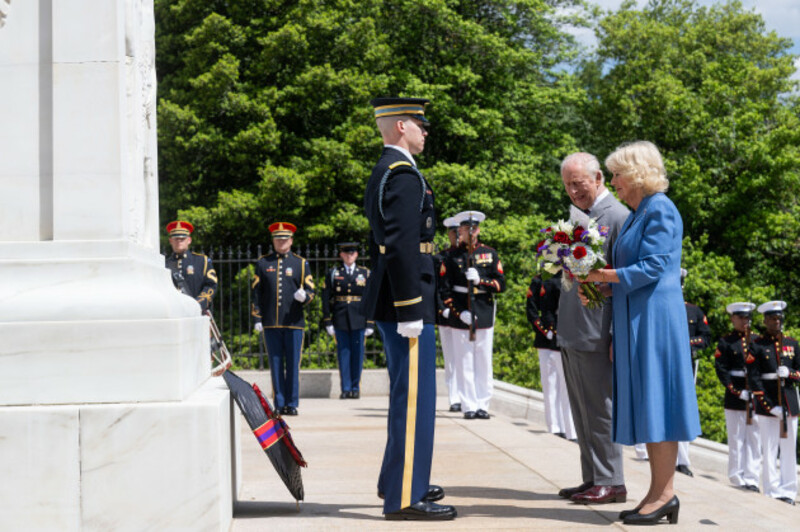
The state visit concluded on a somber and respectful note. Following their final goodbye at the White House, King Charles and Queen Camilla visited Arlington National Cemetery. In a display of the enduring military partnership between the UK and the US, the King laid a wreath while the Queen placed a posy at the Tomb of the Unknown Soldier.
This final act served as a reminder that while trade and tariffs dominate the headlines, the foundation of the UK-US relationship remains built on shared history and sacrifice.
Conclusion: A New Era for Transatlantic Spirits?
The removal of the Scotch whisky tariffs is more than just a trade win; it is a testament to the power of soft diplomacy. By leveraging the prestige of a royal state visit, the UK has managed to secure a vital economic concession during a period of intense global trade volatility.
As the barrels begin to move more freely between the warehouses of Kentucky and the glens of Scotland, the industry looks forward to a period of stability. With the 250th anniversary of the United States on the horizon, this “royal toast” may be the first of many agreements that define a new chapter in the Special Relationship.