Historic Resolution: Trump Signs Bill Ending Record-Breaking 76-Day DHS Shutdown

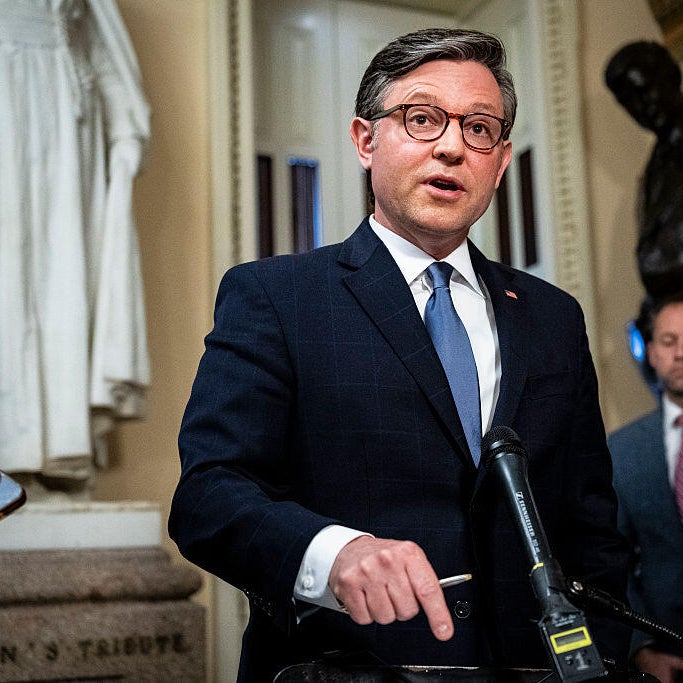
The halls of Washington D.C. are finally quiet, marking the conclusion of a legislative standoff that will go down in the history books. After a grueling 76-day partial government shutdown—the longest in the history of any federal department—President Donald Trump has signed a bipartisan bill to restore funding to the Department of Homeland Security (DHS).
This resolution brings much-needed relief to thousands of federal employees, including the Coast Guard, FEMA, and TSA agents, who had been operating under immense financial uncertainty. As we look back on this impasse in 2026, it serves as a stark reminder of the complexities inherent in modern American governance and the high-stakes negotiations surrounding national border policy.
The Anatomy of the 76-Day Shutdown
The crisis began on February 14, when funding authority for the DHS officially expired. What followed was a protracted, high-stakes game of political chess between the White House, House Republicans, and Senate Democrats. At the center of the storm was the funding of immigration enforcement agencies, specifically Immigration and Customs Enforcement (ICE) and the Border Patrol.
For over two months, the legislative process ground to a halt. While the One Big Beautiful Bill Act passed in the previous cycle ensured that ICE and Border Patrol operations continued uninterrupted, other critical components of the DHS were not as fortunate.
Impact on Frontline Agencies
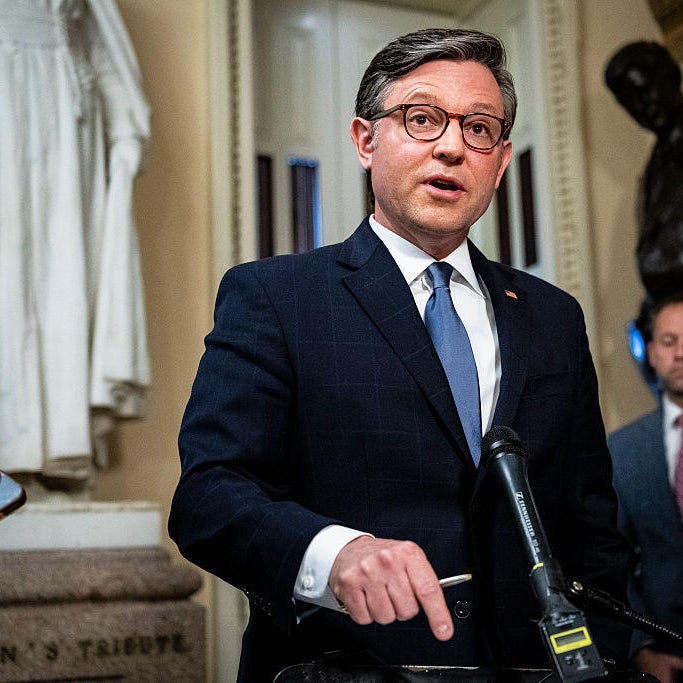
The human cost of the shutdown was significant. Adm. Kevin Lunday, the commandant of the Coast Guard, publicly voiced the “furious” sentiment of his workforce, noting the extreme frustration of being caught in the crossfire of political maneuvering.
Coast Guard: Crews struggled to maintain maritime security without routine pay.
TSA: Airport security personnel faced mounting personal financial pressure while managing travel checkpoints.
- FEMA: Emergency management operations faced administrative hurdles as resources were stretched thin.
The Legislative Breakthrough: A Two-Track Strategy
The breakthrough did not come easily. For weeks, House Republicans refused to decouple the DHS funding bill from the broader immigration debate, fearing that passing a clean bill would amount to a concession on the President’s border security agenda.
Eventually, a compromise was struck. Senate Majority Leader John Thune, Speaker of the House, and President Trump coalesced around a two-parallel-track strategy to break the deadlock:
- Immediate Reopening: The House passed the Senate’s version of the DHS funding bill, which provided immediate relief to the affected agencies while temporarily setting aside the contentious immigration enforcement funding.
- The Reconciliation Path: Simultaneously, Congress initiated the budget reconciliation process. This mechanism allows Republicans to secure funding for ICE and Border Patrol for the next three years without needing support from Senate Democrats, effectively bypassing the legislative filibuster.
Analyzing the Political Strategy
This resolution represents a calculated political victory for the Trump administration. By securing a commitment to a three-year funding package for immigration agencies via reconciliation, the White House maintained its core policy objectives while ensuring that the rest of the DHS could resume full operations.
“We held the homeland bill… because we had to ensure they could not isolate and eliminate those two critical agencies,” said House leadership following the vote. The strategy was clear: check the box on the broader department funding to mitigate public outcry, then utilize the budget reconciliation “fast track” to cement the immigration enforcement funding by the President’s June 1 deadline.
Why This Matters in 2026
In the current political climate, this shutdown highlights the growing reliance on reconciliation to pass major spending packages. When traditional bipartisan cooperation fails, the reconciliation process has become the primary tool for parties to achieve their legislative goals. However, as the 76-day duration proved, this approach carries the risk of paralyzing the federal government for months on end.
The Path Forward for DHS
With the President’s signature now on the bill, the focus shifts to restoring stability to the DHS workforce. The department’s payroll, which had been maintained through repurposed funds, was dangerously close to depletion. Homeland Security Secretary Markwayne Mullin had previously warned that without this bill, payroll would have dried up entirely by early May.
Moving forward, the success of the reconciliation package will be the next major hurdle. If the relevant committees can draft the legislation as instructed by the budget plan, the administration expects to have the final funding package on the President’s desk by June 1. This would effectively finalize the funding landscape for the remainder of the fiscal year.
Conclusion: Lessons from the Impasse
The 76-day DHS shutdown was more than just a bureaucratic failure; it was a reflection of the deep-seated ideological divides regarding border security and executive authority. By prioritizing the stability of frontline agencies like the Coast Guard and TSA, Congress finally managed to move past the impasse, though the underlying debates regarding immigration enforcement remain as fervent as ever.
As we move toward the summer of 2026, the resolution of this crisis provides a roadmap for how future funding disputes might be managed—or how they might continue to fracture the legislative process. One thing remains certain: the resilience of the federal workforce was tested, and the ability of Washington to navigate these crises continues to define the stability of the American government.