Bank of England Inflation Warning: Could UK Rates Soar to 6% Amid Geopolitical Turmoil?

The global economic landscape in 2026 is facing a precarious turning point. As geopolitical tensions in the Middle East escalate, the Bank of England (BoE) has issued a stark warning: inflation in the United Kingdom could surge past the 6% mark if the current energy price shock proves to be a long-term fixture. While policymakers have opted for an “active hold” on interest rates at 3.75%, the shadow of potential future hikes looms large over British households and businesses.
The Triple Threat: Oil, Energy, and Inflation
The primary driver behind this volatility is the ongoing conflict in the Middle East, which has severely disrupted global energy supplies. With Brent crude oil prices experiencing significant spikes—briefly touching four-year highs—the cost of importing energy has become a major hurdle for the UK economy.
The Bank of England has modeled several scenarios to navigate this instability. In their most pessimistic forecast, a drawn-out conflict could see oil prices sustained above $100 a barrel until 2028. Under such conditions, the inflation rate would likely peak at 6.2%, necessitating a “forceful” monetary response from the Bank, potentially pushing interest rates well above 5%.
Why Food and Energy Prices Are Critical
The inflation shock is not limited to petrol pumps. The BoE has highlighted that the most significant price increases are expected in the supermarket aisles. Driven by rising fertilizer costs and transportation expenses, food inflation is projected to reach 7% by the end of the year, with some analysts fearing double-digit spikes by December.
For the average household, this translates to a tangible squeeze on living standards. The Bank estimates that the conflict could add approximately £80 to monthly mortgage payments and push annual gas and electricity bills toward the £2,000 threshold by summer.
The “Active Hold”: A Delicate Balancing Act
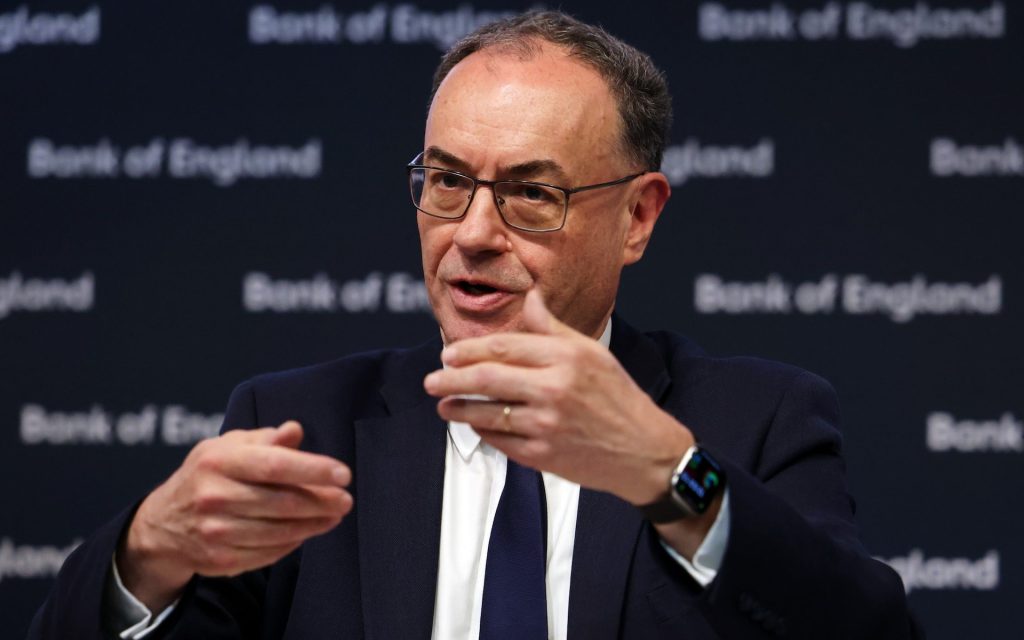
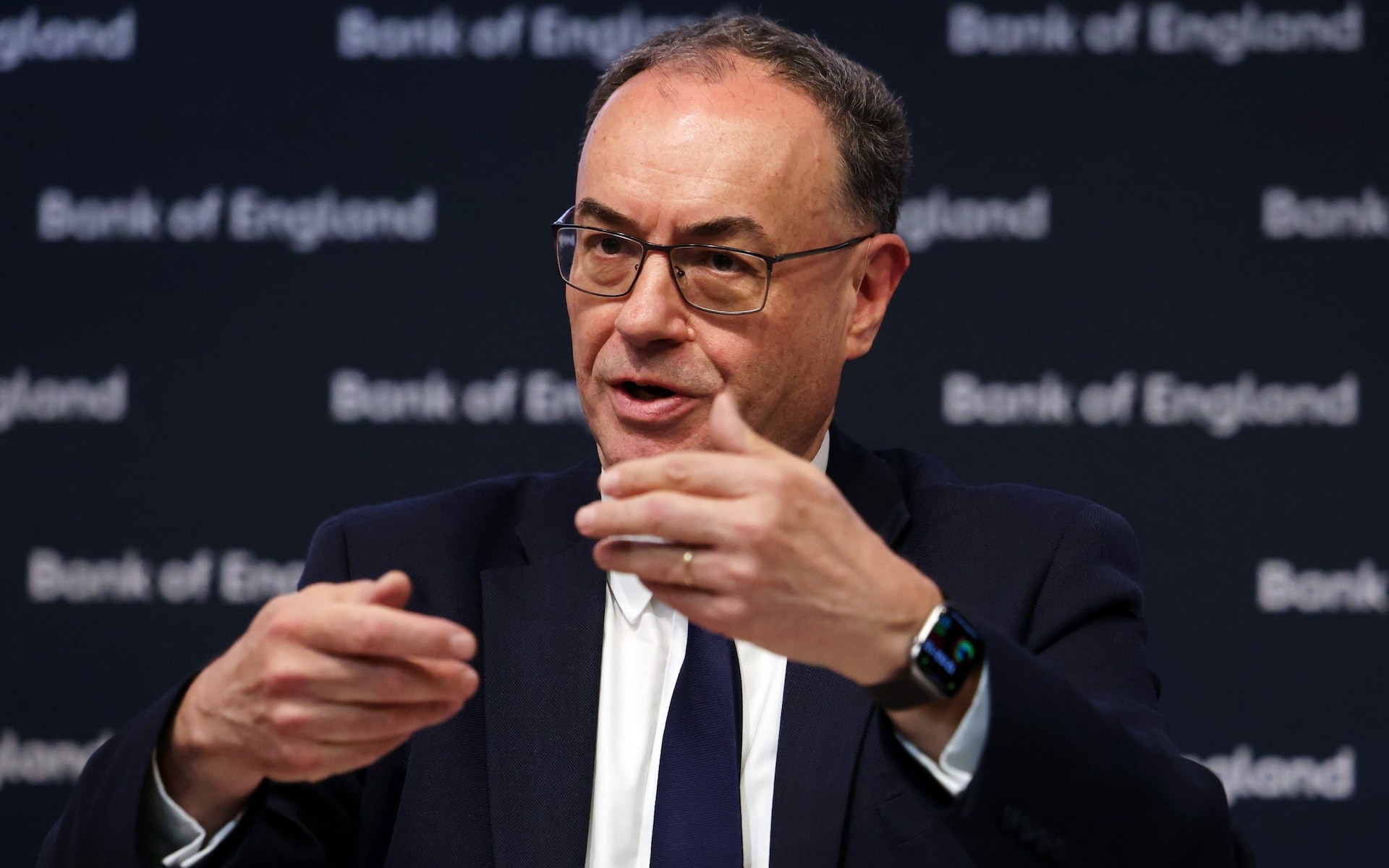
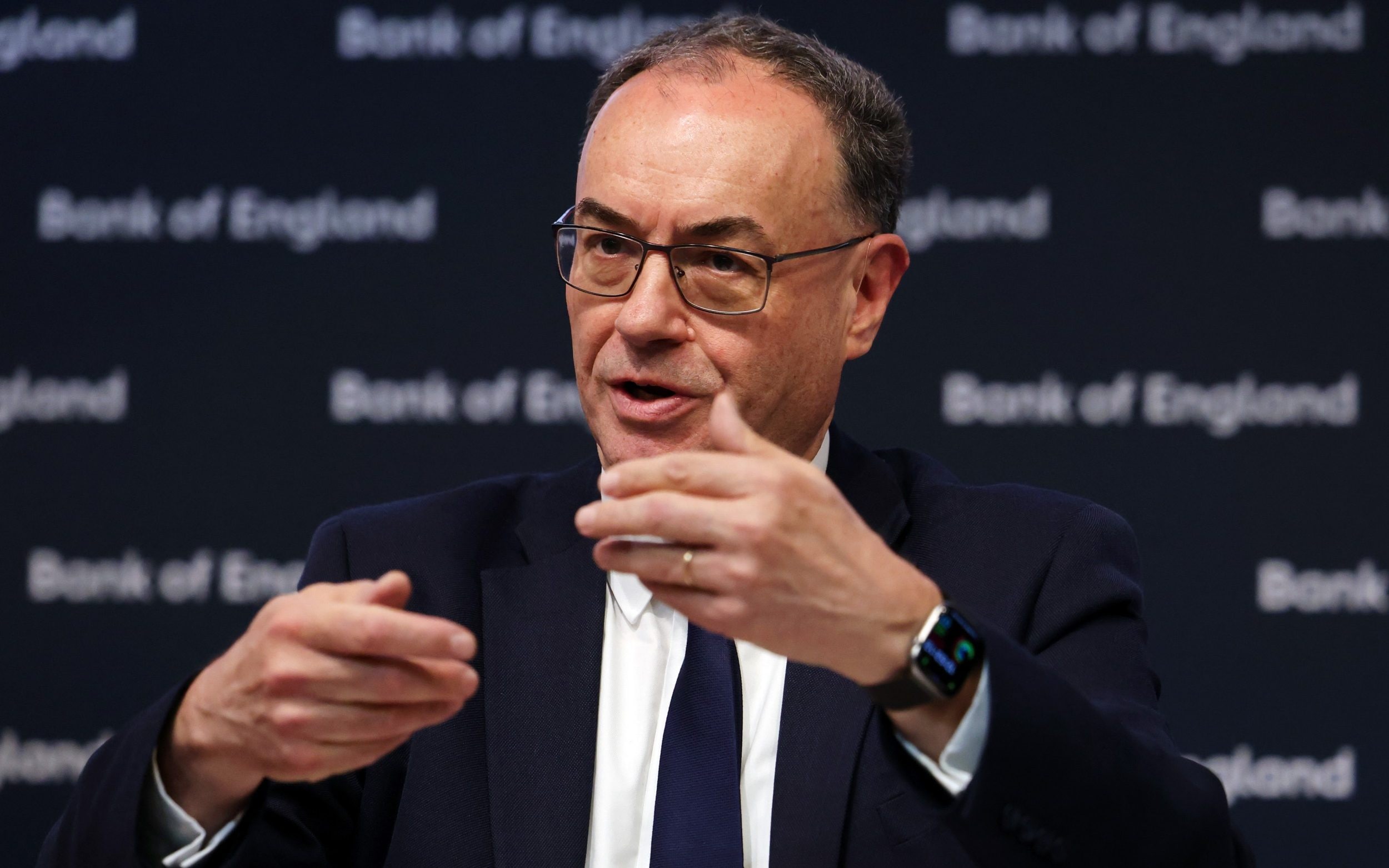
Governor Andrew Bailey and the Monetary Policy Committee (MPC) are currently walking a tightrope. By keeping interest rates at 3.75%, the Bank is attempting to avoid choking off an already fragile economy while remaining vigilant against the risk of inflation becoming “embedded.”
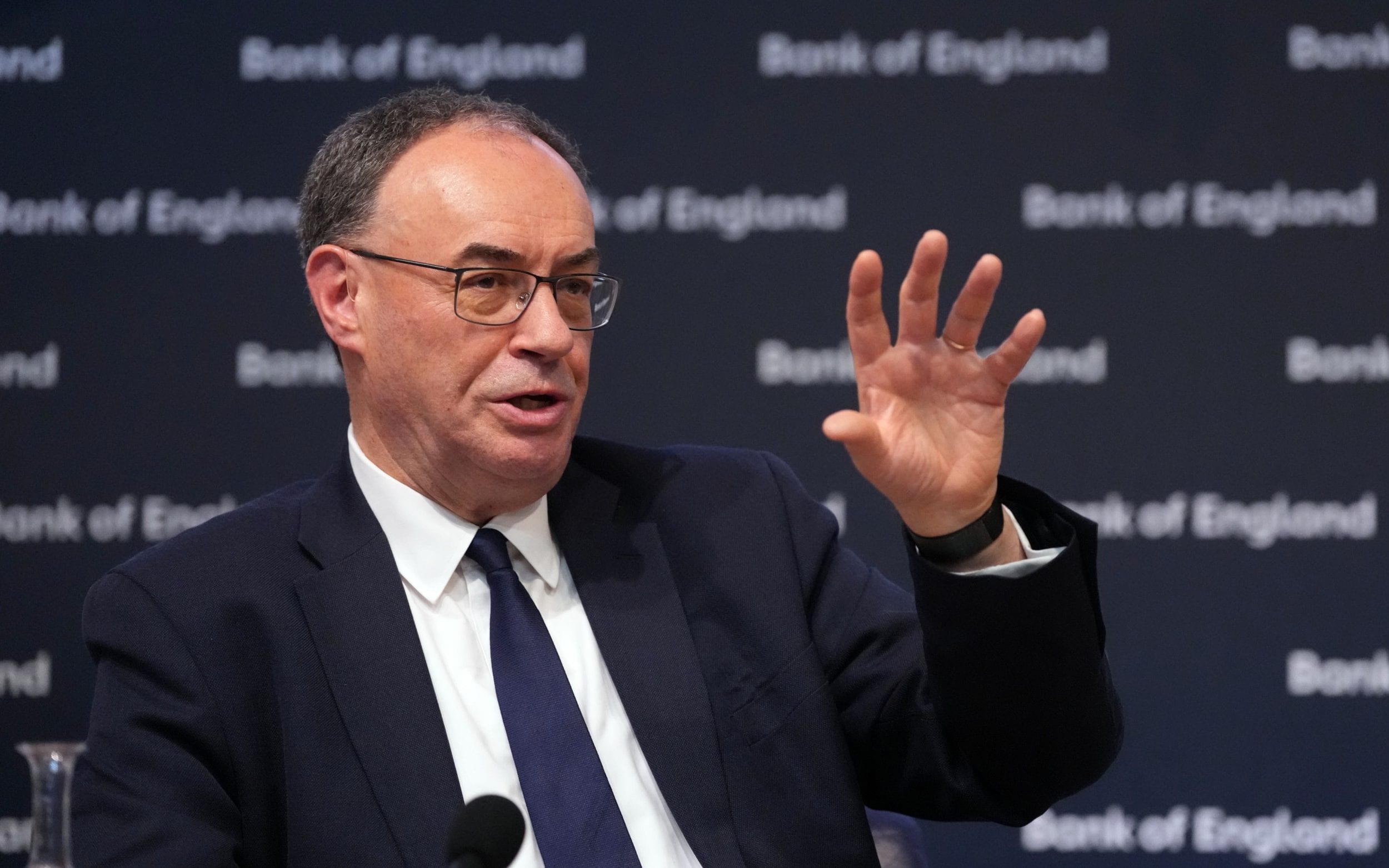
Despite the hawkish tone, Mr. Bailey has been careful not to commit to imminent rate hikes. He noted that policymakers are deeply concerned about a weakening economy, with unemployment projected to climb above two million for the first time in over a decade. This creates a classic stagflationary trap: the need to raise rates to fight inflation versus the need to support a cooling labor market.
Dissent Within the Ranks
The decision to hold rates was not unanimous. Huw Pill, the Bank’s chief economist, was the sole dissenter, advocating for an immediate hike to 4%. His position reflects a growing concern among some experts that waiting too long to act will only make the eventual cure more painful. As Pill noted, a prompt hike could mitigate the risk of price rises becoming entrenched in wage-setting behavior.
International Context: The ECB and Global Markets
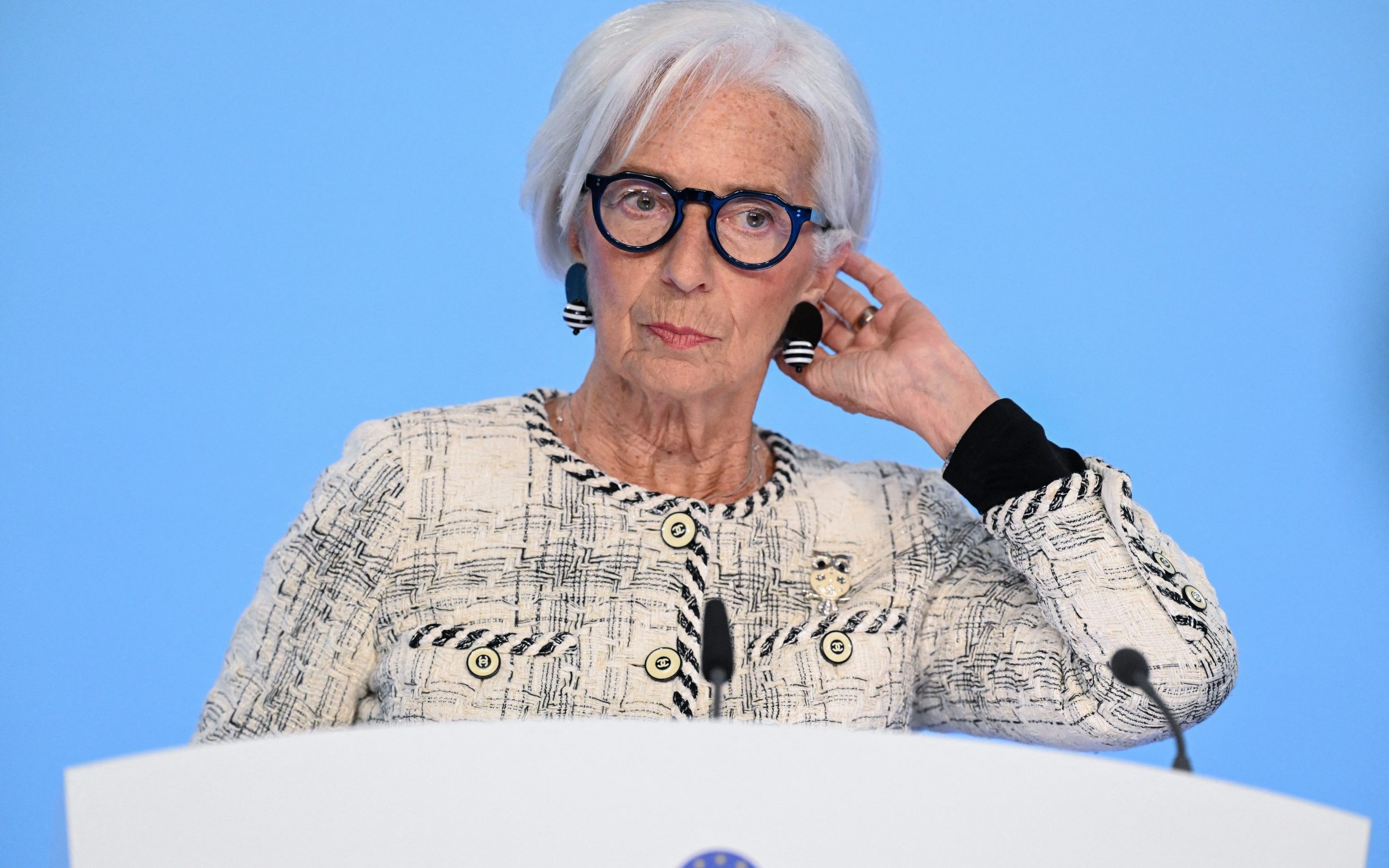
The UK is not alone in this struggle. The European Central Bank (ECB) is facing similar pressures as it navigates the economic aftershocks of the Middle East conflict. With Eurozone inflation rising to 3% in April, Christine Lagarde has suggested that the ECB may be forced to consider interest rate increases as soon as June if energy prices do not stabilize.
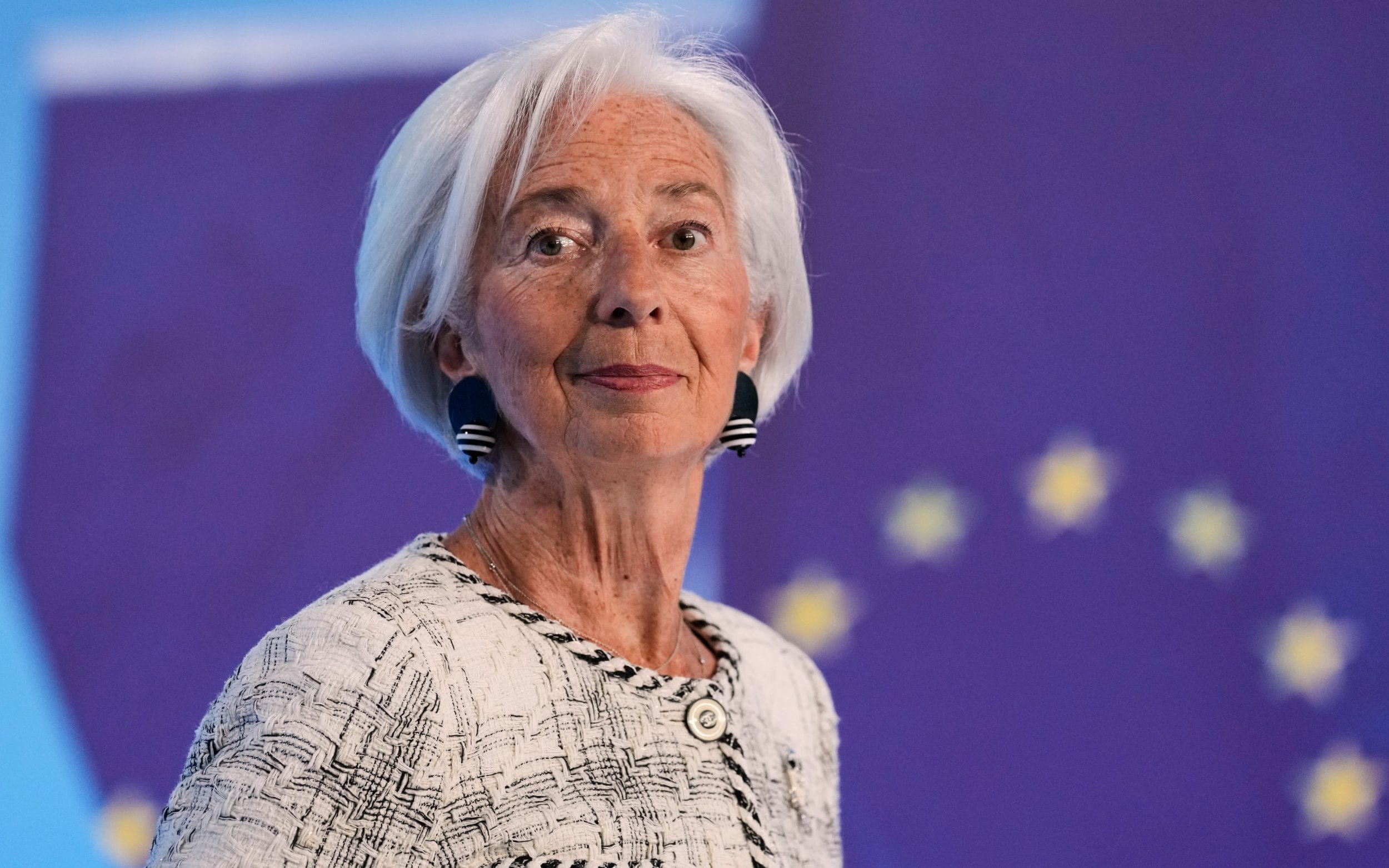
The volatility in global markets has intensified the scrutiny on central banks. Investors are watching closely to see how long these institutions can maintain a “wait and see” approach before the reality of the energy shock forces their hand.
What This Means for UK Households
For the average citizen, the coming months will be defined by uncertainty. The Bank of England’s simulations indicate that even in a “best-case” scenario—where the conflict ends quickly—inflation will remain elevated at 3.6%.
Mortgage Costs: Homeowners should prepare for higher servicing costs as lenders react to the BoE’s hawkish signals.
Disposable Income: With inflation outstripping wage growth, real-term income will continue to decline, forcing many families to cut back on non-essential spending.
- Labor Market: The predicted rise in unemployment suggests a challenging year ahead for job seekers, particularly in sectors most sensitive to energy costs.
Conclusion: The Long Road Ahead
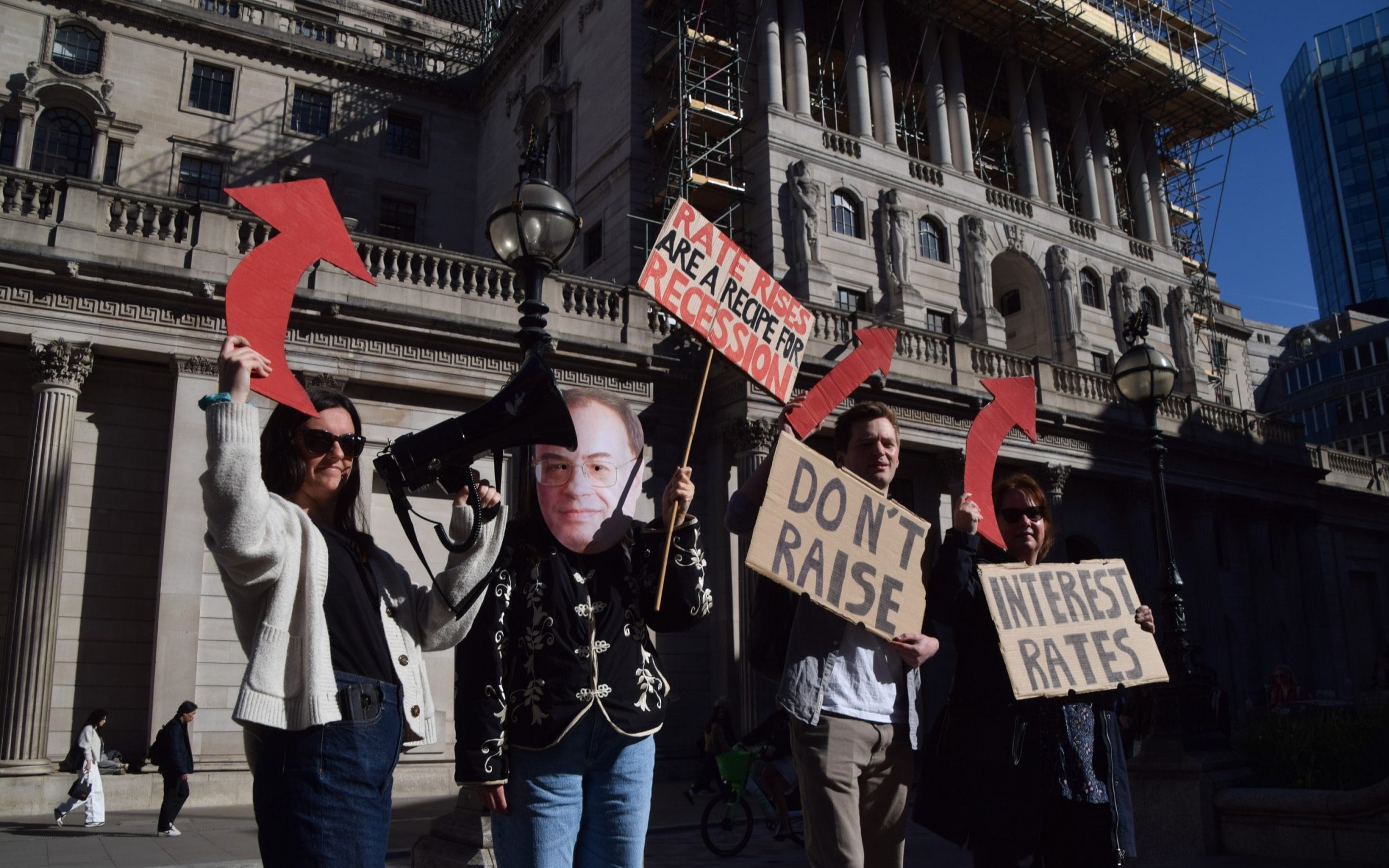
The Bank of England’s decision to hold rates is effectively a move to “buy time.” Policymakers are hoping that by keeping rates steady, they can allow for clarity on the geopolitical situation without triggering a domestic recession. However, the structural risks—higher energy costs, supply chain disruptions, and the potential for second-round inflation effects—remain significant.
As we move toward the second half of 2026, all eyes will be on the Bank’s upcoming meetings. Whether the UK enters a cycle of sustained rate hikes or manages to steer toward a soft landing will depend almost entirely on how quickly the current energy price shock subsides. For now, the message from Threadneedle Street is clear: the path to economic stability is narrow, and the risk of inflation exceeding the 6% threshold remains a very real threat to the nation’s financial health.