The Surgeon General Shift: Why Trump Tapped Dr. Nicole Saphier After Casey Means’ Stalled Nomination

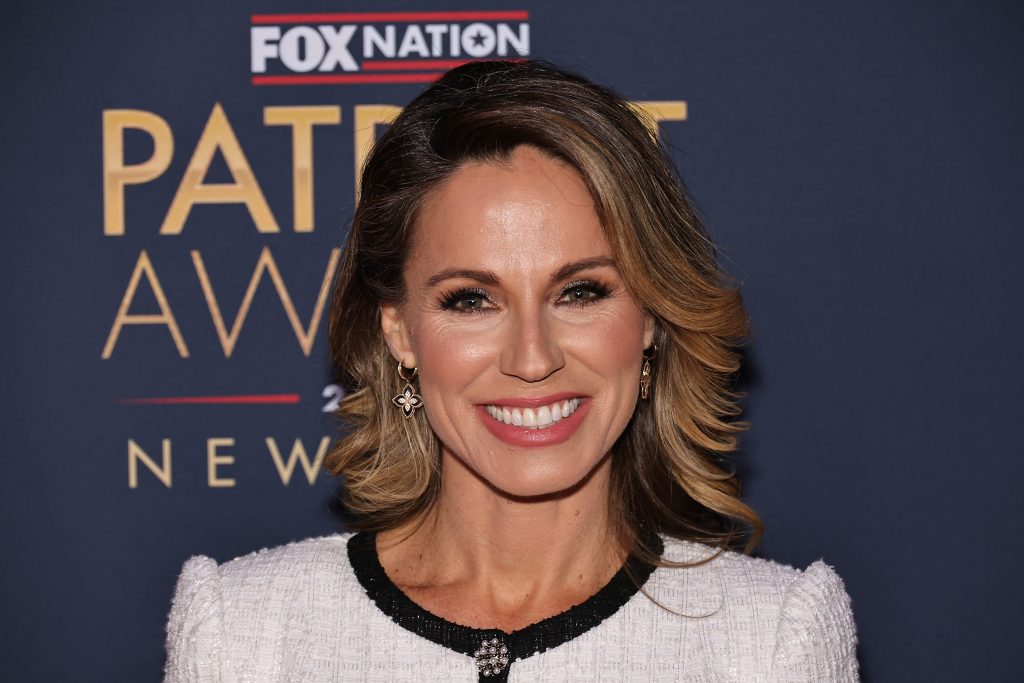
In a move that has sent ripples through the 2026 American healthcare landscape, President Donald Trump has officially nominated Dr. Nicole Saphier to serve as the next U.S. Surgeon General. This high-stakes appointment comes on the heels of a dramatic withdrawal of his previous nominee, Dr. Casey Means, whose path to confirmation was blocked by a bipartisan wall of skepticism in the Senate.
The nomination of Dr. Saphier represents a strategic pivot for the administration. By selecting a board-certified radiologist with deep roots in traditional clinical practice and a significant media presence, Trump aims to stabilize a key health position that has remained vacant during a period of intense national debate over medical transparency and chronic disease.
A Strategic Pivot: From Wellness Influencer to Clinical Expert
The transition from Dr. Casey Means to Dr. Nicole Saphier highlights a shift in the administration’s tactical approach toward the Senate Health, Education, Labor and Pensions (HELP) Committee. While the initial pick, Dr. Means, was a champion of the “Make America Healthy Again” (MAHA) platform, her lack of a current medical license and her unconventional views on vaccines proved to be insurmountable hurdles during the confirmation process.
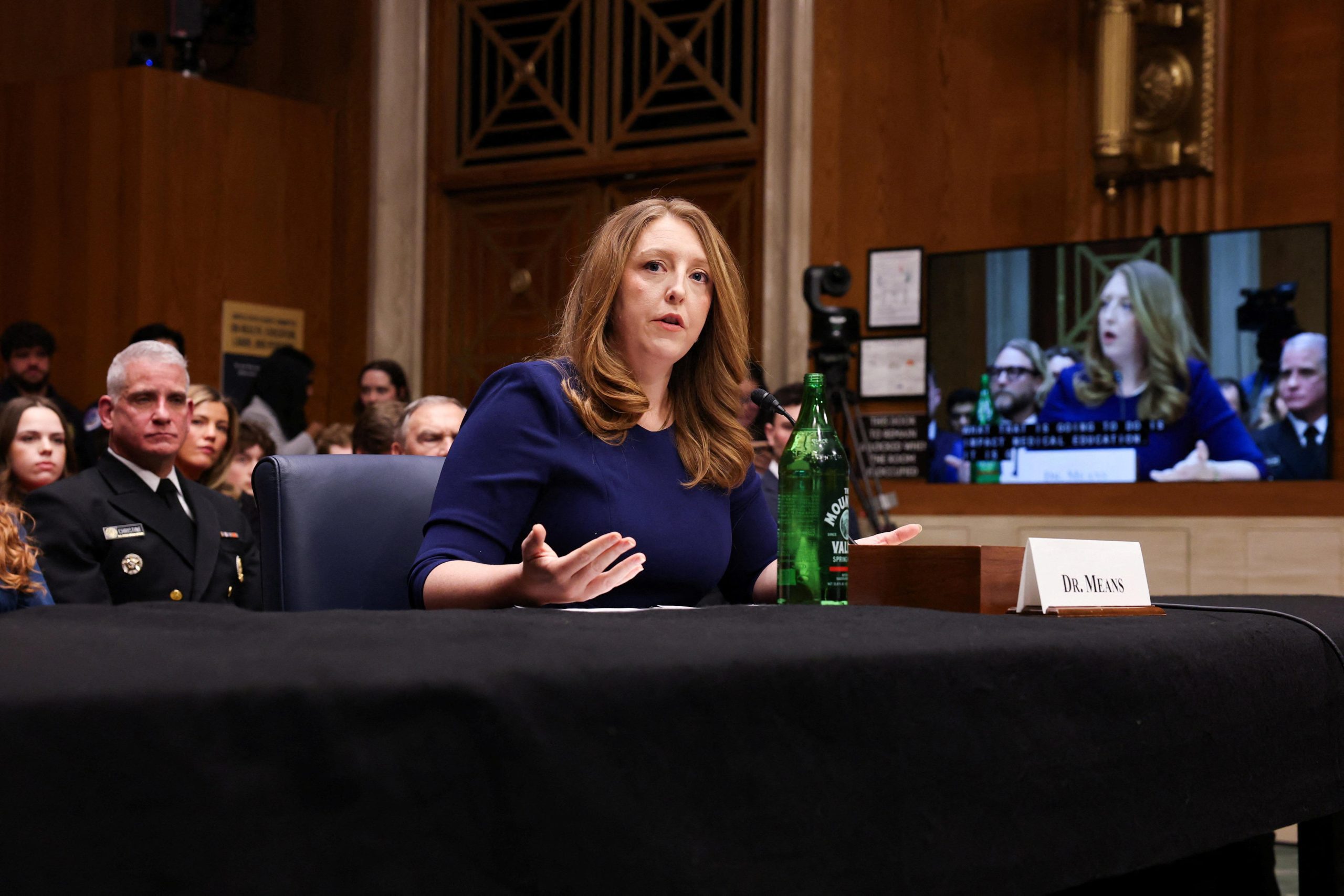
Why the Casey Means Nomination Stalled
Dr. Casey Means, a 38-year-old Stanford-educated physician, faced intense scrutiny from both sides of the aisle. Despite her impressive academic pedigree, several factors led to her downfall:
- Inactive Medical License: Means had allowed her medical license to lapse as she transitioned into the world of functional medicine and wellness advocacy.
- Incomplete Residency: She did not complete her surgical residency, a point that critics argued left her without the necessary clinical “street cred” to lead the nation’s public health commissioned corps.
- Vaccine Ambiguity: During her hearings, she was grilled by Senator Bill Cassidy, a physician himself, over her refusal to provide a full-throated defense of traditional vaccine schedules.
President Trump did not take this rejection lightly. In a characteristic social media post, he lashed out at Senator Cassidy, accusing the Louisiana Republican of standing in the way of a visionary nominee. However, recognizing the political reality, Trump pivoted to a candidate with a more traditional—yet equally media-savvy—background.
Who is Dr. Nicole Saphier? A Closer Look at the Nominee
Dr. Nicole Saphier is far from a stranger to the American public. A frequent face on Fox News since 2018, she has built a reputation as a clear, concise communicator on complex medical issues. Beyond her media persona, however, Saphier possesses a robust clinical and academic resume that the administration hopes will bypass the hurdles that tripped up Dr. Means.
Clinical Credentials and Academic Standing
Dr. Saphier is a board-certified diagnostic and interventional radiologist specializing in breast and oncologic imaging. Her current roles include:
Director of Breast Imaging at Memorial Sloan Kettering (MSK) Cancer Center-Monmouth.
Associate Professor at Weill Cornell Medical College.
Expert in Cancer Detection: Much of her career has been dedicated to early detection and the technological advancement of cancer screenings.
In his announcement on Truth Social, President Trump hailed Saphier as a “STAR physician,” noting her tireless advocacy for women facing breast cancer. He emphasized her ability to make “complicated health issues more easily understood by all Americans,” a trait that is highly valued in the role of “The Nation’s Doctor.”

The Role of the Surgeon General in 2026
As we move through 2026, the role of the U.S. Surgeon General has evolved. It is no longer just about issuing warnings on tobacco or promoting physical activity. In the current political climate, the Surgeon General must navigate the “infodemic”—the spread of both medical breakthroughs and health misinformation.
Focusing on Cancer Prevention and Early Detection
With Dr. Saphier at the helm, the Office of the Surgeon General is expected to prioritize preventative oncology. Given her background at Memorial Sloan Kettering, Saphier is uniquely positioned to lead a national campaign on the importance of regular screenings. In an era where cancer rates among younger populations are a growing concern, her expertise in imaging and early diagnosis could lead to significant policy shifts in how the federal government funds and promotes diagnostic technology.
Navigating the “MAHA” Influence
While Saphier is a more traditional pick than Means, she will still likely be expected to interface with the “Make America Healthy Again” movement spearheaded by Robert F. Kennedy Jr. and the Department of Health and Human Services (HHS). The challenge for Saphier will be to marry the rigorous standards of traditional medicine with the administration’s focus on addressing the root causes of chronic diseases and food system reform.
Political Implications and the Senate Confirmation Path
The nomination of Dr. Saphier is a calculated move to satisfy the Republican base while offering a candidate that moderate GOP senators—and perhaps even some Democrats—can support.
The Cassidy Factor
Senator Bill Cassidy, the Chairman of the Senate HELP Committee, will once again be the gatekeeper. Unlike Dr. Means, Dr. Saphier maintains an active medical license and holds a leadership position at one of the world’s most prestigious cancer centers. These credentials make it much harder for critics to argue that she lacks the professional standing required for the job.
However, the confirmation process will likely focus on:
Public Health Policy: Her views on national health emergencies and pandemic preparedness.
Media Commentary: Senators will undoubtedly review her years of Fox News segments to look for statements that might conflict with established public health guidelines.
Independence: Whether she can provide objective medical advice to the President, even when it might be politically inconvenient.
Comparing the Nominees: Saphier vs. Means
| Feature | Dr. Casey Means | Dr. Nicole Saphier |
| :— | :— | :— |
| Specialty | Functional Medicine / Wellness | Breast & Oncologic Radiology |
| Medical License | Inactive (at time of nomination) | Active & Board Certified |
| Academic Affiliation | Former Stanford | Weill Cornell Medical College |
| Clinical Role | Influencer / Entrepreneur | Director of Breast Imaging, MSK |
| Primary Focus | Metabolic Health & Chronic Disease | Cancer Detection & Prevention |
| Media Background | Social Media / Podcasts | Fox News Contributor |
The Road Ahead for U.S. Public Health
If confirmed, Dr. Nicole Saphier will inherit a nation still grappling with the aftershocks of the early 2020s health crises. Her primary mission will be to restore trust in public health institutions—a trust that has been significantly eroded over the last several years.
Her supporters argue that her experience as a radiologist—a doctor who looks “inside” the patient to find the truth—is a perfect metaphor for what the Surgeon General’s office needs. By focusing on data-driven diagnostics and clear communication, Saphier has the potential to bridge the gap between the skeptical public and the medical establishment.
Potential Policy Priorities
- Modernizing Screening Guidelines: Using her expertise to update national protocols for breast, lung, and colon cancer screenings.
- Addressing the Mental Health Crisis: Continuing the work of previous Surgeons General in highlighting the impact of social media and isolation on American youth.
- Health Literacy: Launching initiatives to help Americans navigate the overwhelming amount of health information available online.
Conclusion
The nomination of Dr. Nicole Saphier marks a significant moment in the 2026 political calendar. By choosing a candidate who combines high-level clinical expertise with a proven track record as a national communicator, President Trump is attempting to secure a win for his administration’s health agenda.
While the ghost of the failed Casey Means nomination still lingers over the Senate, Saphier’s credentials suggest a smoother path forward. As the nation watches, the focus now shifts to the Senate confirmation hearings, where Dr. Saphier will have to prove that she is not just a “star physician” on television, but the right leader to guide American public health into a new era.