Iran’s Red Line: Mojtaba Khamenei Vows to Defend Nuclear and Missile Assets Amid Global Oil Crisis

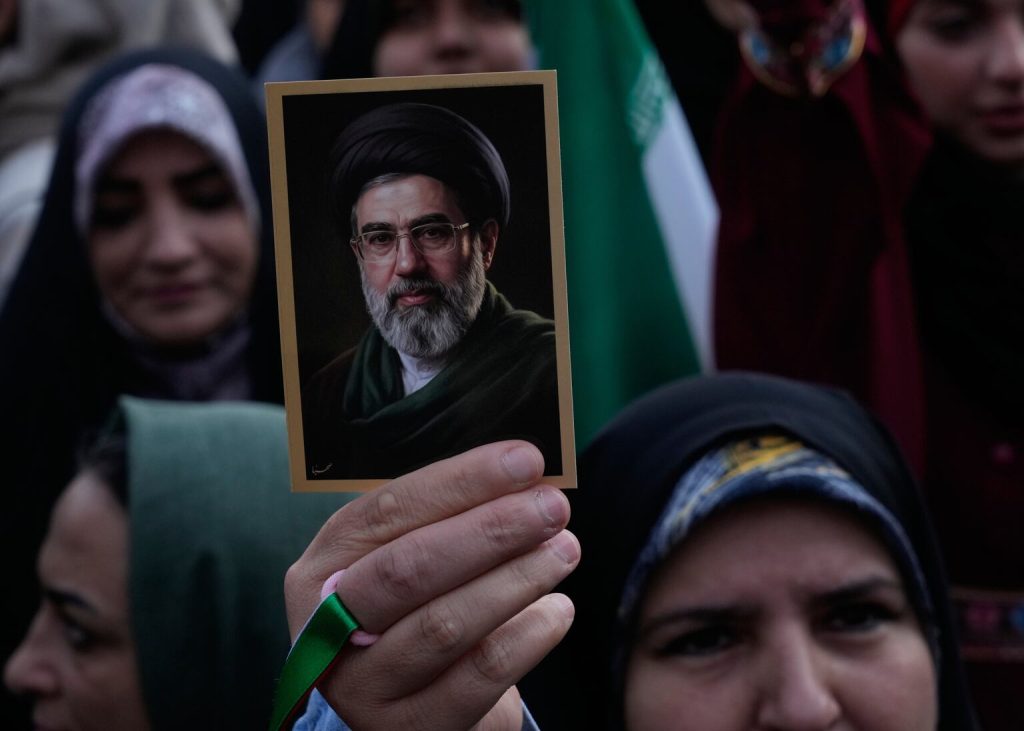
The geopolitical landscape of 2026 has reached a fever pitch as the Islamic Republic of Iran signals a staunch refusal to dismantle its most controversial programs. In a recent and highly anticipated address, Iran’s Supreme Leader, Ayatollah Mojtaba Khamenei, declared that the nation’s nuclear and missile capabilities are non-negotiable “national assets.” This defiant stance comes at a critical juncture, as U.S. President Donald Trump maneuvers to expand a fragile ceasefire into a comprehensive, long-term regional settlement.
As the world watches the Persian Gulf with bated breath, the rhetoric emerging from Tehran suggests that despite the scars of recent conflict, the Iranian leadership is doubling down on its strategic deterrents. The implications for global energy security, international diplomacy, and the stability of the Middle East have never been more profound.
A New Era of Leadership: The Rise of Mojtaba Khamenei
The transition of power in Iran occurred under the most volatile circumstances imaginable. Following the death of his father, Ayatollah Ali Khamenei, in the opening air strikes of the recent conflict, Mojtaba Khamenei has assumed the mantle of Supreme Leader. His ascension marks a “new chapter” in the history of the Islamic Republic, characterized by a blend of traditional revolutionary fervor and a modern, uncompromising focus on technological sovereignty.
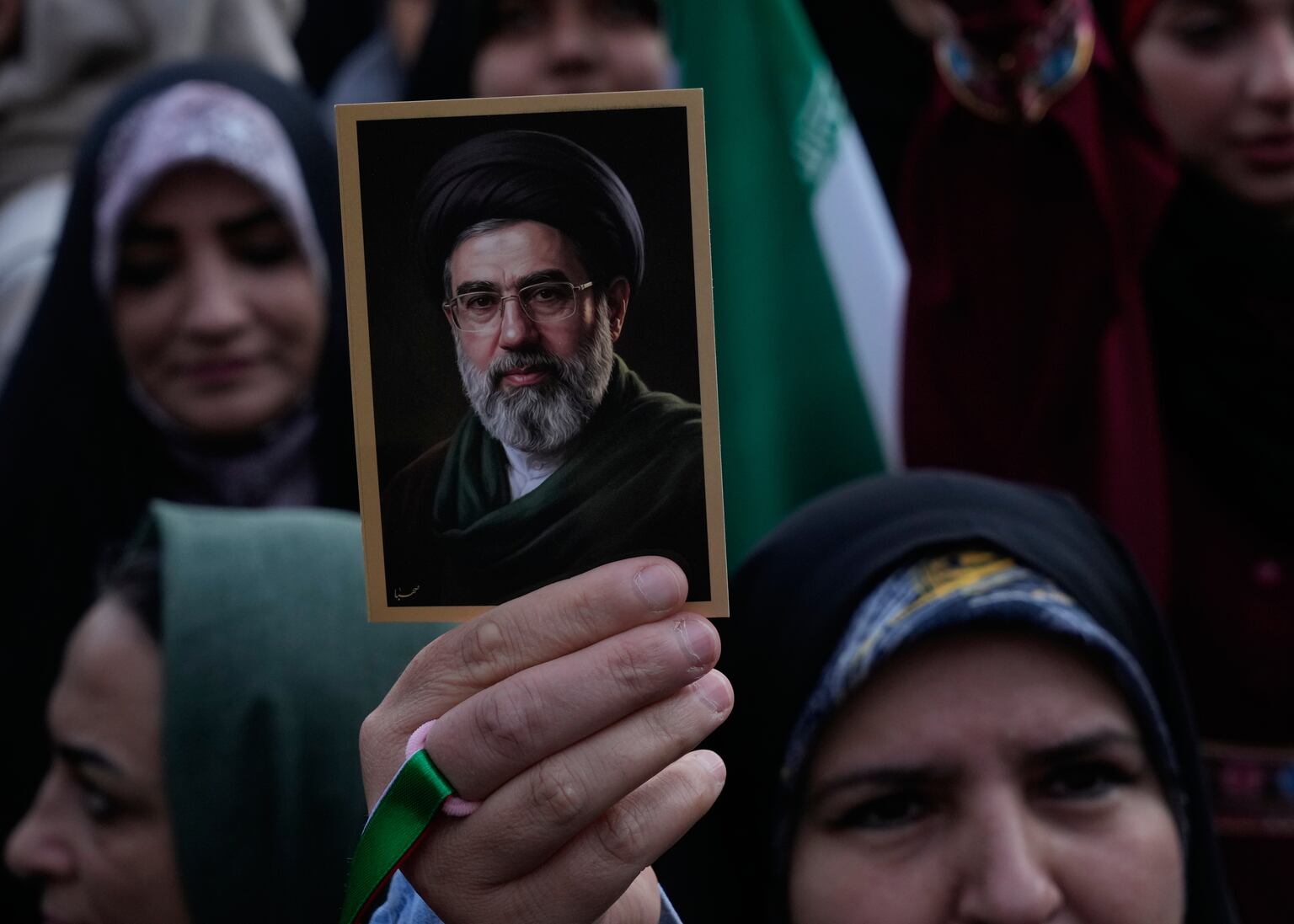
Interestingly, Mojtaba Khamenei has remained a shadow figure since taking office, having not been seen in public. His recent statements, read by state television presenters, suggest he was wounded in the February 28 attack that claimed his father’s life. Despite his physical absence, his words carry a weight that resonates across the region, particularly his warning that the only place for American forces in the Persian Gulf is “at the bottom of its waters.”
Identity-Based Capabilities: Beyond Just Weapons
In his address marking Persian Gulf Day, Khamenei framed Iran’s military and scientific achievements not merely as tools of war, but as integral components of the Iranian identity. He listed several sectors that 90 million Iranians allegedly view as sacred national assets:
Nuclear Technology: Including enrichment capabilities that have reached near-weapons-grade levels of 60%.
Ballistic Missile Programs: Seen as the primary deterrent against foreign intervention.
- Emerging Sciences: Specifically nanotechnology and biotechnology, which Tehran views as symbols of its industrial independence.
By linking these technologies to “spiritual and human capacities,” the Supreme Leader is signaling to Washington that these programs cannot be traded away for sanctions relief or economic incentives.
The Economic Battlefield: $126 Oil and the Strait of Hormuz
While the military standoff continues, the real-world consequences are being felt at gas stations and in boardrooms across the globe. The global benchmark for oil, Brent crude, surged to a staggering $126 per barrel this week. This price shock is a direct result of the dual blockade currently strangling the world’s most important energy artery.
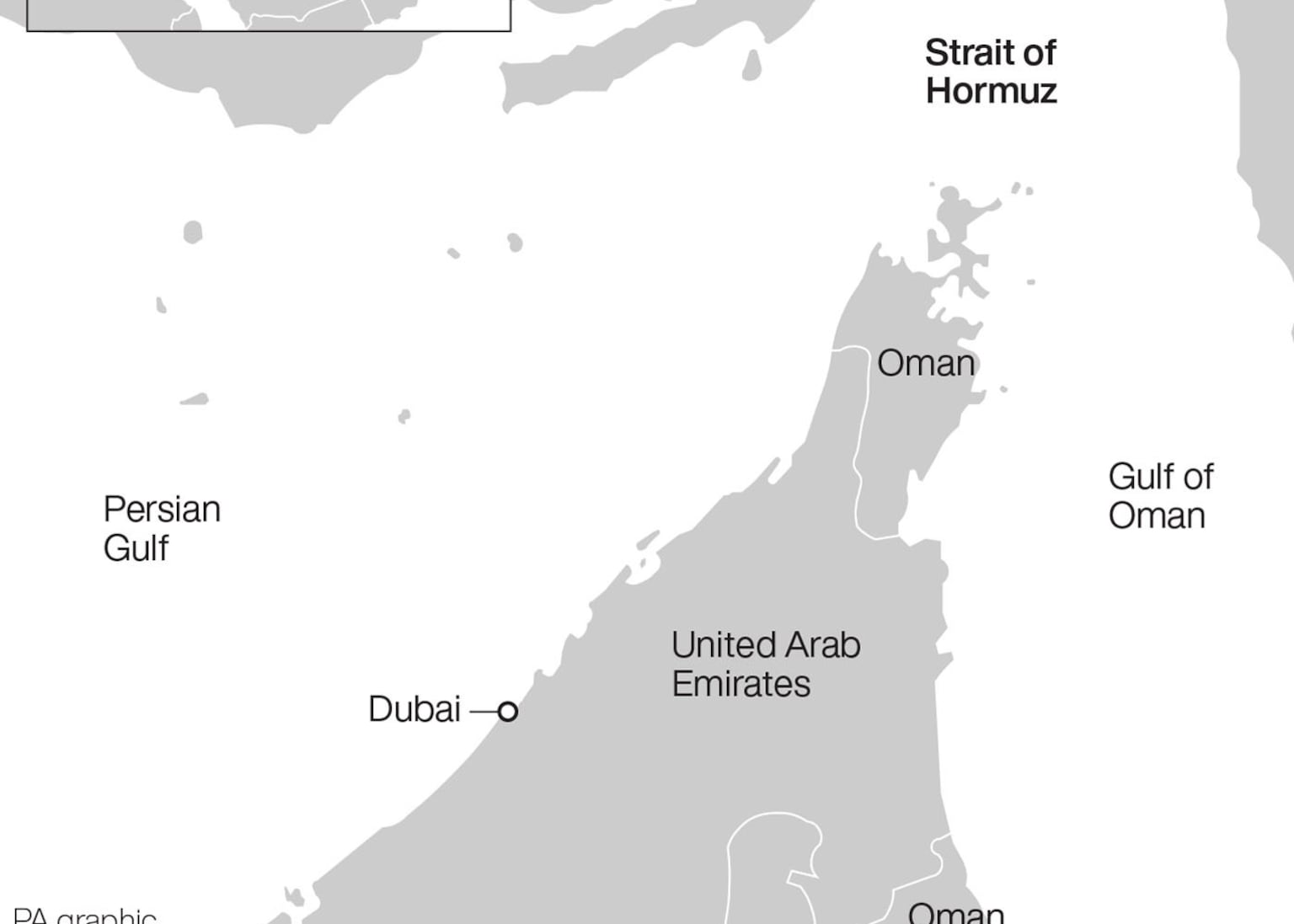
Iran has maintained a literal and metaphorical chokehold on the Strait of Hormuz, through which approximately 20% of the world’s crude oil passes. In a move that Gulf Arab nations have labeled “piracy,” Tehran has begun imposing “new management” rules on the waterway, reportedly charging some vessels upwards of $2 million to pass through its territorial waters.
The U.S. Response: Blockades and Diplomatic Pressure
President Donald Trump is facing immense domestic and international pressure to stabilize energy prices. His administration has implemented a U.S. Navy blockade designed to prevent Iranian tankers from reaching the open sea, effectively cutting off Tehran’s primary source of revenue.
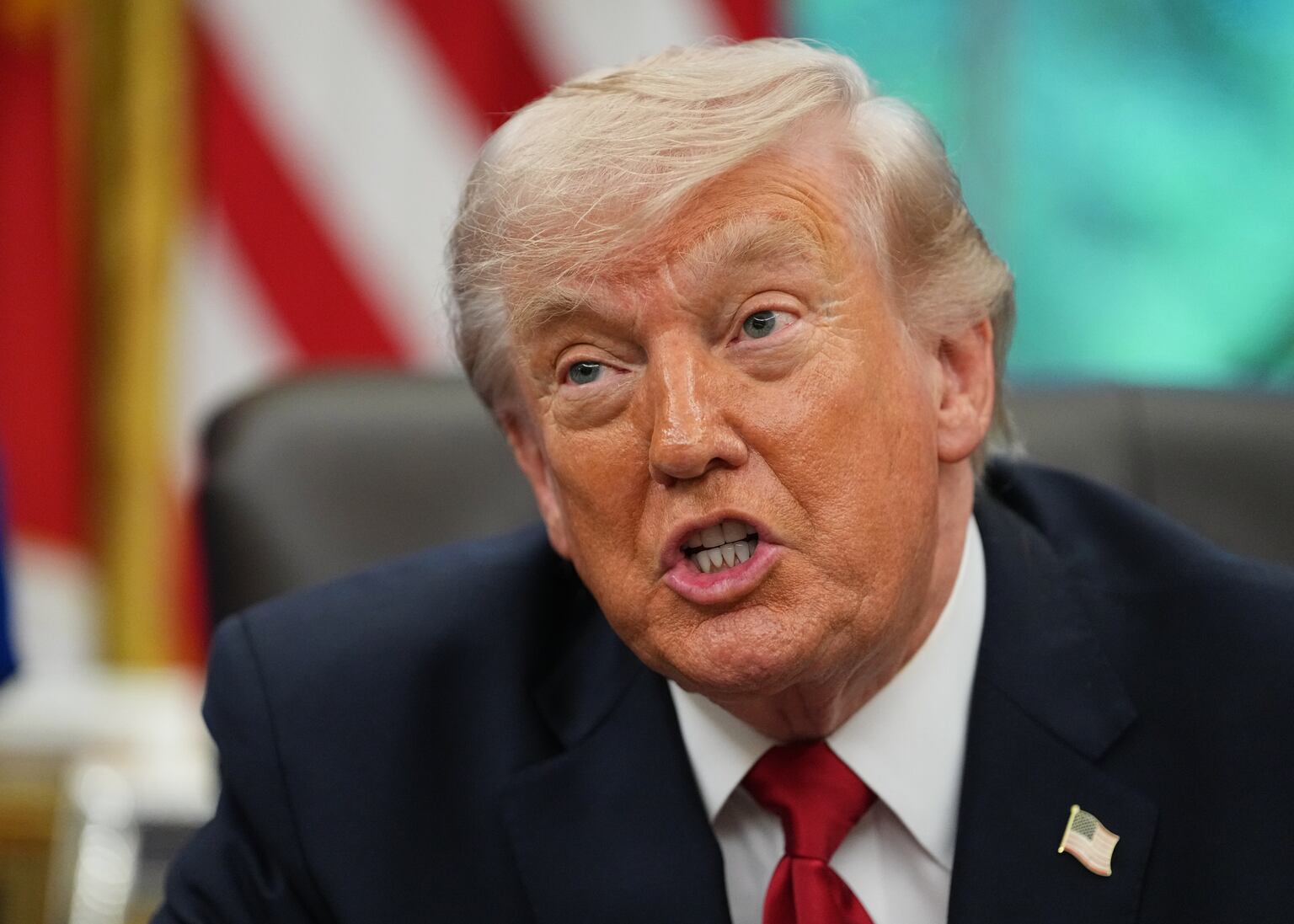
Trump’s strategy involves:
- Maintaining the Blockade: Starving the Iranian regime of the funds needed to sustain its military operations.
- Coordinating with Allies: Working with the UAE and Saudi Arabia to impose higher costs on Iran’s attempts to subvert the free flow of energy.
- Seeking a “Wider Deal”: Trump has explicitly stated that his goal is to deny Iran the ability to develop a nuclear weapon, a goal he views as the primary justification for the prior military engagements.
The Fragile Ceasefire and the Role of Pakistan
Despite the fiery rhetoric, there are back-channel efforts to prevent a return to full-scale war. Pakistan has emerged as a key mediator, facilitating indirect talks between Washington and Tehran.
Tahir Andrabi, a spokesperson for Pakistan’s Ministry of Foreign Affairs, recently noted that Islamabad is pushing for direct communication between the two sides. “If the two parties can engage in real-time conversations, that could ease the sticking points,” Andrabi stated. However, with Khamenei referring to the United States as the “Great Satan” and the U.S. maintaining its “maximum pressure” campaign, the bridge to direct diplomacy remains long and treacherous.
The Nuclear Standoff: A Point of No Return?
A recent Iranian proposal suggested pushing negotiations on the nuclear program to a later date, focusing instead on immediate maritime and economic issues. However, the Trump administration appears unwilling to decouple the nuclear issue from the broader regional security framework.
Iran’s enrichment of uranium at 60% purity is a significant technical milestone that places it within a short “breakout” period of producing weapons-grade material (90%). For the U.S. and its allies, any ceasefire that does not address this capability is seen as a temporary pause that allows Tehran to further solidify its nuclear threshold status.
Maritime Security: International Waters or Iranian Lake?
The battle over the Strait of Hormuz is not just about oil; it is about the fundamental principles of international maritime law. While the international community views the strait as an international waterway open to all, Khamenei’s “new rules” suggest a paradigm shift where Iran exerts sovereign control over all traffic.
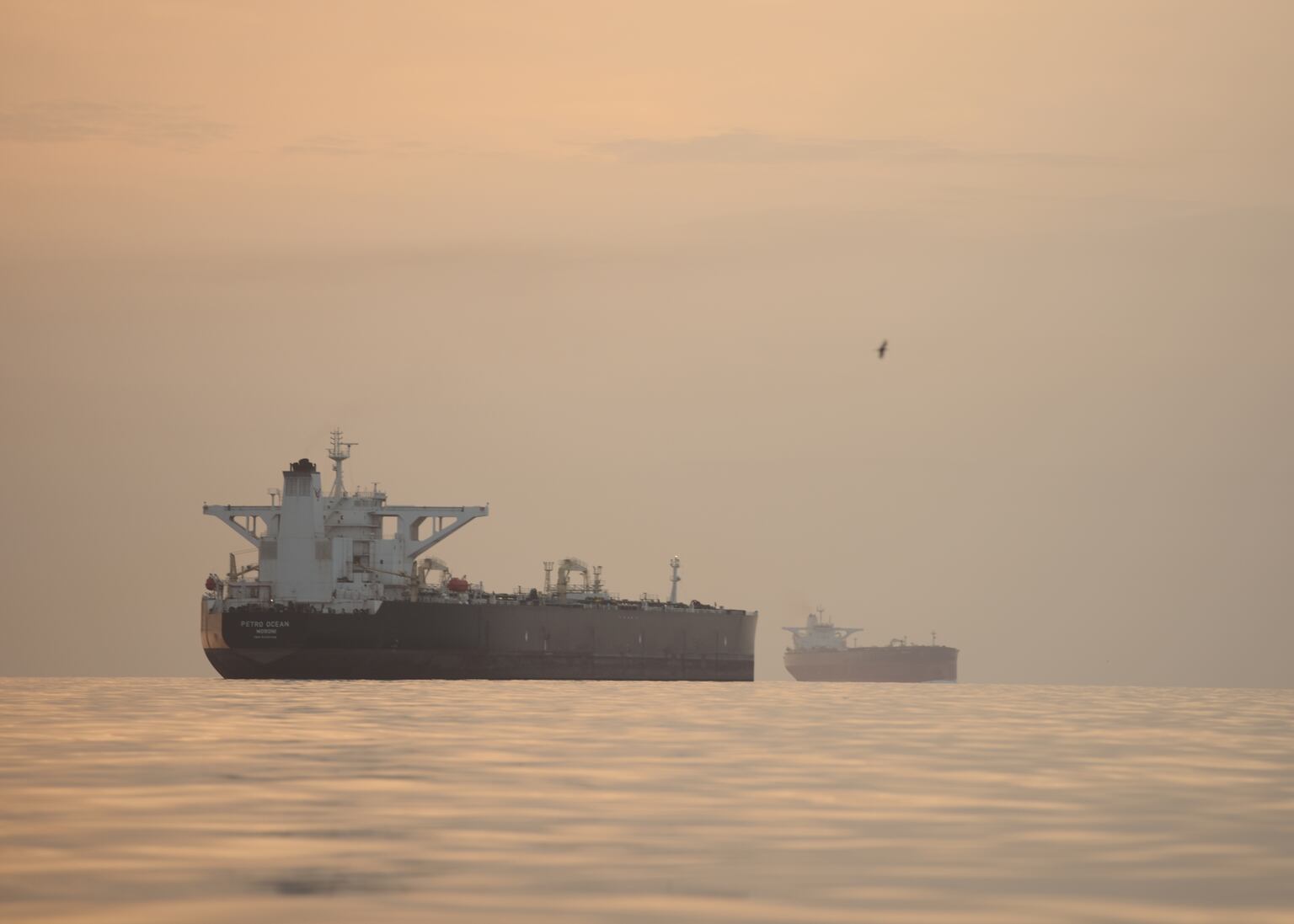
The UAE and other Gulf nations have decried these actions, fearing that if Iran is allowed to set a precedent for charging “tolls” in the strait, the security of the entire region will be permanently compromised. The U.S. plan to reopen the strait involves a complex coordination of naval assets to protect non-Iranian shipping while maintaining the squeeze on Tehran’s exports.
Conclusion: The Path Ahead in 2026
As we move deeper into 2026, the standoff between the United States and Iran remains the world’s most dangerous flashpoint. The defiance of Ayatollah Mojtaba Khamenei suggests that the Islamic Republic is prepared to endure significant economic hardship to protect its technological and military achievements.
For President Trump, the challenge is to find a diplomatic off-ramp that does not look like a retreat, all while managing an energy crisis that threatens the global economy. With oil at $126 a barrel and a “new chapter” of regional history being written in the waters of the Persian Gulf, the margin for error is non-existent.
The coming months will determine whether the current ceasefire is a precursor to a lasting peace or merely the “eye of the storm” before a more devastating escalation. One thing is certain: Iran’s nuclear and missile programs have become more than just military assets—they are now the ultimate symbols of a regime fighting for its survival and its place in the modern world.