UK Terrorism Threat Level Hits ‘Severe’: Met Police Reviewing Pro-Palestine Marches Amid Political Turmoil

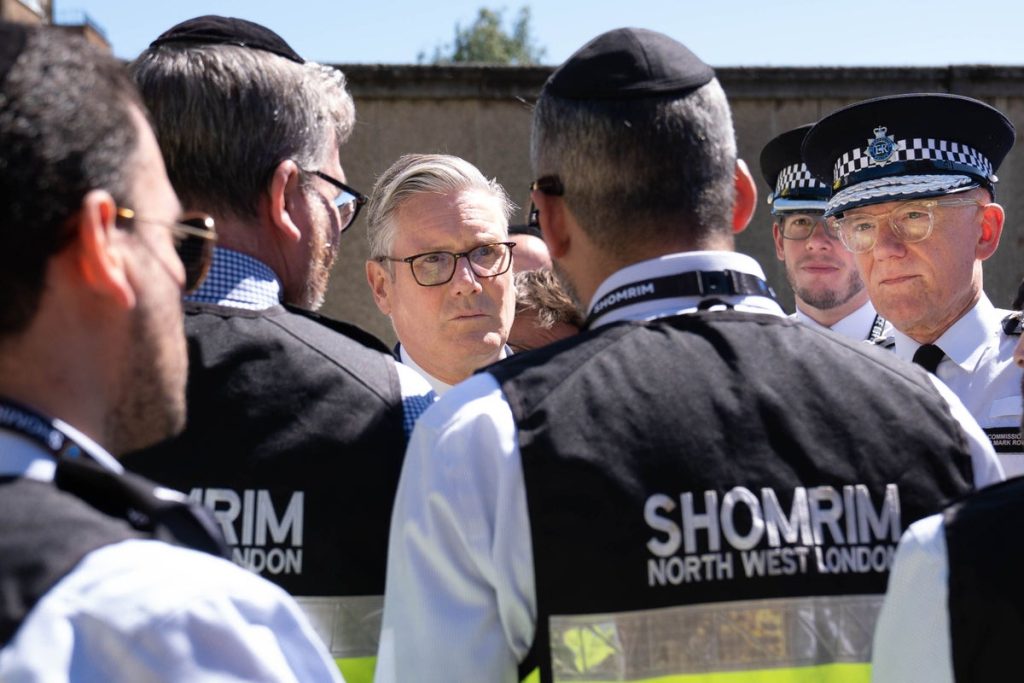
The security landscape in the United Kingdom has undergone a seismic shift in 2026. Following a harrowing stabbing incident in Golders Green, the UK’s terrorism threat level has been elevated to “severe,” signaling that a terrorist attack is considered “highly likely.” As the Metropolitan Police scramble to recalibrate national security, a fierce debate has erupted over the future of public demonstrations, specifically those organized in support of Palestine.
The tension has reached a boiling point not only on the streets of London but within the corridors of power, culminating in a high-profile, public clash between Metropolitan Police Commissioner Sir Mark Rowley and Green Party leader Zack Polanski.
The Golders Green Incident and the Shift in Security
The catalyst for this national introspection was the violent attack in Golders Green, which left two Jewish men—Shloime Rand and Moshe Shine—hospitalized. The suspect, identified as 45-year-old Essa Suleiman, was apprehended after being tasered by responding officers.
While the suspect had previously been flagged to the Prevent anti-extremism programme in 2020, the case was closed shortly thereafter. This revelation has sparked intense scrutiny regarding the efficacy of UK counter-terrorism oversight. Assistant Commissioner Laurence Taylor has confirmed that the Met is currently reviewing all upcoming events nationwide to determine whether they pose an unacceptable risk to public order and safety.
The Rowley-Polanski Clash: A Rare Public Confrontation
The operational pressure on the Met Police is being compounded by political friction. In a rare and sharp intervention, Commissioner Sir Mark Rowley publicly criticized Green Party leader Zack Polanski.
The disagreement stemmed from a social media post shared by Polanski, which alleged that police officers had been captured on video “repeatedly and violently kicking a mentally ill man in the head” during an arrest. Sir Mark Rowley did not mince words, labeling the post “inaccurate and misinformed.”
Why the Clash Matters
The Chilling Effect: Commissioner Rowley argued that such rhetoric from public figures undermines police authority and could have a “chilling effect” on officers performing difficult duties.
Accountability vs. Misinformation: Polanski’s supporters argue that public figures have a duty to hold the police to account, particularly regarding the use of force.
Institutional Strain: This clash highlights the growing divide between law enforcement agencies and political advocates as they navigate the volatile atmosphere surrounding the ongoing Middle East conflict.
A spokesperson for the Green Party noted that Polanski is well aware of the “difficult situation” authorities face, yet the public nature of the rebuke suggests that the Met is increasingly sensitive to how its operations are framed in the digital age.
Should Pro-Palestine Marches Be Banned?
The question of whether to ban pro-Palestine marches has moved from the fringes to the center of government discourse. Prime Minister Sir Keir Starmer has faced mounting pressure to implement a blanket ban on these demonstrations, particularly as concerns grow over slogans such as “globalise the intifada.”
The Case for Restriction
Proponents of a ban argue that:
- Public Safety: With the threat level at “severe,” the potential for flashpoints or copycat attacks is at an all-time high.
- Community Cohesion: Critics argue that the frequency and nature of these protests are creating an environment of intimidation for Jewish communities.
- Resource Drain: Policing these marches requires thousands of officers, pulling them away from other critical crime-fighting duties.
The Case Against Restriction
Conversely, the Stop the War Coalition and other advocacy groups maintain that:
Democratic Rights: The right to peaceful protest is a cornerstone of British democracy that should not be sacrificed due to the actions of extremists.
False Equivalence: Organizers have labeled attempts to link their peaceful demonstrations to the Golders Green attack as “false” and “politically motivated.”
Exclusion Zones: Recent efforts to create exclusion zones around Westminster have already faced legal challenges, with critics calling the government’s approach increasingly “authoritarian.”
The Legal and Operational Reality in 2026
The Metropolitan Police are currently walking a tightrope. On one side, they face the legislative push from the Home Office to utilize broader powers to curb protests. On the other, they are bound by the Human Rights Act and the necessity of maintaining impartiality.
Recent history suggests that the Met is willing to take aggressive action when deemed necessary. The force has recently banned Palestine Action from protesting outside Parliament, citing the group’s status as an organized extremist entity. This move was met with significant backlash, leading to violent clashes in Trafalgar Square as demonstrators protested what they perceived as an erosion of civil liberties.
Key Factors Shaping the Decision
The “Severe” Threat Level: This is the primary driver for any potential ban. If intelligence suggests a specific march acts as a magnet for bad actors, the Home Office is empowered to intervene.
The “Nakba Day” Demonstrations: With major events planned for mid-May, the Met is under immense pressure to decide whether to allow these gatherings to proceed.
- Public Opinion: As the conflict continues to evolve, the British public remains deeply divided, forcing the police to balance the safety of the Jewish community with the right to assembly for pro-Palestinian activists.
Conclusion: A Delicate Balancing Act
As we move through 2026, the situation remains highly fluid. The Metropolitan Police are no longer just managing protests; they are managing a national security crisis. The clash between Sir Mark Rowley and Zack Polanski is a symptom of a broader societal fracture where the boundaries of free speech, police accountability, and public safety are being tested daily.
Whether the government chooses to enact a formal ban on these marches remains to be seen. However, one thing is certain: the era of “business as usual” for protest policing in London has come to an end. The priority for the Met will continue to be the prevention of violence, even if that means coming into direct conflict with those who claim the right to protest is being unfairly curtailed.