Beyond the Speculation: Trump Clarifies Secret Service Shooting at WHCA Dinner

The security landscape in Washington D.C. has been fundamentally altered following the harrowing events at the 2026 White House Correspondents’ Association (WHCA) dinner. As the dust settles on an investigation that gripped the nation, President Donald Trump has stepped forward to provide a definitive account regarding the injury of a Secret Service agent during the breach. Amidst swirling rumors and viral social media theories suggesting the officer was struck by “friendly fire,” the President and Secret Service leadership have moved to set the record straight.
The Incident: A Breach at the Doorstep of Power
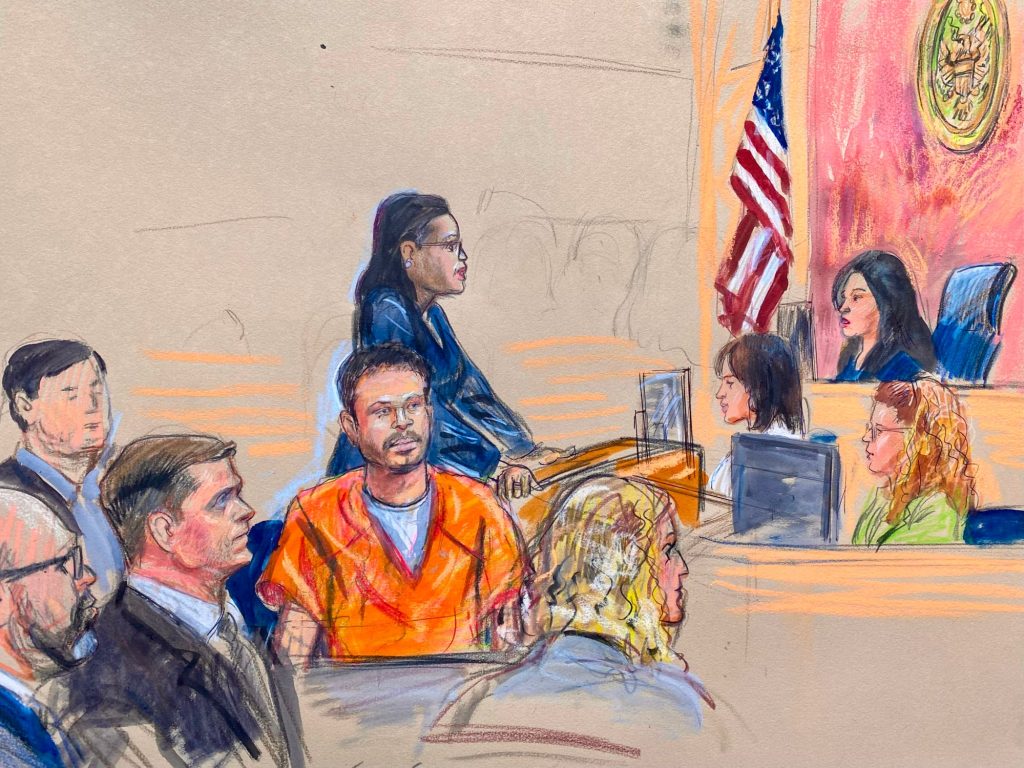
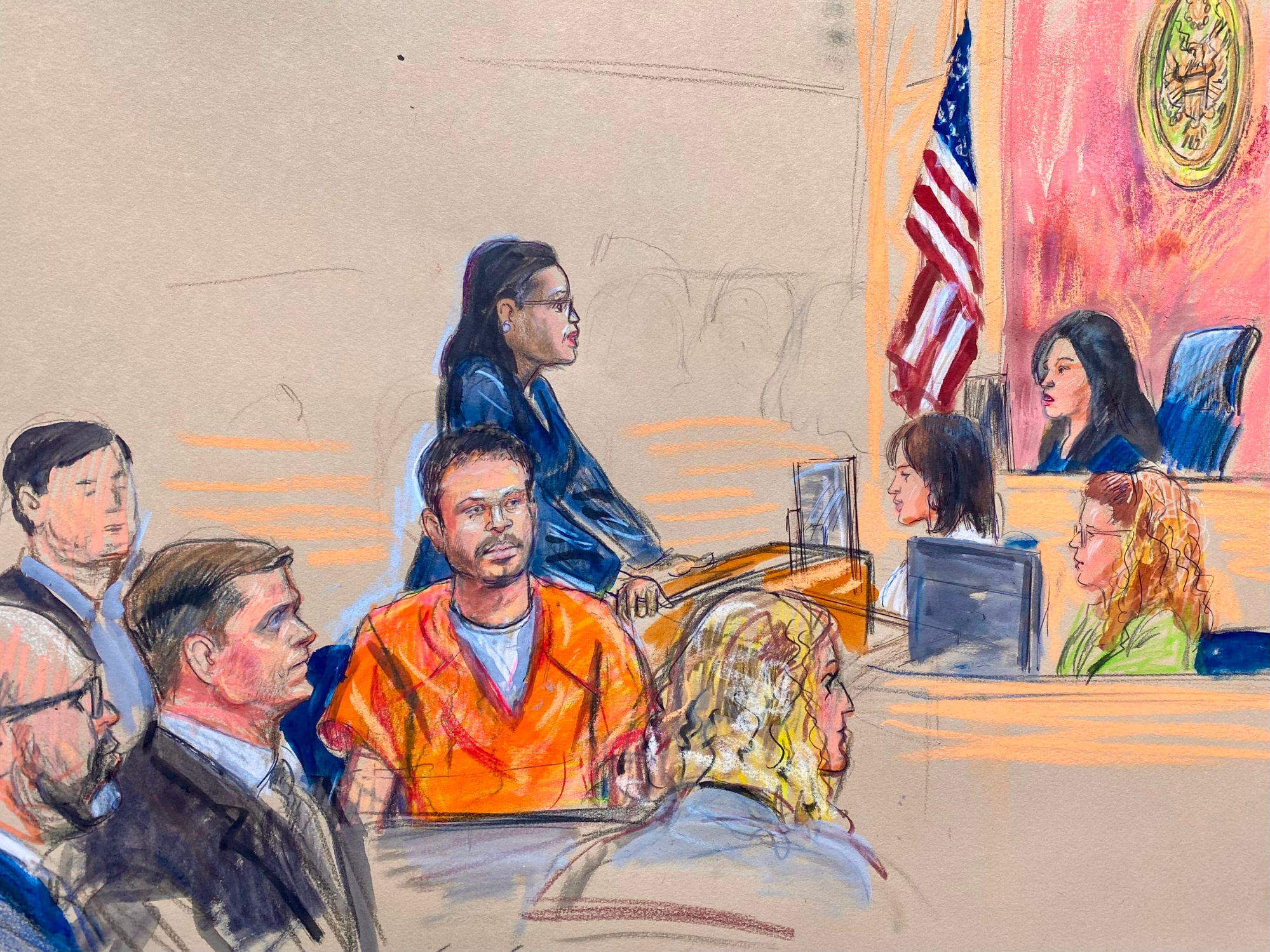
On the night of the gala, the atmosphere shifted from celebration to chaos when 31-year-old Cole Tomas Allen allegedly attempted to infiltrate the secure perimeter. As high-ranking administration officials, journalists, and guests dined just steps away, Allen reportedly rushed a security checkpoint.
According to Secret Service Director Sean Curran, the confrontation was immediate and brutal. The agent, who was protected by a bullet-resistant vest, was struck at “point-blank range” by the suspect. Despite the intensity of the assault, the officer managed to maintain composure, returning fire with five shots before the suspect was ultimately subdued near the entrance to the ballroom.
Debunking the Friendly Fire Narrative
In the hours following the incident, digital platforms became a breeding ground for speculation. Some observers, analyzing grainy footage of the struggle, posited that the agent’s injury might have been the result of a crossfire incident involving fellow law enforcement officers.
President Trump’s Definitive Stance
President Trump addressed the media directly from the Oval Office, aiming to quash the narrative that the injury was self-inflicted by security forces. “They said it wasn’t friendly fire. It wasn’t us,” the President stated clearly. His comments serve as a strategic effort to maintain public confidence in the integrity and precision of the Secret Service, especially during a time of heightened political tension.
The Role of Video Evidence
The release of official footage has been a cornerstone of the transparency effort. Federal prosecutors and Secret Service leadership have utilized this visual data to illustrate the sequence of events. By showing the suspect’s direct engagement with the agent, authorities are attempting to close the door on conspiracy theories that have threatened to undermine the official investigative findings.
Analyzing the Security Protocol
Director Curran has been steadfast in his defense of the security measures employed that evening. Despite the breach, he maintains that the site was “set up perfectly” and that he would not alter the defensive strategy if given the chance to repeat the night. This unwavering confidence highlights the inherent difficulties in protecting high-profile figures in an era of increasing political violence.
The Bulletproof Vest Debate
The incident has reignited a conversation regarding the personal security of the President. When asked if he would consider wearing a bulletproof vest more frequently, Trump’s response was characteristically blunt. Beyond the physical discomfort—joking about not wanting to look “20 pounds heavier”—the President touched on the psychological aspect of protection. He expressed a reluctance to be seen as “giving in to a bad element,” reflecting a desire to maintain an image of strength and normalcy despite the escalating threats.
The Suspect: Cole Tomas Allen
The investigation into the gunman, Cole Tomas Allen, is ongoing. Court documents reveal a complex picture of a man who managed to gain access to the hotel as a guest, bypassing initial layers of security before reaching the critical checkpoint.
While earlier court filings were noted for their lack of specific details regarding the shooting—leading to confusion and media speculation—the latest updates from the Department of Justice and the Secret Service have provided a more coherent timeline. The focus remains on whether Allen acted alone or was part of a broader, more sinister plot targeting the administration.
The Broader Implications for Political Security
The 2026 WHCA dinner shooting is not an isolated event; it is part of a concerning pattern of political unrest that has permeated the United States. The vulnerability of the “people who protect the people” has become a central theme in national security discourse.
Challenges for Federal Agencies
- Adaptive Threats: Law enforcement is increasingly dealing with individuals who are willing to charge security checkpoints with the intent to cause harm to high-value targets.
- The Speed of Misinformation: The “friendly fire” narrative gained significant traction on social media before official reports could be verified. This illustrates the challenge agencies face in controlling the information narrative during active crises.
- Public Perception: Maintaining the image of an impenetrable Secret Service is vital for the stability of the executive branch. Every breach, even those successfully repelled, requires a massive effort to restore public trust.
Looking Ahead: A New Standard for Executive Protection?
As federal authorities continue to process the evidence, the question remains: what changes will be implemented in the wake of this attack? While Director Curran suggests the current protocols are sufficient, the reality of the threat environment suggests that the agency will likely undergo a rigorous internal review.
The President’s own attitude toward his security detail—balancing the necessity of safety with the desire for accessibility—will continue to be a point of public interest. As we move further into 2026, the intersection of political rhetoric, security preparedness, and the rapid spread of digital information will define the safety of America’s top officials.
The events at the dinner were a stark reminder that even in the most secure environments, the thin line between order and chaos is constantly tested. For now, the narrative has shifted from one of internal failure to one of individual heroism, with the Secret Service emphasizing that their agents performed their duties exactly as trained under the most extreme conditions.