Breaking the Deadlock: Iran Submits New Proposal to End Conflict and Reopen Hormuz

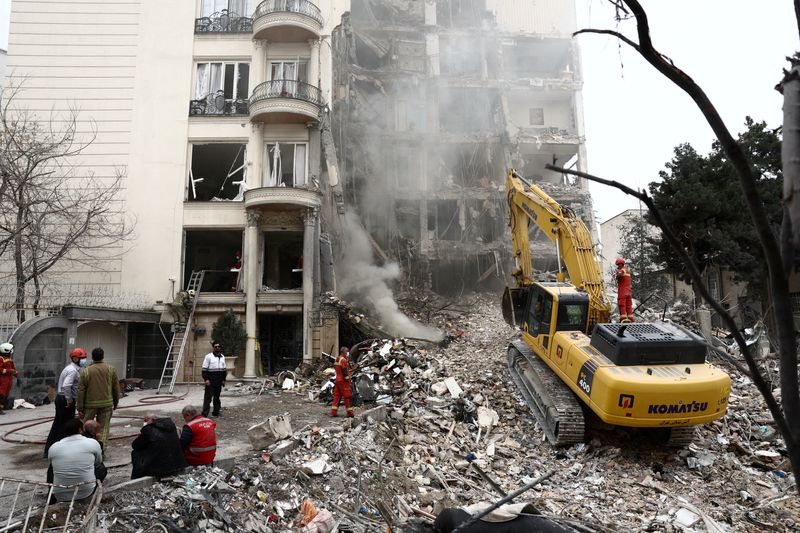
The geopolitical landscape of the Middle East remains on a knife’s edge as we move into mid-2026. After months of intense kinetic warfare, disrupted energy markets, and a global economic tremor triggered by the closure of the Strait of Hormuz, a glimmer of diplomatic hope has emerged. Tehran has officially submitted a fresh proposal for negotiations with the United States, delivered through Pakistani mediators, aimed at ending the hostilities that have ravaged the region since the spring.
As global oil prices continue to fluctuate in response to the news, the international community is watching closely. While the White House remains tight-lipped, the submission of this document suggests that both Washington and Tehran are exploring off-ramps from a conflict that has already cost thousands of lives and threatened to spiral into a broader, uncontrollable regional war.
The Diplomatic Pulse: A New Path Toward De-escalation?
The latest proposal, transmitted late last Thursday, represents a critical juncture in the ongoing Iran-U.S. standoff. For weeks, the conflict has been defined by a precarious ceasefire and the looming threat of further military escalation. President Donald Trump, who previously expressed deep dissatisfaction with earlier diplomatic drafts, is now under pressure to balance domestic economic concerns—specifically the rising cost of gasoline—with his administration’s hardline stance on Iranian nuclear ambitions.
What Is on the Table?
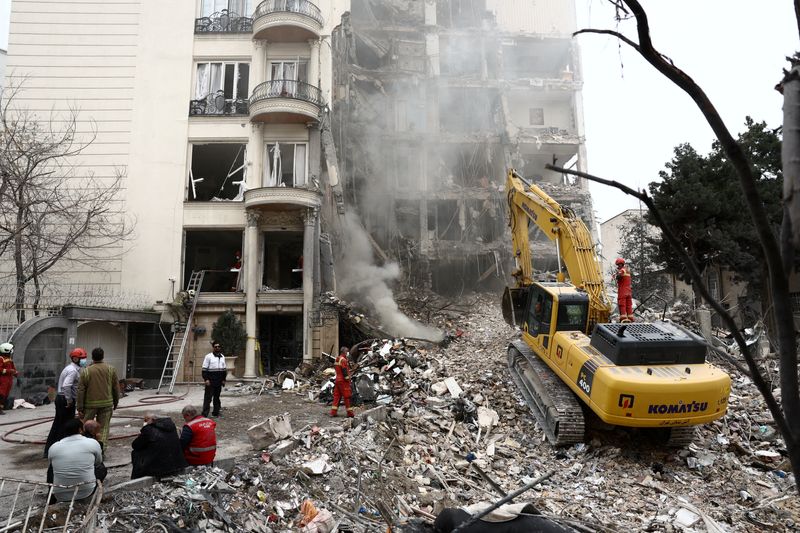
While the full text of the proposal remains confidential, sources close to the negotiations suggest that Iran is aiming for a comprehensive de-escalation package. Key elements of the proposal reportedly include:
A Permanent Ceasefire: Establishing a durable end to the hostilities between Iranian forces and U.S. regional assets.
Strait of Hormuz Access: Potential terms for reopening the vital shipping lane, which currently accounts for a 20% disruption in global oil and gas supplies.
Sanctions Relief: Addressing the primary and secondary U.S. sanctions that have crippled the Iranian economy.
Regional Security Assurances: Guarantees against future military strikes on Iranian territory or its regional proxies.
However, a significant hurdle remains: the U.S. demand for strict, verifiable restraints on Iran’s nuclear program. Tehran has historically maintained that its nuclear activities are purely for civilian purposes, and the current proposal appears to prioritize immediate regional stability over the nuclear impasse, a strategy Washington has been historically hesitant to accept.
The Economic Stakes: Why the World Is Watching the Strait
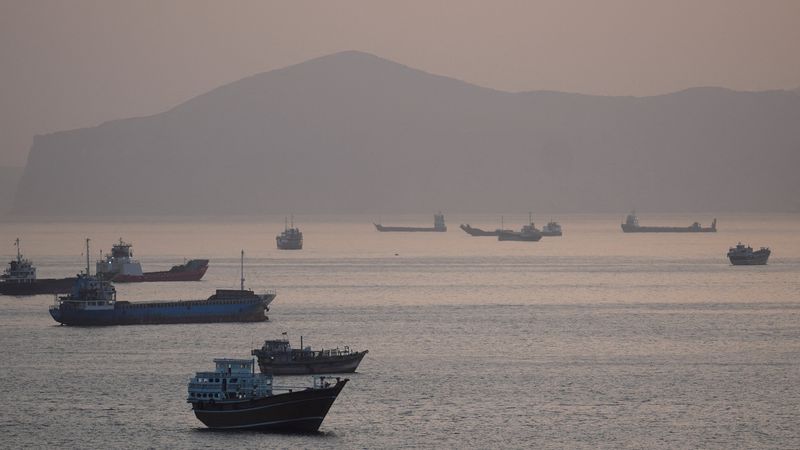
The closure of the Strait of Hormuz has been the primary driver of global economic anxiety throughout 2026. With nearly one-fifth of the world’s energy supplies trapped behind a blockade, energy markets have experienced unprecedented volatility.
Energy Markets and Inflationary Pressure
The economic impact of the conflict is no longer confined to the Middle East. From Tokyo to London, the record-high oil prices have fueled inflation, leading to fears of a global recession. The U.S. Treasury’s warning to shippers—threatening sanctions for paying tolls to Iranian authorities—has further complicated the logistical nightmare, effectively forcing the global fleet to avoid the area entirely.
The U.S. administration is currently weighing its options, including the formation of a “Maritime Freedom Construct.” This proposed coalition of international partners aims to secure shipping lanes, but many European allies have signaled that they will only participate once a formal, lasting peace deal has been solidified.
The Military Reality: A Fragile Equilibrium
Despite the diplomatic flurry, the military situation remains volatile. Iran has reinforced its air defense systems, signaling that it is prepared for a “short, intensive” engagement should the diplomatic path fail. Meanwhile, the U.S. military has been evaluating potential ground-based strategies to clear the Strait, a move that would undoubtedly escalate the conflict into a full-scale regional war.
The Risk of Miscalculation
With the 1973 War Powers Resolution deadline looming, the U.S. government is at a crossroads. While the White House has suggested that the current ceasefire effectively terminates “hostilities” under legal definitions, the reality on the ground is far more fluid.
- Iranian Readiness: Revolutionary Guard officials have warned that any renewed aggression would be met with “long and painful strikes” on U.S. regional bases and naval assets.
- The Israeli Factor: With Lebanon-based Hezbollah also involved in the exchange of fire, any U.S.-led strike on Iran would likely trigger a multi-front conflict involving Israel, further complicating the diplomatic landscape.
- Public Sentiment: As the November midterm elections approach, the U.S. administration is feeling the heat regarding domestic fuel prices. A swift resolution that brings gas prices “dropping like a rock” is a political necessity for the current leadership.
Analysis: Is Peace Truly Possible?
The path to a definitive peace treaty is fraught with historical baggage and mutual distrust. Iran’s call for a “guaranteed permanent ceasefire” is at odds with Washington’s insistence on addressing long-term nuclear proliferation. Furthermore, regional neighbors like the UAE have expressed profound skepticism, noting that any unilateral deal brokered by Tehran must be viewed with caution given the “treacherous aggression” witnessed in recent months.
However, the sheer economic exhaustion of both sides suggests that a deal is more plausible today than it was in early 2026. Both nations are currently operating in a state of suspended animation—neither fully at war, nor truly at peace. The involvement of Pakistan as an intermediary provides a neutral ground that has allowed for the exchange of proposals without the immediate pressure of face-to-face confrontation.
Conclusion: The Long Road Ahead
As we look toward the remainder of 2026, the submission of this new proposal is a necessary first step, but it is far from a conclusion. The international community must remain vigilant as the details of the plan are scrutinized by the White House and regional stakeholders.
While the prospect of reopening the Strait of Hormuz offers a lifeline to the global economy, the underlying issues—nuclear policy, regional hegemony, and deep-seated mistrust—will require more than a single document to resolve. For now, the world waits to see if this diplomatic overture will result in a lasting ceasefire or if the cycle of violence will once again dominate the headlines.