Galway Mosque Terror Plot: Four Men Face Special Criminal Court Trials in Landmark Security Case

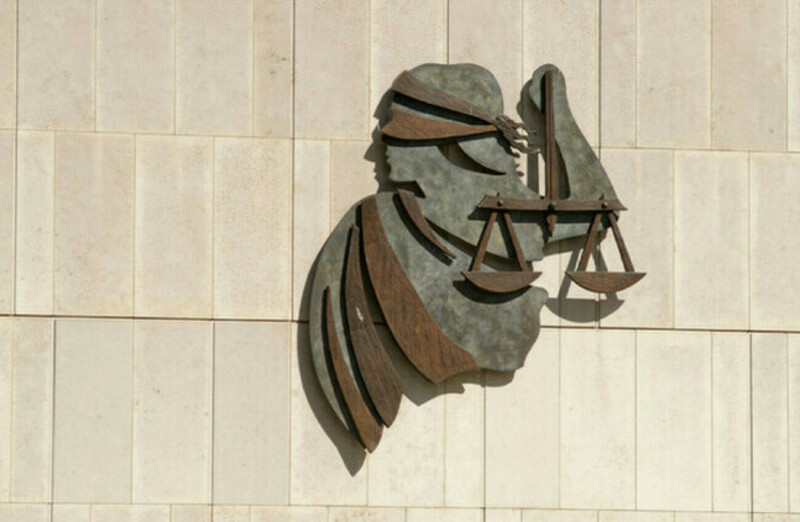
The landscape of Irish national security has been thrust into the spotlight once again as four men prepare to stand trial at the non-jury Special Criminal Court. This high-stakes legal proceeding follows an alleged plot to carry out a terrorist attack on the Maryam Mosque in Galway during the winter of 2025. As we move through 2026, the case remains one of the most significant counter-terrorism prosecutions in recent Irish history, highlighting the evolving nature of domestic threats and the state’s robust legal response.
The decision to move the trial to the Special Criminal Court—a venue typically reserved for cases where the ordinary courts are deemed inadequate to ensure the effective administration of justice—underscores the gravity of the allegations. The charges involve not only the intent to cause massive structural damage but also a motivation rooted in aggravated hatred, a factor that has sparked intense public debate regarding social cohesion in modern Ireland.
The Alleged Plot: A Timeline of Terror
The core of the State’s case rests on events that allegedly transpired between November 4 and 5, 2025. According to investigators, a coordinated effort was made to target the Maryam Mosque, located at Old Cottages, Monivea Road, Galway. The prosecution alleges that the four defendants attempted to engage in terrorist-linked activity by planning to damage the religious site by fire.
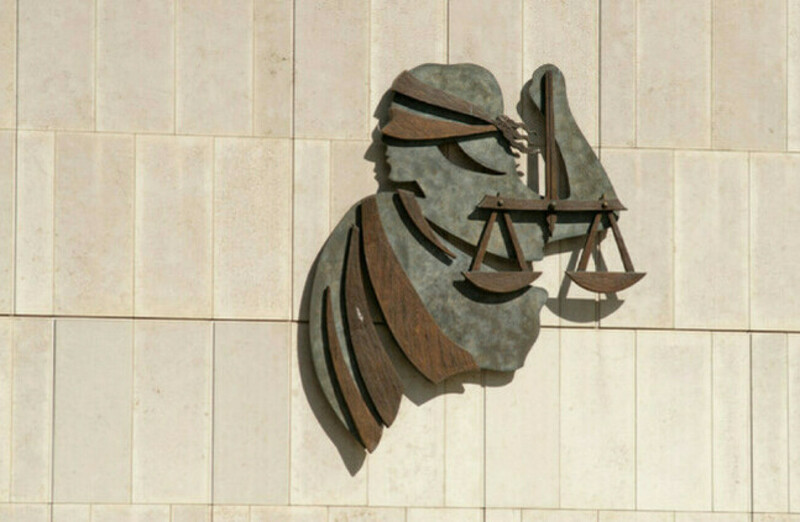
The Maryam Mosque is a cornerstone of the local Muslim community, and the news of the alleged plot sent shockwaves through the “City of Tribes.” The charges specify that the intent was to cause damage or, at the very least, demonstrate a reckless disregard for the property and the lives of those within it. Crucially, the prosecution has flagged the offence as being aggravated by hatred, a legal distinction that carries significant weight in sentencing and public perception.
Profiles of the Accused
The four men facing these serious charges hail from various parts of the island, suggesting a cross-county connection that has been a focal point for the Garda Special Detective Unit.
- Darren Gorman (33): Resident of O’Moore Place, Portlaoise, Co. Laois.
- Charles Flynn (35): Resident of Castlerock Avenue, Castleconnell, Co. Limerick.
- Garrett Pollock (35): Resident of Kilhorne Greene, Annalong, Co. Down.
- Karolis Peckauskas (38): Resident of Newfoundwell Road, Drogheda, Co. Louth.
The diverse geographical backgrounds of the accused have led to questions about how these individuals allegedly organized and communicated. The trial is expected to shed light on the digital or physical networks that may have facilitated the alleged coordination of the November 2025 plot.
The Arsenal: Weapons and Explosive Substances
Perhaps the most chilling aspect of the case is the inventory of items seized by authorities during the initial arrests. Two of the defendants, Karolis Peckauskas and Garrett Pollock, face additional charges that paint a picture of a well-prepared operation.
Offensive Weapons in Portlaoise
On November 4, 2025, a silver BMW at O’Moore Place, Portlaoise, was found to contain:
Two hatchets
A knuckle duster
A hunting knife
These items form the basis of charges under Section 9 (5) of the Firearms and Offensive Weapons Act, 1990. The presence of such weapons suggests a readiness for physical confrontation beyond the alleged arson plot.
Explosive Components and Accelerants
The technical nature of the charges involving explosives indicates a sophisticated level of planning. Peckauskas and Pollock are accused of possessing:
Four threaded pipe end caps
Six litres of hydrogen peroxide
Furthermore, Garrett Pollock faces specific charges relating to a “glass jar with a metal lid, a cloth fuse, matches, and tape,” along with substances identified as EMCG1 through EMCG10. These liquids and powders were found to contain hydrocarbon fire accelerants, specifically petrol. The prosecution contends that these materials were held under circumstances giving rise to a reasonable suspicion that they were not for a lawful object.
Why the Special Criminal Court?
The Director of Public Prosecutions (DPP) successfully applied to have the case heard before the Special Criminal Court. This move is significant for several reasons:
Non-Jury Environment: The court consists of three judges rather than a jury. This is often done in cases involving organized crime or terrorism where there is a perceived risk of jury intimidation.
Security Context: Given the “terrorist activity” designation, the State argues that the Special Criminal Court is the only appropriate venue to handle the sensitive evidence and security protocols required for such a trial.
Judicial Oversight: Mr. Justice Patrick McGrath, presiding alongside Judge Sarah Berkeley and Judge Fiona Lydon, will determine the verdict. This ensures that complex legal definitions regarding “terrorist activity” and “hate-aggravated offences” are interpreted with high judicial precision.
The 2026 Perspective: Social and Legal Impact
As the trial prepares to resume on May 11, 2026, the social climate in Ireland remains tense. The alleged targeting of a mosque has forced a national conversation on the rise of violent right-wing extremism. For years, Ireland was seen as relatively insulated from the radicalization patterns observed in mainland Europe and the UK. However, the events of late 2025 and the subsequent 2026 legal proceedings have shattered that illusion.
Analysis: The “Hatred” Aggravation
The inclusion of “hatred” as an aggravating factor is a pivotal legal development. It reflects the Irish government’s commitment to tackling crimes that target specific community identities. If convicted, the “hatred” element could lead to significantly harsher penalties, serving as a deterrent for future ideologically motivated crimes.
Community Resilience in Galway
In Galway, the Maryam Mosque has received an outpouring of support from interfaith groups and local citizens. The “Galway Together” movement, which gained momentum in early 2026, serves as a counter-narrative to the alleged plot, emphasizing that the city remains a place of inclusion despite the actions of a few.
What to Expect in the Coming Months
The defendants are required to appear in person on May 11, where the trial’s timeline will be further solidified. Legal experts expect a lengthy process, as the defense is likely to challenge the “reasonable suspicion” surrounding the possession of the chemicals and the intent behind the weapons.
Key points of contention will likely include:
Digital Forensic Evidence: How did the four men communicate, and does that communication prove a “terrorist plot”?
The Definition of Terrorist Activity: The defense may argue that the actions, while potentially criminal, do not meet the legal threshold of “terrorism” under Irish law.
- Chain of Custody: Scrutiny of how the explosive substances and accelerants were seized and tested.
Conclusion: A Test for the Irish Justice System
The trial of Darren Gorman, Charles Flynn, Garrett Pollock, and Karolis Peckauskas is more than just a criminal case; it is a test of Ireland’s ability to defend its democratic values against internal threats. The Special Criminal Court will play a vital role in balancing the rights of the accused with the safety of the public and the protection of minority communities.
As the world watches, the outcome of this case will set a precedent for how Ireland handles domestic terrorism and hate crimes in the latter half of the decade. For the residents of Galway and the members of the Maryam Mosque, justice isn’t just about a verdict—it’s about reaffirming that hatred has no place in Irish society.