The Great Transatlantic Pivot: Why Trump is Considering Troop Reductions in Germany, Italy, and Spain in 2026

The geopolitical landscape of 2026 has reached a fever pitch. As the conflict with Iran enters its third month, a seismic shift is occurring within the North Atlantic Treaty Organization (NATO). U.S. President Donald Trump has sent shockwaves through European capitals by announcing a comprehensive review of American military presence on the continent.
What began as a specific grievance against Germany has now expanded to include Italy and Spain, marking one of the most significant challenges to the transatlantic alliance since the end of the Cold War. This move, characterized by many as “retaliatory diplomacy,” highlights the deepening rift between Washington and its traditional allies over the conduct of the U.S.-led military campaign in Iran.
The Catalyst: A War-Time Rift and “Unhelpful” Allies
The primary driver behind this sudden reconsideration of troop levels is the ongoing war with Iran. President Trump has been vocal about his dissatisfaction with the level of support—or lack thereof—provided by European partners.
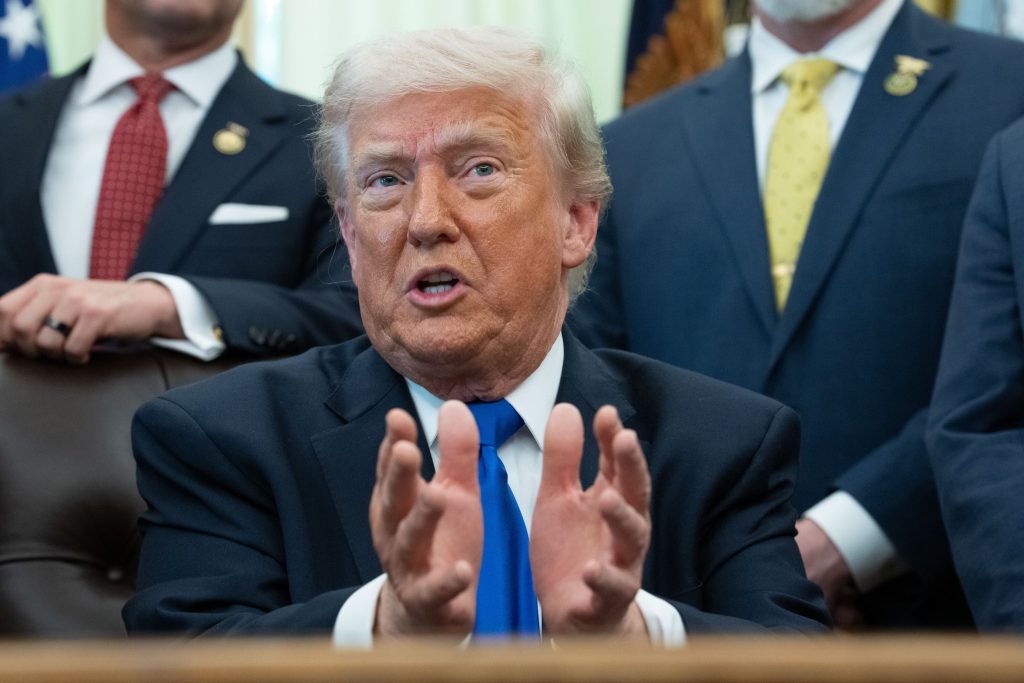
During a press briefing at the White House on the 30th of last month, Trump responded to questions regarding whether Spain and Italy would face similar troop reductions to those proposed for Germany. His response was blunt: “Perhaps.”
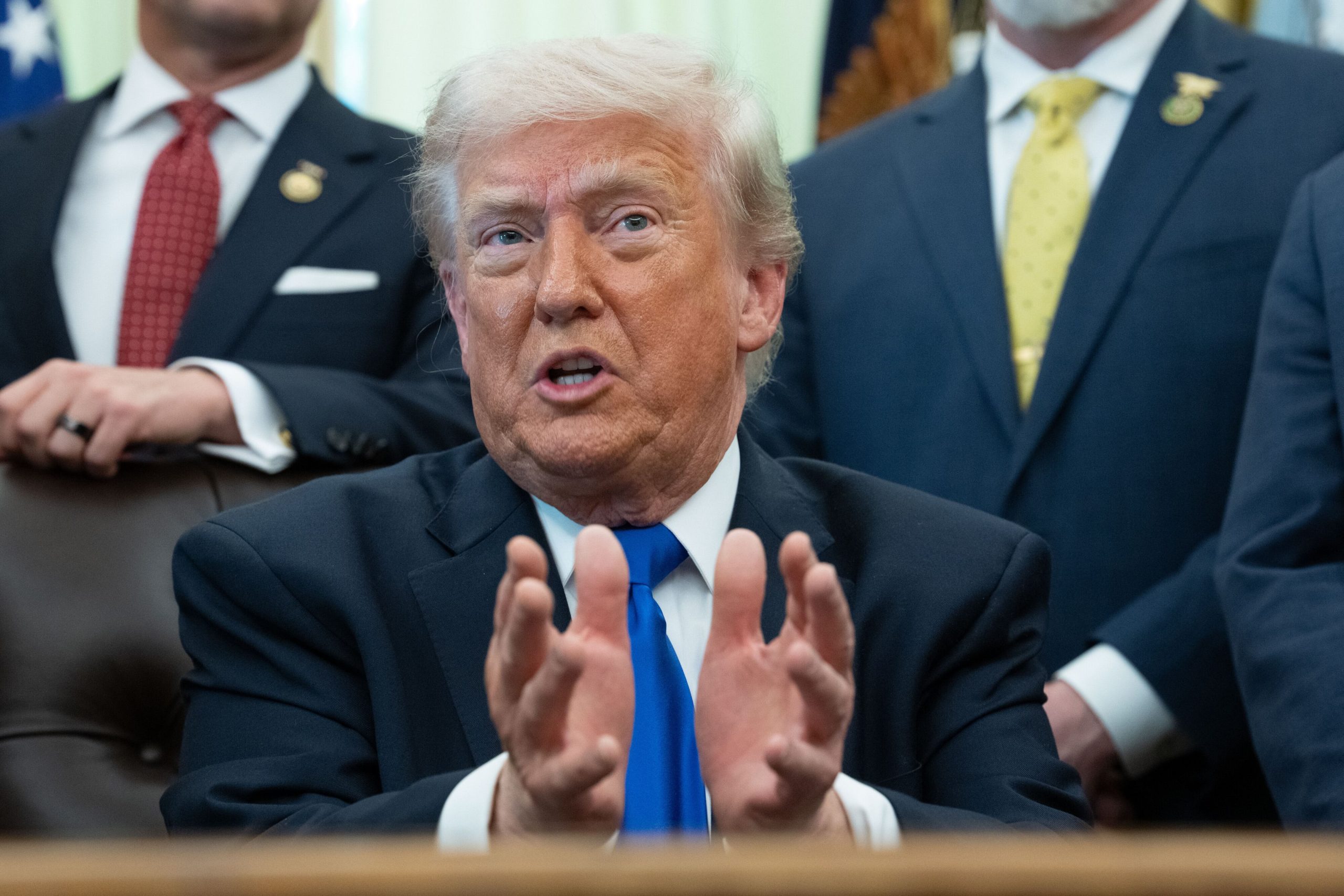
“Italy has not been helpful to us, and Spain has been terrible,” Trump stated, emphasizing that when the United States required strategic assistance, these nations were absent. “We must remember that,” he added, signaling that military deployments are now strictly tied to active wartime cooperation.
Spain: The Airspace Contention
Spain has emerged as the most defiant among the Mediterranean allies. The relationship soured significantly after Madrid implemented a ban on U.S. military aircraft passing through its airspace following the outbreak of the Iran war. For a U.S. military reliant on rapid deployment and logistics, this restriction is more than a diplomatic snub; it is a tactical hurdle that Trump appears unwilling to forgive.
Italy: The Vatican Fallout
In Italy, the situation is more personal. Prime Minister Giorgia Meloni, once a close ideological ally of Trump, has seen her relationship with the White House deteriorate rapidly. The friction stems from Trump’s escalating conflict with Pope Leo XIV, whose vocal opposition to the Iran war has resonated deeply within Italy. Meloni’s attempt to balance her domestic Catholic constituency with her international alliances has left her in a “no-man’s-land,” leading Trump to label the nation “unhelpful.”
Germany and the Merz-Trump Feud
While Italy and Spain are new targets, Germany remains the epicenter of the dispute. The tension between German Chancellor Friedrich Merz and President Trump has reached an all-time high.
Recently, Chancellor Merz publicly criticized the U.S. administration, stating that the United States was “suffering humiliation” in its negotiations with Tehran. This direct attack on Trump’s deal-making prowess was met with swift social media posts from the President, confirming that the U.S. is “studying and reviewing” the reduction of the roughly 35,000 troops currently stationed in Germany.
The German Response: Calm Before the Storm?
Interestingly, the German government has adopted a posture of “preparedness” rather than panic. Foreign Minister Johann Wadephul noted that these discussions are not entirely new.
Strategic Autonomy: Germany has been quietly bolstering its own defense capabilities.
NATO Coordination: Wadephul emphasized that Germany remains in close discussion with other NATO members.
Awaiting the Decision: The official stance is one of calm observation, though internal reports suggest the German economy could suffer if major bases are shuttered.
The Pentagon’s Dilemma: Strategic Reality vs. Political Will
While the White House signals a retreat, the U.S. Department of Defense (DoD) is reportedly in a state of “dismay.” According to sources cited by Politico, military planners were caught completely off guard by the President’s remarks.
Why Withdrawing is Logistically Difficult
Military experts and retired generals have been quick to point out that U.S. bases in Europe are not “favors” to the host countries, but essential hubs for American global power.
- Ramstein Air Base: Located in Germany, this is the primary hub for U.S. Air Forces in Europe and a critical casualty evacuation point for the Iran conflict.
- Landstuhl Regional Medical Center: The largest American military hospital outside the U.S., essential for treating soldiers wounded in the Middle East.
- The Cost of Relocation: Moving tens of thousands of troops, their families, and heavy equipment back to the U.S. or to eastern allies like Poland would cost billions of dollars—funds that are currently tied up in the Iran war effort.
Retired Lieutenant General Ben Hodges told The Wall Street Journal that these assets exist for U.S. national interests. “U.S. military assets in Germany are for the United States, not for anyone else,” he remarked, highlighting that a withdrawal could inadvertently weaken America’s own strategic reach.
The Geopolitical Fallout: Who Wins?
If the U.S. follows through with these reductions, the geopolitical map of Europe will be redrawn. There are several key stakeholders watching these developments closely:
Russia: President Trump reportedly held a phone call with Vladimir Putin shortly before announcing the Germany review. Critics fear that a U.S. withdrawal from Western Europe plays directly into Moscow’s long-term goals of a fractured NATO.
Poland and the Baltic States: These nations have expressed a willingness to host more U.S. troops. They remain the most steadfast supporters of Trump’s “tough on Iran” stance, hoping to capitalize on the shift away from Berlin and Madrid.
The European Union: A U.S. withdrawal could finally force the EU to realize its dream of “strategic autonomy,” creating a unified European army independent of Washington’s command.
SEO Analysis: A Transactional Foreign Policy in 2026
From an SEO perspective, the search trends for “Trump troop withdrawal 2026” and “NATO split Iran war” are skyrocketing. This reflects a public concern over the stability of global security. Trump’s approach is a return to “Transactional Diplomacy”—the idea that military protection is a service that must be paid for with political and tactical loyalty.
For businesses and travelers in Germany, Italy, and Spain, the potential withdrawal of thousands of U.S. personnel represents a significant economic shift. Local economies surrounding bases like Aviano (Italy) or Rota (Spain) are heavily dependent on American spending.
Conclusion: A Turning Point for the Alliance
The year 2026 may be remembered as the year the “Old World” and the “New World” finally parted ways on defense. President Trump’s consideration of troop reductions in Germany, Italy, and Spain is a clear message: The era of unconditional American protection is over.
Whether these threats are a negotiation tactic to force better cooperation in the Iran war or a genuine policy shift remains to be seen. However, the damage to the diplomatic fabric of NATO is already evident. As the Department of Defense scrambles to reconcile political rhetoric with strategic necessity, the world watches to see if the U.S. will truly bring its “boys home” or simply move them to friendlier shores.
Key Takeaways for 2026:
Germany faces the largest potential cut due to political friction between Trump and Merz.
Spain’s airspace ban has made it a primary target for “retaliatory” measures.
Italy’s soured relationship with the White House over religious and diplomatic conflicts puts its U.S. bases at risk.
The Pentagon remains opposed to the move, citing the irreplaceable nature of European infrastructure for the Iran war.