Pentagon Under Fire: Pete Hegseth Faces Senate Scrutiny Over Iran War Strategy

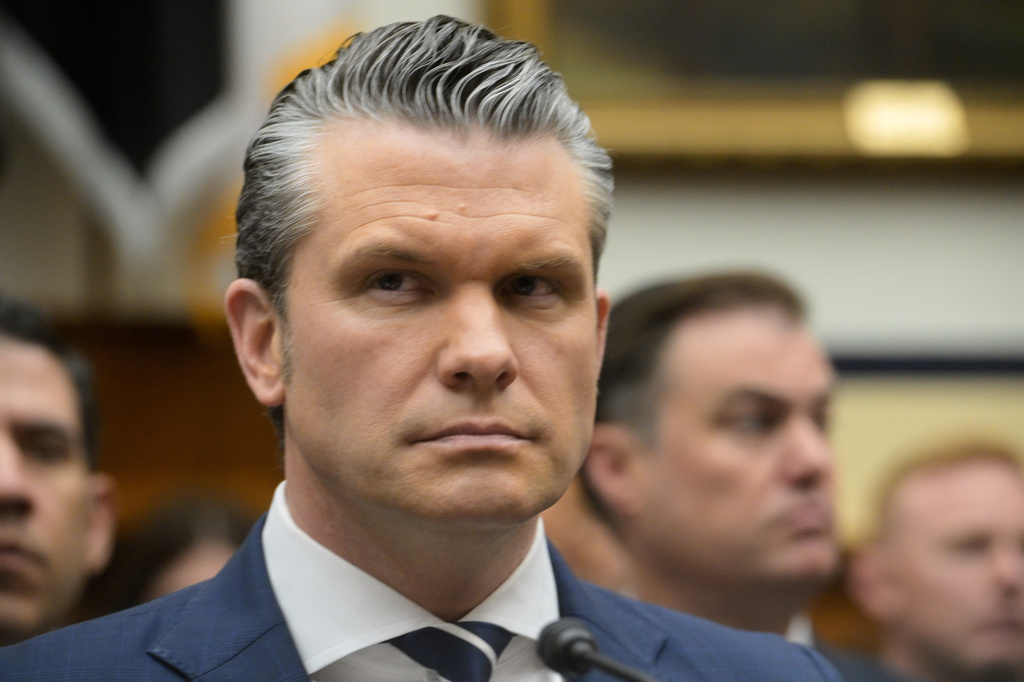
The corridors of Capitol Hill are crackling with tension this week as Defense Secretary Pete Hegseth prepares for his second consecutive day of high-stakes testimony. After a grueling, six-hour marathon session with the House Armed Services Committee, Hegseth now faces the Senate, where lawmakers are poised to dissect the administration’s handling of the ongoing conflict in Iran. As the war enters a volatile phase, the scrutiny over military spending, strategic objectives, and controversial leadership purges has reached a fever pitch in Washington.
A Contentious Debut: The House Hearing Recap
Wednesday’s hearing in the House was anything but routine. What was intended to be a presentation on the 2027 Pentagon budget—a staggering $1.5 trillion request—quickly devolved into a heated debate over the legality and necessity of the Iran war. Hegseth, known for his combative style, did not shy away from the confrontation, famously labeling the “defeatist words” of congressional critics as a primary adversary to American security.

However, the tone of the room remained icy. Democrats repeatedly pressed the Secretary on the lack of congressional authorization for the conflict, framing it as a “war of choice” that carries massive humanitarian and fiscal costs. With the conflict now having claimed $25 billion in munitions and sparked significant international outcry following a deadly strike on an Iranian school, the political pressure on the Pentagon is mounting.
Key Areas of Senate Interrogation
As the Senate Armed Services Committee convenes, members are expected to pivot from the House’s focus to broader strategic implications. The following areas remain the primary flashpoints for the upcoming session:
1. The $1.5 Trillion Defense Budget
The sheer scale of the 2027 military budget request is causing sticker shock among fiscal hawks and doves alike. Hegseth and Gen. Dan Caine, Chairman of the Joint Chiefs of Staff, are arguing that a historic increase in spending is essential to replenish stockpiles of drones, missile defense systems, and naval assets. Senators are expected to challenge whether this expenditure is sustainable given the lack of a clear “exit strategy” in the Middle East.
2. Strategy and the “Ceasefire” Dilemma
While the conflict is currently in a tenuous ceasefire, lawmakers are demanding to know what victory actually looks like. During Wednesday’s testimony, Democratic Rep. Adam Smith highlighted a massive contradiction: if Iran’s nuclear facilities were “obliterated” months ago, why is the war continuing? Hegseth’s assertion that Iran’s nuclear ambitions remain intact despite the strikes has left many legislators questioning the coherence of the administration’s stated goals.
3. Leadership Purges and Military Morale
One of the most explosive topics of the week has been Hegseth’s decision to fire top-tier military brass, including the Army’s top uniformed officer, Gen. Randy George. When pressed by Rep. Chrissy Houlahan on the rationale behind these dismissals, Hegseth’s repetitive insistence that “new leadership was needed” failed to appease the committee. Senate members will likely probe further into whether these personnel changes are undermining the stability of the armed forces during an active conflict.
The Humanitarian and Ethical Crisis
Beyond the budget and the strategy, the moral weight of the war is taking center stage. The strike on an Iranian elementary school—which resulted in the deaths of over 165 people—remains a focal point of the investigation. The Associated Press has reported growing evidence of U.S. culpability, and Democrats are demanding accountability.
Furthermore, the tragic death of six American soldiers in Kuwait due to a drone strike has raised serious questions about force protection. Rep. Pat Ryan’s pointed questioning regarding the lack of counter-drone capabilities in the region underscored a growing fear that U.S. troops are being left vulnerable in a theater of war that lacks adequate defense infrastructure.
Geopolitical Fallout: NATO and the Germany Factor
The scope of the hearing is also expected to touch upon President Donald Trump’s evolving foreign policy. With tensions rising between the White House and German Chancellor Friedrich Merz over the Iran war, President Trump has threatened to reduce the U.S. military presence in Germany.
For the Senate, this represents a major shift in the NATO alliance. If the administration continues to pivot resources away from Europe to support the Iran campaign, the risk of destabilizing the transatlantic security apparatus is significant. Hegseth will need to articulate how the Pentagon plans to manage simultaneous friction points in the Middle East and Europe without overextending the military’s capacity.
The Path Forward: Oversight or Obstruction?
As the Senate Armed Services Committee prepares to grill the Defense Secretary, the fundamental question remains: does Congress have the power to rein in a war that it did not officially declare? Despite multiple attempts to pass war powers resolutions, the legislative branch has struggled to assert control over the executive’s military decisions.
Hegseth’s position is clear: he views the military’s current trajectory as a necessary evolution of American power. He maintains that the war is a proactive defense against an existential threat. However, for the Democrats and the skeptical factions of the Republican Party, the lack of transparency is becoming a liability that could haunt the administration in the coming election cycle.
Conclusion
The second day of hearings marks a critical turning point for the Trump administration’s defense policy. Whether Hegseth can win over the Senate or if he will continue to face a wall of skepticism remains to be seen. What is certain is that the American public is watching closely, weighing the high costs of the Iran war against the administration’s promise of national security. As the testimony unfolds, the demand for accountability, clarity, and a defined strategy will be the defining theme of the week in Washington.