Mournes Wildfires: PSNI Investigates Social Media Claims Amid Rising Arson Concerns

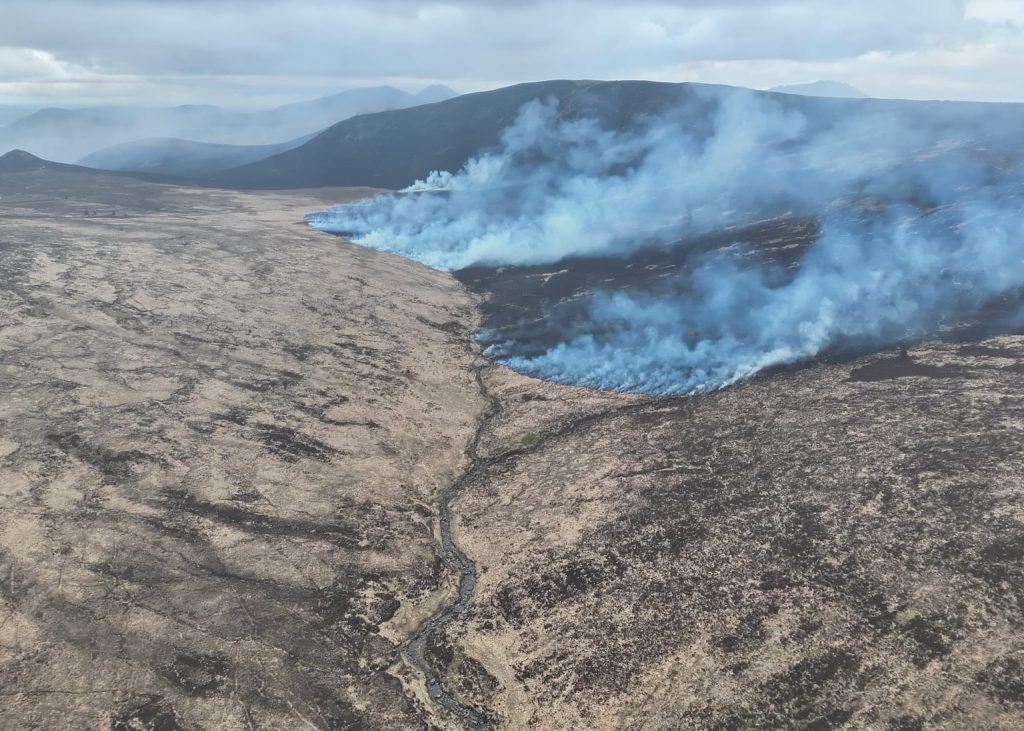
The Mourne Mountains, a jewel of Northern Ireland’s natural landscape, have faced an unprecedented environmental crisis in 2026. As firefighters continue to battle recurring gorse fires that threaten biodiversity and local communities, the Police Service of Northern Ireland (PSNI) has confirmed it is “conducting enquiries” into a series of disturbing social media posts. These digital breadcrumbs, which allegedly feature individuals admitting to or documenting the ignition of these blazes, have ignited a firestorm of public outrage and police scrutiny.
As the authorities pivot toward a high-tech investigation strategy, the intersection of viral social media culture and criminal destruction has become the focal point of the ongoing crisis.

The Digital Hunt for Suspects
The investigation gained momentum after local councillor Mark Gibbons raised the alarm regarding screenshots circulating on platforms like TikTok and Snapchat. These images allegedly depicted a youngster lighting fires in the Mournes, accompanied by comments that appeared to claim responsibility for the destruction.
From Likes to Liabilities
Councillor Gibbons highlighted a worrying trend: the “brazen” desire for social media clout. In an era where engagement metrics dictate online status, some individuals are reportedly willing to commit environmental sabotage simply to garner views or “likes.” This phenomenon of performative criminality complicates police efforts, as investigators must now distinguish between genuine confessions and elaborate, attention-seeking hoaxes.
The PSNI is currently vetting all submitted material to determine its authenticity. Whether these posts are evidence of direct involvement or merely “digital posturing,” they are being treated with the utmost seriousness as the police work to curb the frequency of these deliberate acts.
A Multi-Faceted Security Response
The PSNI has significantly ramped up its presence in the Mournes. Recognizing that traditional ground patrols are insufficient for such a vast and rugged terrain, the force has deployed sophisticated tools to monitor the area.
Air Support and Specialist Units
The PSNI’s Air Support Unit is now a constant presence above the Mourne range. By utilizing high-definition thermal imaging and aerial surveillance, police are able to:
- Spot fires early: Detecting heat signatures before they evolve into uncontrollable infernos.
- Locate suspects: Tracking movement in isolated areas where arsonists might feel hidden from view.
- Coordinate with NIFRS: Providing real-time data to the Northern Ireland Fire and Rescue Service (NIFRS) to help them deploy resources efficiently.
This tactical shift follows a string of incidents where NIFRS personnel were pushed to their limits, tackling hundreds of separate fires within a single week. The Minister for the Environment has labeled these acts “abhorrent,” emphasizing that the vast majority of these wildfires are not accidents, but cases of deliberate “rural arson.”
The Challenges of Modern Forensic Investigation
Investigating digital evidence in the context of wildfires is fraught with complexity. With the rise of AI-generated imagery and deepfake content, the PSNI faces the challenge of verifying whether shared footage is authentic or fabricated.
The Dangers of Misinformation
As seen in other global wildfire events, social media often becomes a breeding ground for misinformation. AI-generated clips can easily be passed off as “real-time” footage, potentially misleading the public and diverting police resources toward false leads.
The PSNI’s current enquiries are not just about finding the culprit; they are about maintaining public order and ensuring that the narrative surrounding these fires remains rooted in fact. The authorities are urging the public to report suspicious activity directly to the police rather than engaging with—or amplifying—potentially false content on social media platforms.
The Human and Environmental Cost
The impact of these fires extends far beyond the scorched earth. Residents in nearby areas have faced the terror of evacuation, and the loss of local flora and fauna is often irreversible. The NIFRS has repeatedly issued warnings for hikers and locals to stay away from specific zones like Sandbank Road and Chimney Rock Mountain, as the combination of unstable ground and active fires poses a severe risk to life.
A Call for Community Vigilance
The message from both the PSNI and the NIFRS is clear: we all have a responsibility to protect our natural heritage. The current “zero-tolerance” approach toward arson in the Mournes reflects the severity of the situation.
- Report, Don’t Share: If you see suspicious posts, report them to the PSNI or CrimeStoppers immediately.
- Stay Informed: Follow official updates from the PSNI Newry, Mourne & Down Facebook page for the latest trail closures.
- Respect the Landscape: Understand that the Mournes are a protected environment and that deliberate interference is a serious criminal offense.
Looking Toward a Safer Future
As the PSNI continues its enquiries, the hope is that the combination of aerial surveillance and public cooperation will act as a deterrent. The “brazen” nature of the social media posts reported by Councillor Gibbons serves as a stark reminder of how digital behavior can have devastating real-world consequences.
The authorities remain committed to bringing those responsible for the destruction of the Mournes to justice. In the coming weeks, as the investigation progresses, the focus will remain on identifying the individuals behind these blazes and ensuring that the Mourne Mountains remain a place of beauty, not a target for arson.
The battle for the Mournes is ongoing, but with the combined efforts of the PSNI, the NIFRS, and a vigilant public, there is a path toward restoring safety to these iconic peaks.