The Strait of Trump Controversy: Decoding the Viral Repost That Shook Global Geopolitics in 2026

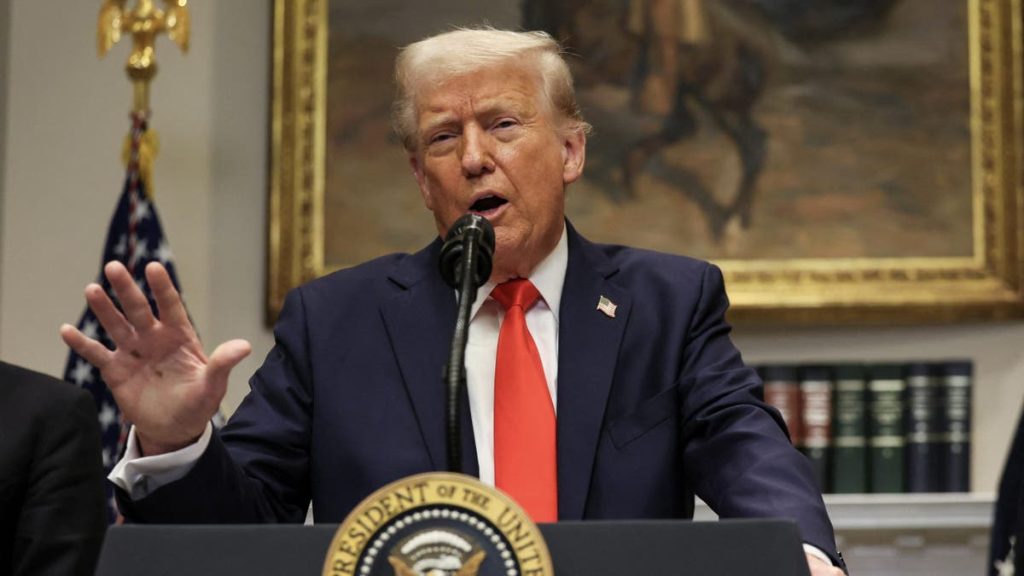
In the high-stakes theater of 2026 international diplomacy, few figures possess the ability to shift global discourse with a single click as effectively as Donald Trump. The latest firestorm ignited when the President reshared a provocative post on Truth Social, suggesting a radical rebranding of one of the world’s most vital maritime arteries. The suggestion? Renaming the Strait of Hormuz to the “Strait of Trump.”
What began as a viral map quickly spiraled into a complex row involving international trade, energy security, and a war of words between Washington, Tehran, and New Delhi. While critics dismissed the move as a signature display of bravado, the timing—amidst soaring oil prices and heightened naval tensions—suggests a deeper layer of strategic signaling that has the world on edge.

The Truth Social Post: Branding the World’s Most Sensitive Waterway
The controversy kicked off when Trump amplified a post featuring a modified map of the Persian Gulf. In this digital rendering, the traditional label for the Strait of Hormuz was replaced with “Strait of Trump.” This wasn’t just a random social media fluke; it followed a series of “tongue-in-cheek” remarks made during the Future Investment Initiative (FII) Priority investment forum in Miami.
During his speech at the Saudi-backed event, Trump reportedly joked about the “Kennedy Center treatment,” implying that his administration’s influence over the region was so absolute that the waterway might as well bear his name.
Why the Name Change Matters
- Symbolic Sovereignty: Renaming a geographic landmark, even rhetorically, asserts a claim of dominance.
- Psychological Warfare: By “claiming” the strait, the administration signals to Iran that the U.S. views the area as under its direct sphere of influence.
- Market Volatility: In 2026, where energy markets are hyper-sensitive, such remarks can cause immediate fluctuations in crude oil futures.
Geopolitical Friction: Iran, India, and the “Hellhole” Remark
The “Strait of Trump” row did not exist in a vacuum. It coincided with a broader diplomatic friction point involving India. Around the same time as the Hormuz repost, Trump amplified comments from commentator Michael Savage, which referred to certain nations, including India, as “hellholes” in the context of infrastructure and migration.
The Ministry of External Affairs (MEA) in India expressed concern, noting they had “seen reports” of the remarks. This created a dual-front diplomatic challenge:
- In the Middle East: Tensions escalated as Iran viewed the “Strait of Trump” branding as a direct violation of their territorial waters and maritime rights.
- In South Asia: Indian officials were forced to navigate a landscape where a key strategic partner (the U.S.) was simultaneously praising and criticizing their national status.

The Strategic Importance of the Strait of Hormuz in 2026
To understand why a simple repost caused such a stir, one must look at the geography. The Strait of Hormuz is a narrow chokepoint between Oman and Iran. It is the only sea passage from the Persian Gulf to the open ocean and is arguably the world’s most important oil transit point.
Key Statistics of the Waterway:
- Volume: Approximately 20-30% of the world’s total oil consumption passes through this strait daily.
- Width: At its narrowest point, the shipping lanes are only two miles wide in either direction.
- Vulnerability: Any closure or conflict here would lead to a global energy crisis, potentially pushing oil prices well above $150 per barrel.
Trump’s assertion that the U.S. has “total control” over the strait followed a high-profile incident where U.S. Special Forces boarded a stateless tanker in the Indian Ocean. The Pentagon claimed the vessel was carrying illicit Iranian crude, further justifying the “Strait of America” or “Strait of Trump” rhetoric as a mark of enforcement.

Analysis: Is it Policy or Provocation?
Observers are divided on whether the “Strait of Trump” rebranding is a serious policy goal or a masterful use of strategic ambiguity.
The Case for Provocation
Most international bodies, including the United Nations and the International Hydrographic Organization, have no plans to rename the waterway. Such a move would require broad international consensus, which is virtually impossible given Iran’s bordering status. Therefore, the repost is likely intended to:
- Provoke a reaction from Tehran to justify further naval presence.
- Distract from domestic policy challenges by dominating the news cycle.
- Project strength to a base that favors “America First” maritime hegemony.
The Case for Policy Shift
Reports from the New York Post suggest that some within the administration are exploring formal moves to increase U.S. administrative oversight of key shipping lanes. If the U.S. were to designate the area as a “Special Maritime Security Zone,” the jump from “Hormuz” to “Trump” or “America” might be the first step in a long-term rebranding of U.S. foreign policy.
Iran’s Response: Memes and Maritime Threats
Tehran did not take the “Strait of Trump” remark lying down. In a modern twist on diplomacy, Iranian diplomatic missions launched a social media counter-offensive. Using memes and satirical posts, they ridiculed the idea of the name change, asking, “Is it closed? Or is it just in your head?”
However, the humor masks a darker reality. Iran has repeatedly threatened to close the strait if its own oil exports are blocked. Trump’s counter-threat—ordering the Navy to “destroy any boat” that interferes with shipping or lays mines—has turned the “Strait of Trump” from a social media joke into a potential military flashpoint.
The Domestic Debate: Laughter vs. Alarm
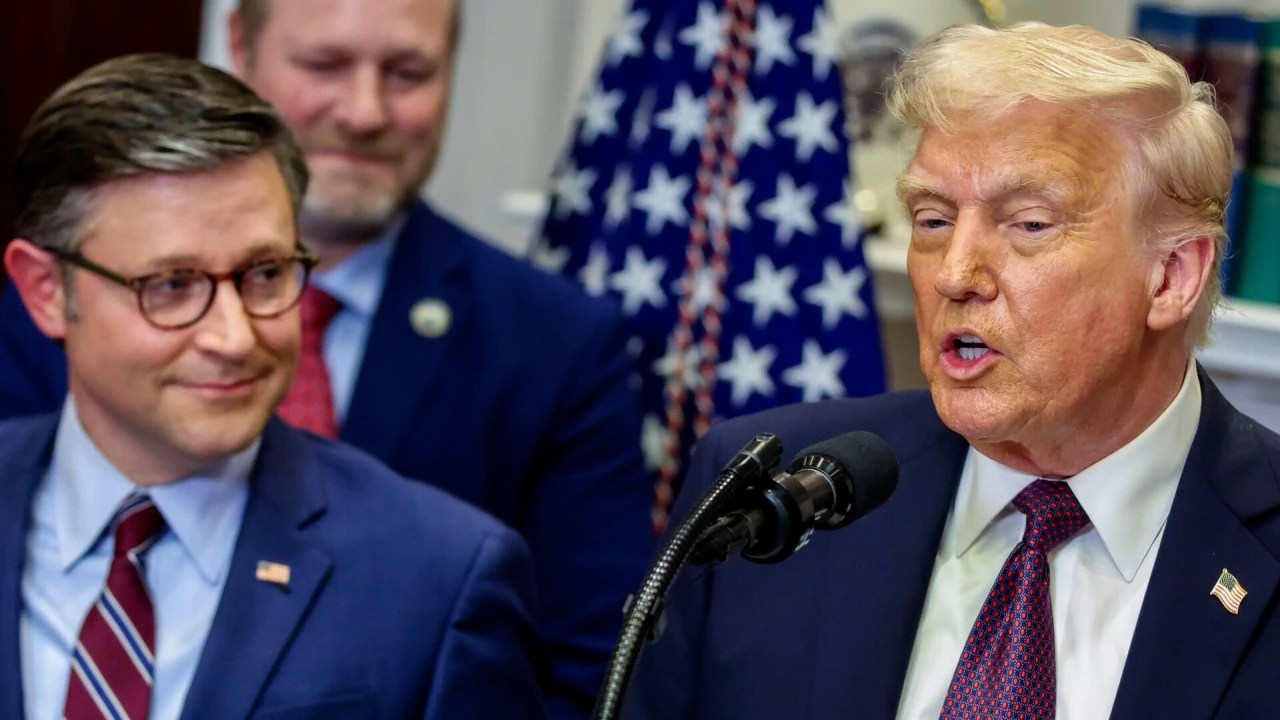
Back in the United States, the reaction has been split along predictable partisan lines.
- Supporters: Many see the “Strait of Trump” as a show of defiance. They argue that if the U.S. is the one guaranteeing the safety of the world’s oil, it should have the right to name the “neighborhood.”
- Critics: Opponents dismiss the move as “unserious” and “dangerous.” They argue that treating global chokepoints like real estate assets undermines international law and alienates allies who rely on the stability of the region.
The “Strait of America” Alternative
Interestingly, some reports indicate that if “Strait of Trump” doesn’t stick, the administration might push for “The Strait of America.” This shift suggests a desire to institutionalize U.S. presence in the region permanently, moving beyond the personality of the President to a nationalistic claim over global trade routes.
Conclusion: The New Era of Digital Diplomacy
As we move deeper into 2026, the “Strait of Trump” controversy serves as a case study in how social media and traditional geopolitics have merged. A single repost can bypass traditional State Department channels, reach millions instantly, and force foreign governments to respond in real-time.
Whether the Strait of Hormuz ever officially changes its name is secondary to the fact that the “Strait of Trump” has already become a fixture of the 2026 political lexicon. It represents a world where branding is power, and where the map of the world is as much about the person drawing it as it is about the land and sea it represents.
As oil prices continue to fluctuate and the U.S. Navy maintains its vigil in the Persian Gulf, the world remains watchful. In the era of Trump, a meme is rarely just a meme—it is often a harbinger of the next great shift in the global order.