Legal Strategy Shifts: Cole Tomas Allen Remains Jailed After Failed Assassination Attempt on President Trump

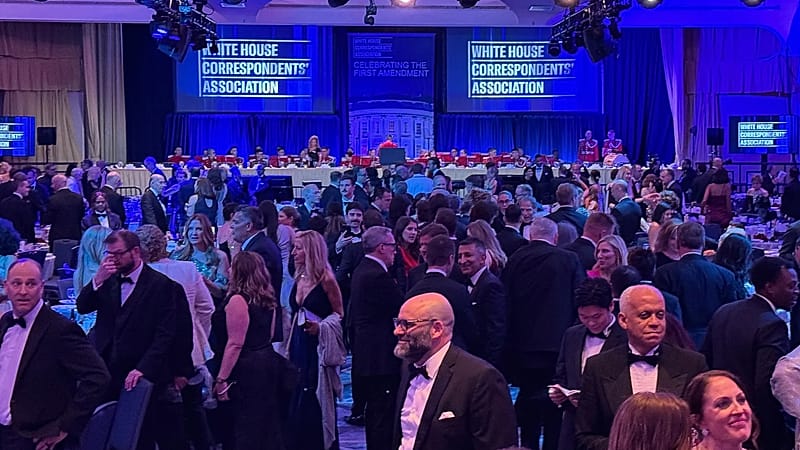
The landscape of national security and political discourse in the United States shifted dramatically on April 25, 2026, when a high-profile security breach occurred at the annual White House Correspondents’ Association dinner. Cole Tomas Allen, a 31-year-old resident of Torrance, California, stands at the center of a federal investigation after allegedly attempting to assassinate President Donald Trump. In a significant legal development this week, Allen agreed to remain in federal custody while awaiting his upcoming trial.
The incident, which saw the Washington Hilton transformed from a site of celebration to a crime scene, has prompted a rigorous debate regarding presidential security, the radicalization of individuals, and the complexities of federal criminal law. As the Justice Department prepares its case, the legal battle over evidence and intent has only just begun.
A Night of Chaos: The Incident at the Washington Hilton
On the evening of April 25, 2026, the atmosphere at the White House Correspondents’ Association dinner was electric, hosting the nation’s elite media, political figures, and President Trump. However, the event was abruptly disrupted when Cole Tomas Allen attempted to breach the security perimeter.
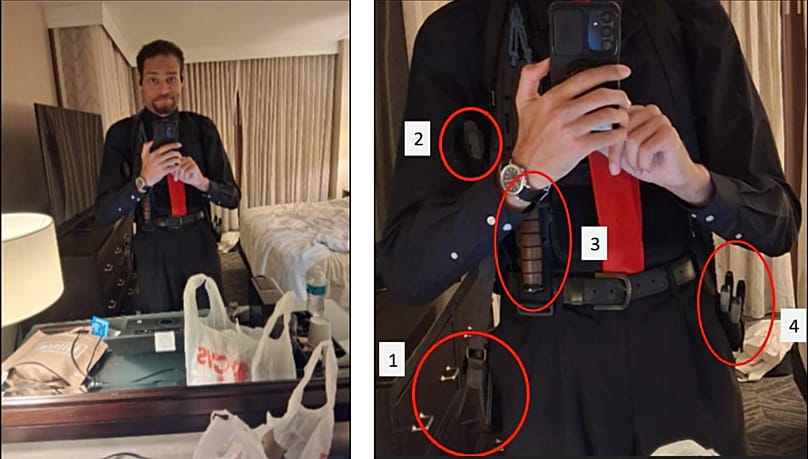
According to federal prosecutors, Allen had been planning the attack for weeks, meticulously tracking the President’s digital footprint and movements. Armed with a long gun, a sheathed knife, and an ammunition bag, Allen attempted to rush past a magnetometer at the event venue. The resulting confrontation led to a shootout that left one Secret Service officer wounded—though the officer survived thanks to a bullet-resistant vest.
The Evidence Against Allen
Investigators have built a comprehensive case against the suspect. Court filings reveal that shortly before the attack, Allen took a self-portrait in his hotel room, appearing fully equipped for combat. Furthermore, authorities recovered communications sent to family members in which Allen described himself as a “Friendly Federal Assassin,” signaling a deep-seated, albeit vague, resentment toward the current administration’s policies.
Legal Maneuvering: The Defense vs. The DOJ
During his recent appearance before U.S. Magistrate Moxila Upadhyaya, Allen chose not to enter a plea, opting instead to remain behind bars for the duration of the pre-trial phase. This decision, while procedural, highlights the high-stakes nature of the defense’s strategy.
Challenging the Government’s Theory
Allen’s legal counsel has aggressively pushed back against the charge of attempted assassination. Their primary argument centers on the lack of explicit intent. The defense contends that Allen’s writings never mentioned President Trump by name and that the government’s interpretation of his motives is based entirely on “speculation and inference.”
Furthermore, the defense has challenged the ballistics evidence. In a letter to acting Attorney General Todd Blanche, Allen’s lawyers suggested that recovered evidence might be inconsistent with the official government narrative regarding the shooting of the Secret Service officer.
The Justice Department’s Response
The Department of Justice remains steadfast in its position. Prosecutors maintain that the physical evidence—including buckshot pellet fragments recovered at the scene—directly links Allen to the discharge of a weapon during a crime of violence. They argue that the evidence, combined with Allen’s tactical preparation, leaves little room for doubt regarding his intent to commit an act of political violence.
The Broader Implications for National Security
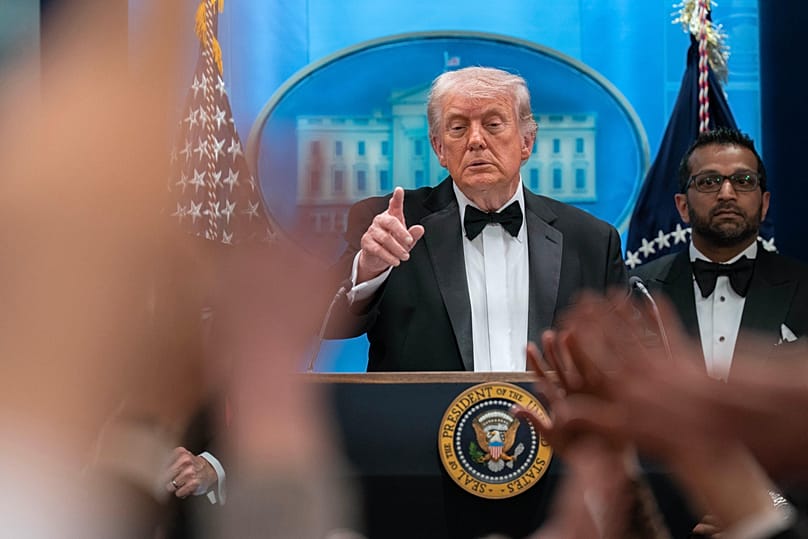
The attempted assassination of a sitting president at a gala event raises uncomfortable questions about the vulnerability of public figures. While the Secret Service is widely regarded as one of the most effective protective agencies in the world, the 2026 dinner incident serves as a stark reminder of the challenges posed by lone-wolf actors.
Presidential Protection in the Digital Age
The fact that Allen tracked the President’s movements online suggests that social media and digital surveillance tools have become a double-edged sword. While these tools allow for greater connectivity, they also provide potential aggressors with unprecedented access to information regarding high-profile schedules.
The Legal Stakes
If convicted, Cole Tomas Allen faces severe penalties. The charge of attempted assassination of a president alone carries a potential life sentence. Additionally, the two firearms charges—including the discharge of a weapon during a violent crime—ensure that the prosecution will be seeking the maximum possible sentencing guidelines.
Conclusion: A Long Road to Justice
As the federal trial approaches, the nation will be watching closely. The case of Cole Tomas Allen is not merely a criminal trial; it is a test of the American legal system’s ability to navigate the intersection of political extremism, violent crime, and the right to a fair defense.
For now, the suspect remains in federal custody, a move that provides some measure of stability while the courts determine the full extent of his culpability. Whether the defense can successfully argue against the charge of attempted assassination remains to be seen, but one thing is certain: the events of April 25, 2026, will be analyzed for years to come as a definitive moment in the security history of the Trump presidency.