Breakthrough: House Passes DHS Funding Bill, Ending Historic 76-Day Shutdown

The halls of Congress finally breathed a sigh of relief this Thursday as the U.S. House of Representatives voted to pass a critical funding measure, effectively ending the record-setting 76-day shutdown of the Department of Homeland Security (DHS). This legislative milestone marks the conclusion of one of the most grueling periods of federal instability in modern American history, providing a much-needed lifeline to thousands of federal employees who have been operating in limbo for over two months.
The bill, which had already cleared the Senate over a month ago, received unanimous approval in the House. By decoupling the majority of DHS subagencies from the contentious immigration enforcement debate, lawmakers have finally paved the way for President Donald Trump to sign the legislation into law. As the dust settles on this 76-day impasse, the focus now shifts toward the massive task of restoring full operational capacity to the nation’s primary domestic security apparatus.
What the DHS Funding Bill Covers
For months, the political gridlock surrounding immigration policy held the entire Department of Homeland Security hostage. The newly passed bill provides full funding for a wide array of essential subagencies that have been functioning without guaranteed budgets since the shutdown began in early 2026.
Key agencies receiving immediate financial relief include:
The U.S. Coast Guard: Ensuring maritime security and search-and-rescue capabilities remain fully operational.
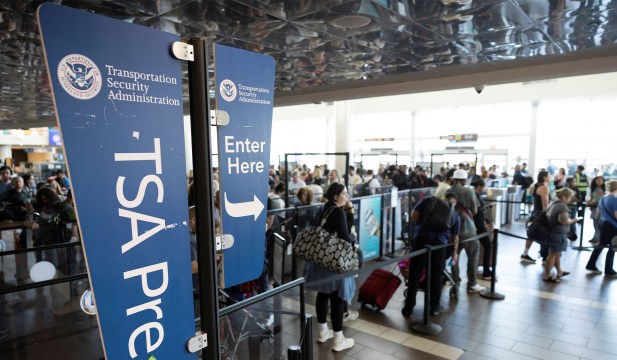
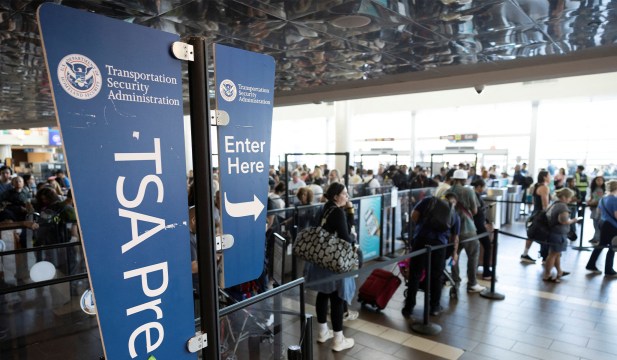
Transportation Security Administration (TSA): Addressing the staffing shortages that led to significant travel delays at major airports.
The Secret Service: Securing the continuity of protection for high-level officials and dignitaries.
FEMA (Federal Emergency Management Agency): Restoring the agency’s ability to coordinate disaster relief efforts nationwide.
- Cybersecurity and Infrastructure Security Agency (CISA): Strengthening the nation’s defense against digital threats and critical infrastructure vulnerabilities.
By prioritizing these non-immigration-related agencies, Congress has managed to insulate vital public safety functions from the ongoing political skirmishes regarding border security.
The Human Cost of the 76-Day Impasse
While the legislative victory is a welcome development, the impact of the 76-day shutdown on the federal workforce cannot be understated. Thousands of dedicated professionals—from airport security screeners to cyber-defense experts—were forced to work without pay or were furloughed, leading to severe financial strain.
Financial Strain on Federal Workers
For nearly three months, families of DHS employees faced the daunting reality of missed mortgage payments, dwindling savings, and the stress of an uncertain future. While the administration attempted to mitigate the crisis in late March by rerouting funds to pay staff, those resources were finite and rapidly depleting. The passage of this bill is not merely a budgetary technicality; it is a restoration of livelihood for the backbone of our national security.
Operational Challenges at Airports and Borders
The shutdown’s visibility was perhaps most acute at the nation’s airports. With TSA agents facing reduced morale and increased absenteeism, travelers across the country experienced longer wait times and chaotic security checkpoints. Beyond the airports, the uncertainty surrounding the Department of Homeland Security’s funding also raised questions about the government’s overall preparedness for domestic emergencies, particularly as FEMA’s ability to deploy resources was technically hampered by the lack of new appropriations.
The Path Forward: Immigration and Border Enforcement
While the DHS funding bill is a major victory for the agency’s core functions, it does not represent the end of the legislative struggle. Republican leadership has already signaled that the next phase of their agenda involves advancing a separate bill exclusively dedicated to Border Patrol and Immigration and Customs Enforcement (ICE).
This strategic split reflects the deep-seated ideological divide in Congress. By isolating immigration enforcement from the rest of the DHS budget, lawmakers have created a path of least resistance to ensure that national security infrastructure—which is generally supported by both parties—is no longer held as a political bargaining chip. However, the upcoming debates over border security funding are expected to be just as heated, if not more so, than the discussions that led to the initial shutdown.
Economic and Political Implications
The record-breaking 76-day shutdown has ignited a fresh debate about the structural integrity of the federal budget process. Critics argue that the reliance on continuing resolutions and the use of government agencies as pawns in partisan warfare is unsustainable.
A Test of Legislative Resilience
The fact that this bill passed unanimously in the House suggests that the political cost of the shutdown had finally become too high for either side to bear. Public pressure, combined with the logistical nightmare of running a sprawling department on “emergency” funding, forced a compromise that many thought was impossible just weeks ago.
Long-Term Consequences for DHS
Moving forward, the Department of Homeland Security will face the daunting challenge of clearing a massive backlog of administrative work. From procurement delays to recruitment and training freezes, the “shutdown hangover” will likely be felt within the agency for the remainder of the year. The focus will now shift to audit and recovery, ensuring that the funds released by the President’s signature are deployed efficiently to stabilize operations.
Conclusion: A Step Toward Stability
The passage of the DHS funding bill is a triumph of pragmatism over partisanship. After 76 days of uncertainty, the federal government has finally taken the necessary steps to secure the agencies that keep the American public safe on a daily basis. While the political fight over border enforcement remains unresolved, the reopening of the TSA, Coast Guard, and other critical agencies is a significant victory for the American people.
As President Trump prepares to sign the bill into law, the hope is that this episode serves as a cautionary tale for legislators. A functioning government requires the consistent, reliable funding of its essential departments. With the record-setting shutdown now behind us, the focus must remain on ensuring that such a prolonged disruption to national security never happens again.