Jonathan Wilkinson Tapped as Canada’s Next Ambassador to the European Union: A Strategic Shift in Diplomacy

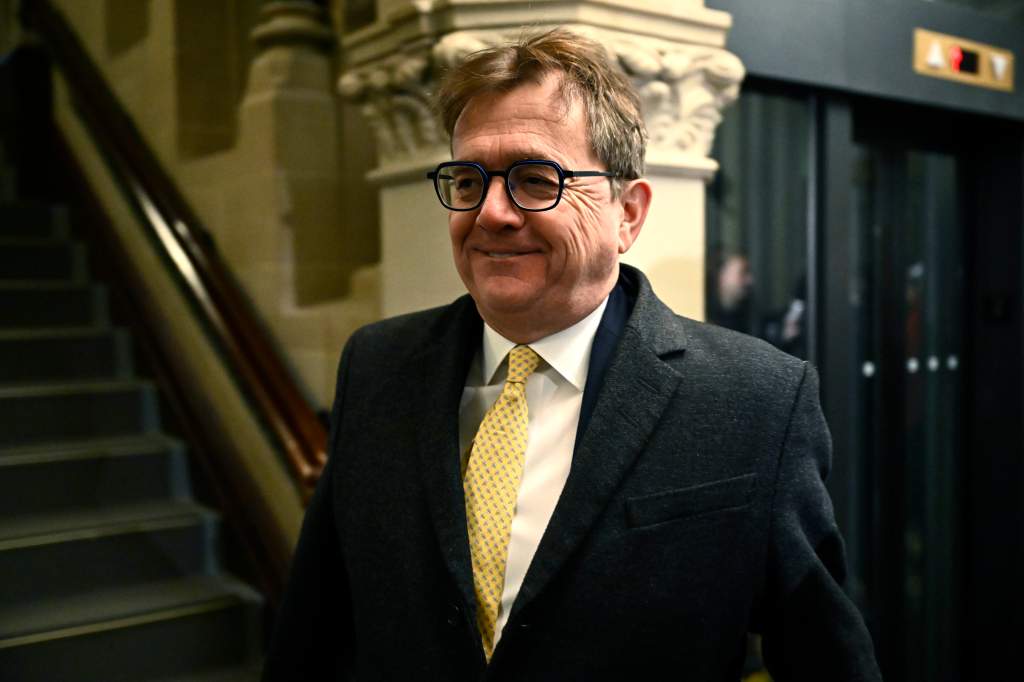
In a significant diplomatic move for 2026, Prime Minister Mark Carney has officially appointed former Liberal cabinet minister Jonathan Wilkinson as Canada’s next Ambassador to the European Union. This appointment marks a pivotal transition for the North Vancouver-Capilano representative, who has served as a central figure in Canadian politics for over a decade. As Canada navigates an increasingly complex global landscape, Wilkinson’s selection is being viewed as a calculated effort to strengthen transatlantic ties, boost economic security, and foster climate-focused partnerships.
A Diplomatic Veteran for a Changing Global Order
Jonathan Wilkinson’s career has been defined by his work at the intersection of public policy, clean technology, and international economic engagement. Having served as both Minister of Environment and Climate Change and Minister of Natural Resources under the previous Trudeau administration, Wilkinson brings a depth of institutional knowledge that is rare in diplomatic circles.
Prime Minister Carney’s decision to appoint such a high-profile figure underscores the importance of the Canada-EU relationship in the current geopolitical climate. With Europe facing energy security challenges and the urgent need for green industrial transformation, Wilkinson’s background makes him uniquely qualified to advance Canadian interests in Brussels.
The Parliamentary Shuffle: What Wilkinson’s Departure Means for Ottawa
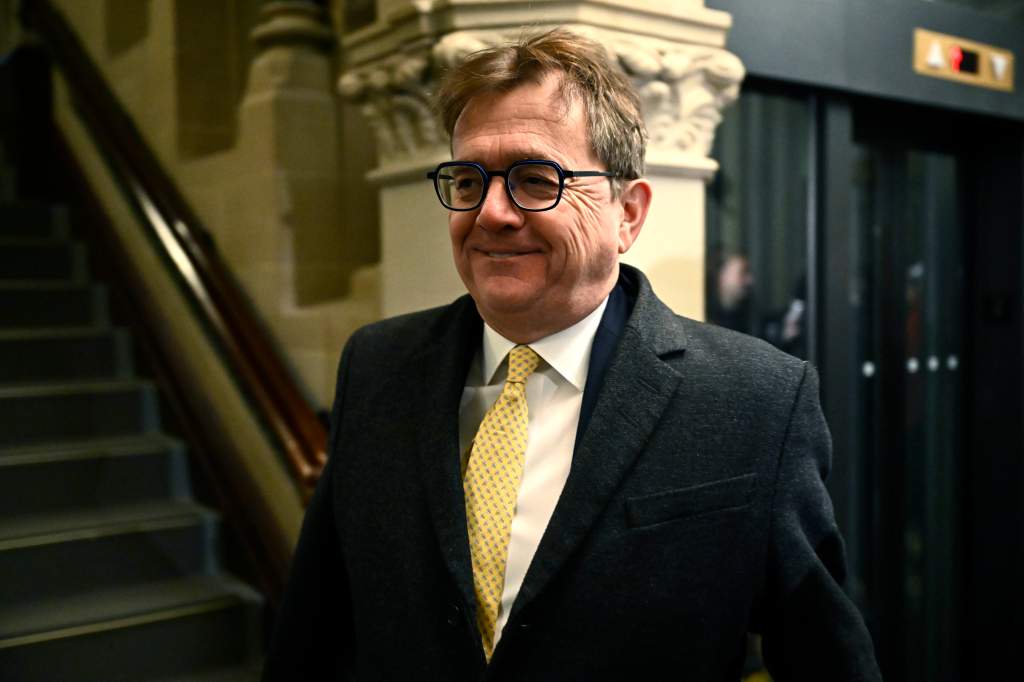
The appointment of Wilkinson is not just a win for Canadian diplomacy; it is a catalyst for a significant political shakeup in the House of Commons. Wilkinson has confirmed that he will vacate his seat in North Vancouver-Capilano in the coming months, triggering a byelection.
The Math of a Minority Government
The timing of Wilkinson’s departure, paired with the announced resignation of Toronto Liberal MP Nate Erskine-Smith, creates a precarious situation for Prime Minister Carney’s minority government. Currently, the Liberals hold 173 seats—one more than the 172 required for a majority.
The Current Count: With Wilkinson and Erskine-Smith stepping down, the Liberals face a potential drop to 171 voting members.
The Speaker’s Role: Since Speaker Francis Scarpaleggia, by tradition, does not vote except in the event of a tie, the government’s ability to pass legislation could be severely hampered if vacancies are not filled.
- The Opposition Factor: The departure of independent MP Alexandre Boulerice further complicates the math, as the opposition will also see its total voting power reduced.
Prime Minister Carney is expected to call byelections before the House returns in September. If the Liberals can secure at least two of the three upcoming byelections, they will likely maintain their functional control of the House. However, the high-stakes nature of these departures demonstrates the fragility of the current parliamentary balance.
Why Wilkinson is the Right Choice for the EU Mission
The Prime Minister’s Office (PMO) emphasized that Wilkinson’s “proven experience, judgment, and leadership” were the primary drivers behind the appointment. In a world where trade agreements and environmental standards are increasingly intertwined, the role of an ambassador has evolved from a ceremonial position to a critical economic post.
Driving Security and Prosperity
Wilkinson’s mandate will focus on several key areas:
- Energy Security: Leveraging his experience as Natural Resources Minister to help European partners diversify their energy supply chains.
- Climate Cooperation: Aligning Canadian green technology investments with the European Green Deal.
- Economic Resilience: Strengthening the Comprehensive Economic and Trade Agreement (CETA) to ensure that Canadian businesses remain competitive in the European market.
“With his vast experience as a minister, entrepreneur, and businessperson, Jonathan Wilkinson will drive this mission to help create greater security, prosperity, and sustainability on both sides of the Atlantic,” Prime Minister Carney noted during the announcement.
A New Era for Canada-EU Relations
As Prime Minister Carney prepares to participate in the European Political Community summit in Armenia this weekend—the first time a non-European leader has been invited—the timing of the Wilkinson appointment could not be more strategic. It signals that Canada intends to be a proactive, rather than reactive, partner to the European Union.
Wilkinson is expected to assume his duties in Brussels this summer. His transition from the front benches of Parliament to the diplomatic corps represents a broader trend in the Carney government: the deployment of experienced, pragmatic politicians to key international posts to navigate an era of global volatility.
Analyzing the Political Stakes
Critics and supporters alike are watching the byelection cycle closely. For the Liberal Party, holding the North Vancouver-Capilano riding is a matter of both political optics and legislative survival. For Wilkinson, the shift to Brussels provides an opportunity to apply his legislative expertise to international policy, potentially defining his legacy on the world stage.
As the House of Commons prepares for the summer recess, the focus will shift from the halls of Ottawa to the campaign trails of the upcoming byelections. The outcome of these races will determine whether Prime Minister Carney enters the fall session with a stable mandate or a renewed struggle to maintain his thin majority.
Conclusion
Jonathan Wilkinson’s transition to Canada’s Ambassador to the European Union is a move that balances immediate political risk with long-term strategic gain. By placing a seasoned veteran in a key diplomatic hub, Prime Minister Carney is betting that the benefits of stronger ties with Europe will outweigh the temporary instability of the parliamentary seat vacancy. As Wilkinson steps into his new role, the international community will be watching to see how his unique blend of environmental and economic expertise shapes the future of the transatlantic partnership.