DHS Funding Breakthrough: House Ends Record 76-Day Shutdown After Intense Standoff

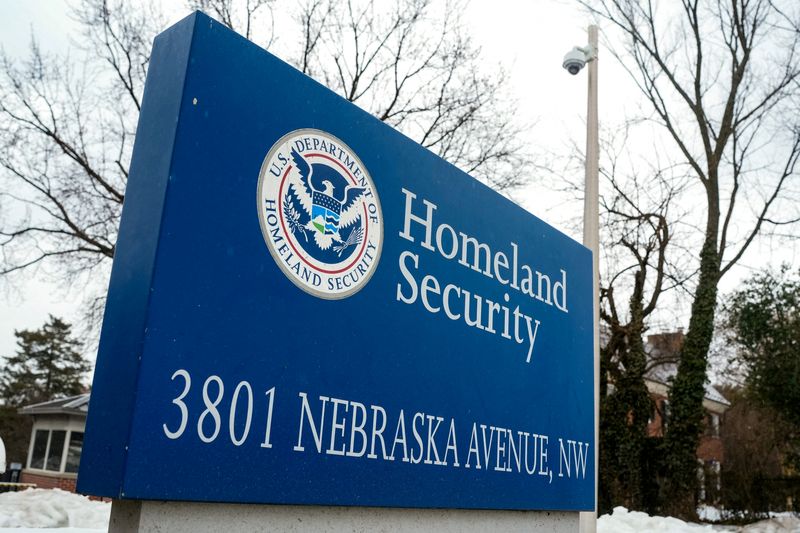
The halls of Congress finally breathed a sigh of relief this Thursday as the U.S. House of Representatives moved to end a paralyzing, record-breaking 11-week shutdown of the Department of Homeland Security (DHS). After months of legislative gridlock, infighting, and mounting public pressure, lawmakers passed a bipartisan funding bill that secures the operations of critical agencies, including the Secret Service and the Transportation Security Administration (TSA).
This move marks a significant shift in the 2026 fiscal landscape, effectively averting a looming crisis that threatened to leave major airports understaffed and national security vulnerable just as the federal payroll deadline approached.
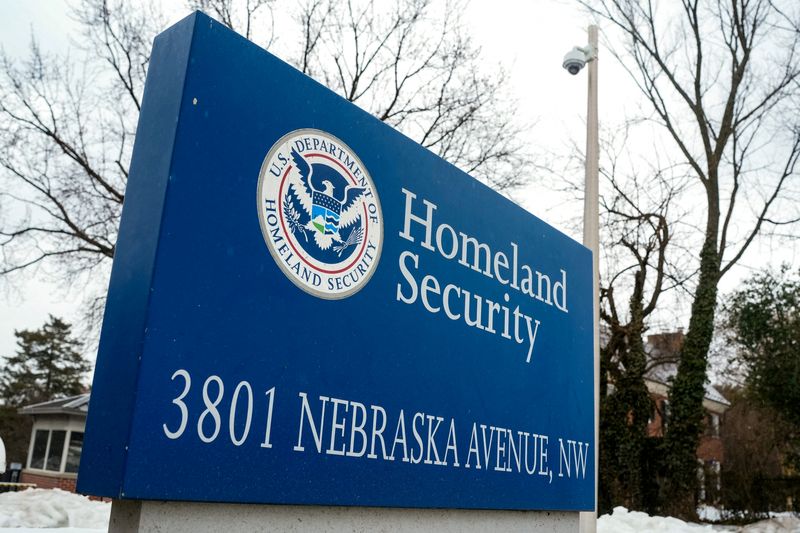
The Path to Resolution: Why the Shutdown Lasted 76 Days
The shutdown, which spanned 76 days, was not a typical budgetary dispute. At its core was a fierce ideological battle over the future of U.S. immigration enforcement. While most DHS functions were sidelined, the primary point of contention was the funding—or lack thereof—for U.S. Immigration and Customs Enforcement (ICE) and Border Patrol.
The Stumbling Block: Immigration Enforcement
Conservative hardliners in the House had refused to move forward with any funding package that didn’t guarantee robust support for immigration enforcement. This stance was hardened by the tragic deaths of two U.S. citizens in Minneapolis at the hands of immigration officers, which triggered a firestorm of political debate. Democrats, conversely, pushed for stricter operational constraints, demanding that immigration agents be held to the same standards as local law enforcement, including the mandatory use of judicial warrants for home entry.
Escalating Tensions
The deadlock was exacerbated by the broader political climate. The White House, under President Donald Trump, remained firm in its support for a massive migrant deportation campaign, which required significant financial backing for ICE. The situation reached a boiling point following a security incident at the White House Correspondents’ Association dinner, which served as a stark reminder of the risks associated with underfunding the Secret Service.
Compromise and Strategy: How Leadership Broke the Logjam
To end the shutdown, House Speaker Mike Johnson had to navigate a razor-thin 217-212 majority. His strategy involved a two-pronged approach: passing the Senate-backed bill to reopen the majority of DHS, while simultaneously setting the stage for a separate, future battle over immigration funding.
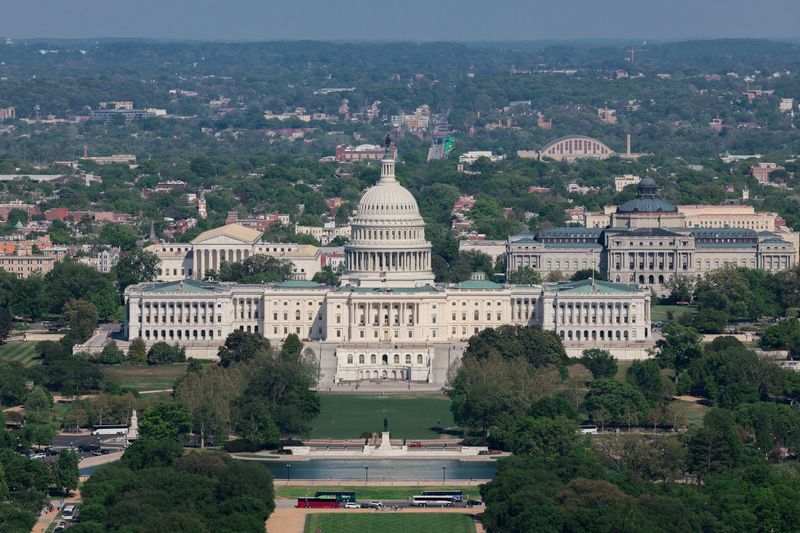
The Two-Track Legislative Plan
- The Immediate Fix: By passing the Senate’s version of the DHS funding bill without modifications, Johnson ensured that the legislation could move immediately to President Trump’s desk. This avoided the “ping-pong” effect of sending the bill back to the Senate, where Democrats likely would have blocked any changes.
- The Budget Reconciliation “Box”: To placate the conservative wing of his party, Johnson fast-tracked a $70 billion budget blueprint. This move allows the GOP to pursue a separate funding package for ICE and Border Patrol through the “budget reconciliation” process, which bypasses the need for Democratic support in the Senate.
Impact on National Security and Daily Operations
The 76-day shutdown was more than a political talking point; it was a logistical nightmare. Agencies like the Cybersecurity and Infrastructure Security Agency (CISA) and the U.S. Coast Guard were forced to operate on emergency funding, creating uncertainty for thousands of federal employees and contractors.
Airport Security and Public Safety
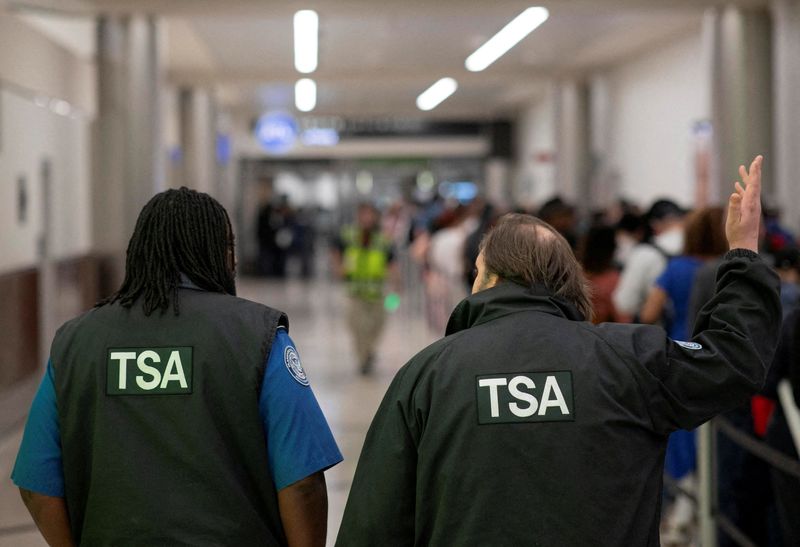
As May approached, the White House Office of Management and Budget warned that DHS would be unable to meet its payroll obligations. Had the House failed to act, the nation would have faced severe disruptions in airport screening and potential gaps in the protection of high-ranking officials.
What Remains Unfunded?
While the bill keeps the lights on for the majority of the department through September 30, 2026, the absence of specific ICE and Border Patrol funding remains a temporary “placeholder” status. The upcoming reconciliation fight in May will be the true test of whether the Republican majority can deliver on their campaign promises regarding border security without triggering another legislative crisis.
Political Analysis: The Cost of a Fractured Majority
Speaker Mike Johnson’s tenure has been defined by the struggle to unify a deeply divided caucus. Senate Majority Leader John Thune, a key ally in this process, noted the difficulty of the task, remarking that every Republican vote is essential on any given day. The five-hour delay on Wednesday over unrelated farm legislation highlights just how fragile this governing coalition remains.
By choosing to ignore the calls of hardline conservatives to modify the DHS bill—a move that could have killed the legislation entirely—Johnson signaled a pragmatic shift toward governance. However, the reliance on reconciliation to push through immigration funding suggests that the underlying tensions within the GOP are far from resolved.
Conclusion
The passage of the DHS funding bill is a victory for institutional stability, ensuring that critical national security functions continue uninterrupted through the end of the fiscal year. Yet, the resolution is bittersweet. It ends the longest shutdown in the department’s history but leaves the most contentious issue—immigration enforcement—for a future, likely volatile, legislative showdown.
As Congress heads into a one-week recess, the focus will shift to the upcoming budget reconciliation process. Whether the House can successfully navigate this next hurdle remains to be seen, but for now, the immediate threat of a total DHS collapse has been averted.