The Haunting Echoes of Violence: How Retired Officer Neil Sampson Survived Seven Knife Wounds from the Golders Green Suspect

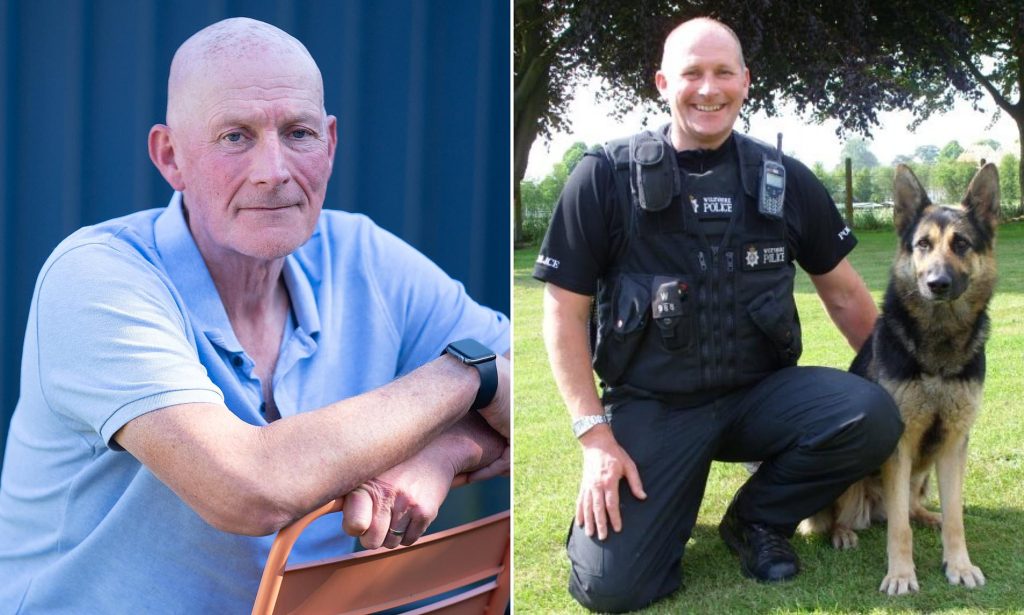
The year 2026 marks a period of deep reflection for the UK’s justice and mental health systems. As we look back at the high-profile incidents that shaped current public safety protocols, few stories are as harrowing—or as telling—as that of Neil Sampson. A retired police dog handler whose bravery became the stuff of legend, Sampson’s life remains inextricably linked to a name that recently resurfaced in the headlines: Essa Suleiman.
When news broke of the brutal stabbings in Golders Green, the public was shocked. But for Neil Sampson, the shock was accompanied by a chilling sense of “I told you so.” The man suspected of the North London attacks was the very same individual who had left Sampson for dead nearly two decades earlier.
A Nightmare Revisited: The 2008 Swindon Attack
To understand the gravity of the current situation, one must look back to January 2008. Neil Sampson, then a dedicated police dog handler based in Swindon, Wiltshire, was called to a scene that would change his life forever.
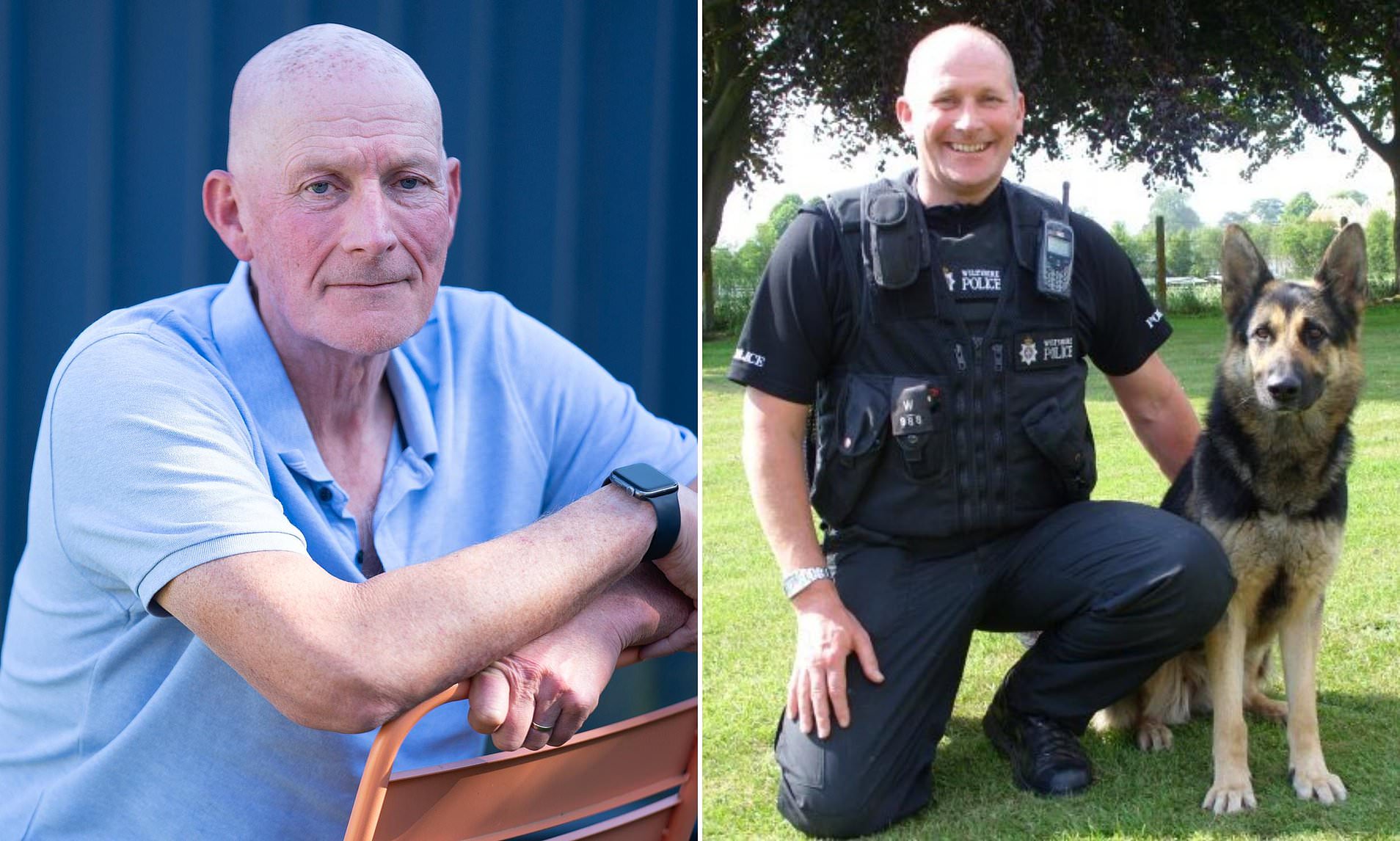
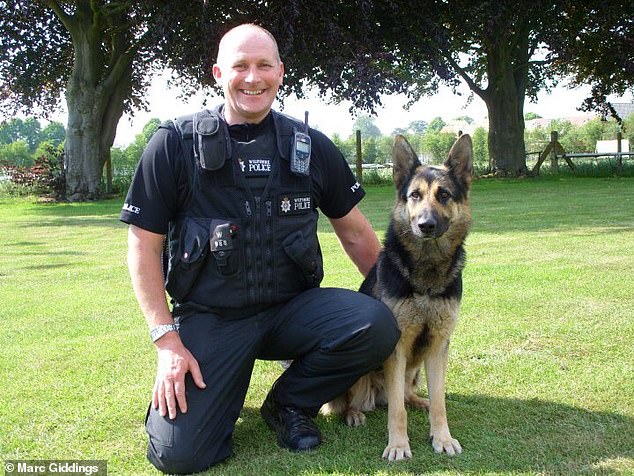
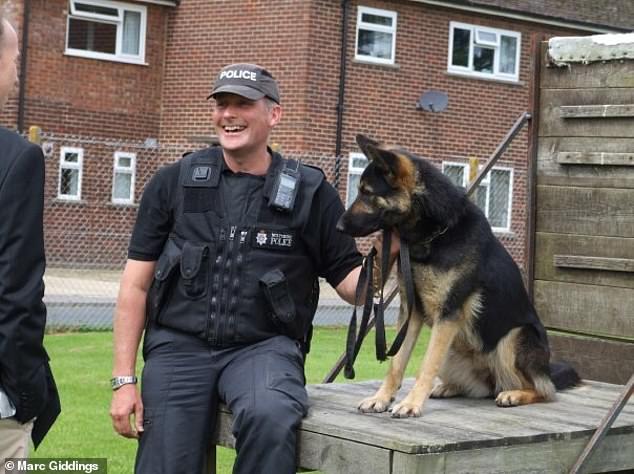
Sampson, accompanied by his loyal German Shepherd, Anya, was responding to reports of a knife attack in the Liden area. The suspect, a Somali-born British national named Essa Suleiman, had already attacked a fellow tenant. What followed was a masterclass in survival against a “formidable” and seemingly unstoppable assailant.
The Confrontation and the Seven Wounds
Upon arriving, Sampson encountered a man who fit the description of the suspect. Despite the presence of several other officers nearby, the situation escalated with terrifying speed. Suleiman, then 26, began brandishing a knife, sweeping it across his body in a rhythmic, menacing fashion.
“I backed away, backed away, backed away, until I really couldn’t give him any more time or any more space,” Sampson recalled. He was eventually forced to release Anya, his canine partner. However, what happened next defied the usual physics of a police intervention.
Despite the dog’s powerful bite—an experience Sampson describes as “unearthly” in its pain—Suleiman did not scream. He did not falter. He simply continued his assault. During the melee, Sampson was stabbed seven times. The wounds were distributed across his face, the back of his head, and his legs.
The Resilience of a Hero: “I Was Still Living and Breathing”
In the aftermath of the 2008 attack, Sampson’s survival was deemed miraculous. Most victims of knife crime do not survive seven separate penetrative wounds. Yet, Sampson’s focus remained on his duty and his dog. Anya, too, was stabbed during the incident, as was another officer whose identity remains protected due to the sensitive nature of his work.
The Anomaly of the Attacker
Sampson’s account of Suleiman’s behavior during the arrest provides a disturbing insight into the suspect’s psychological state. Despite being batoned, sprayed with PAVA, and Tasered, Suleiman remained silent. It was only when a Taser was applied directly to his groin—a desperate, last-resort measure—that he uttered a single word: “Ouch.”
This high pain threshold and lack of verbal communication painted a picture of a man who was either profoundly disconnected from reality or possessed an iron-clad resistance to standard police subdual tactics.
The Golders Green Connection: A Failure of the System?
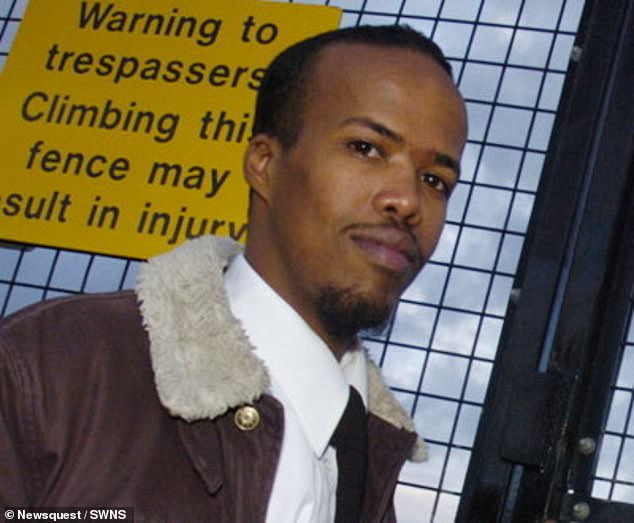
Fast forward to the recent attacks in Golders Green, North London. The victims, Shloime Rand and Moshe Ben Baila (known locally as Moshe Shine), were targeted in a series of stabbings that sent shockwaves through the Jewish community. When Essa Suleiman, now 45, was named as the suspect, the connection to the 2008 Swindon case became a lightning rod for criticism regarding prisoner release on licence and mental health monitoring.
The Legal Loophole: Hospital vs. Prison
In 2008, Judge Douglas Field faced a difficult decision. Suleiman had been diagnosed with mental health issues exacerbated by the use of khat, a stimulant leaf common in parts of East Africa. However, while in custody, Suleiman had stayed away from drugs, leading doctors to conclude he was “in his right mind.”
Consequently, instead of a permanent hospital order, he was given an indefinite sentence for public protection (IPP). However, as the IPP system was phased out and reformed over the years, Suleiman was eventually released on licence.
Sampson’s Perspective: “They Play the Game”
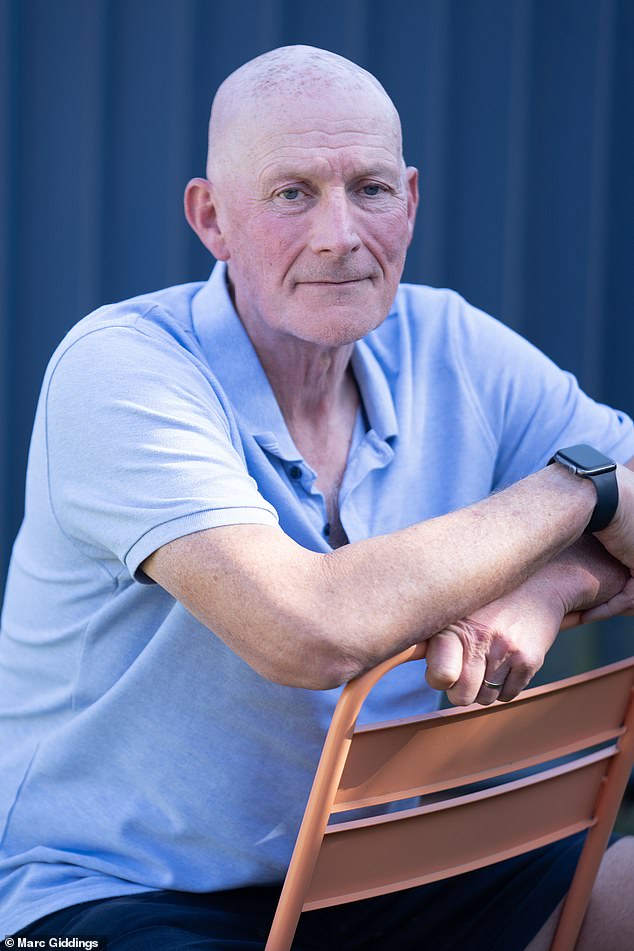
Now 65 and working in the private sector, Neil Sampson has been vocal about his frustrations. He believes that the system is often manipulated by offenders who know exactly what to say to secure their release.
“They play the games,” Sampson stated. “They know they have to say the right things and do the right things if they ever want to get released.”
His analysis of the situation highlights several key issues that remain relevant in 2026:
Budgetary Constraints: A lack of funding for the rigorous monitoring of high-risk individuals post-release.
Recidivism and Environment: The tendency for offenders to return to the same social circles and habits (such as drug use) that triggered their initial violence.
- Victim Rights: The feeling among former officers and victims that the rights of the perpetrator are often prioritized over the safety of the public.
The Role of “Prevent” and Missed Red Flags
One of the most concerning revelations to emerge in the wake of the Golders Green incident was Suleiman’s referral to the Prevent programme in 2020. Prevent is designed to steer individuals away from radicalization and extremism. However, Suleiman’s case was closed just a year later in 2021.
By 2026, this has become a case study in the limitations of de-radicalization programs when dealing with individuals who have a dual history of serious violence and complex mental health needs. Sampson’s intuition—that Suleiman remained a danger—was tragically validated.
A Legacy of Bravery: Anya the Hero Dog
While the story of the attacker is one of systemic failure, the story of the responders is one of incredible bravery. In 2010, Anya was awarded the PDSA Gold Medal, the animal equivalent of the George Cross. Her courage in the face of a knife-wielding assailant saved Sampson’s life and likely the lives of other officers on the scene.
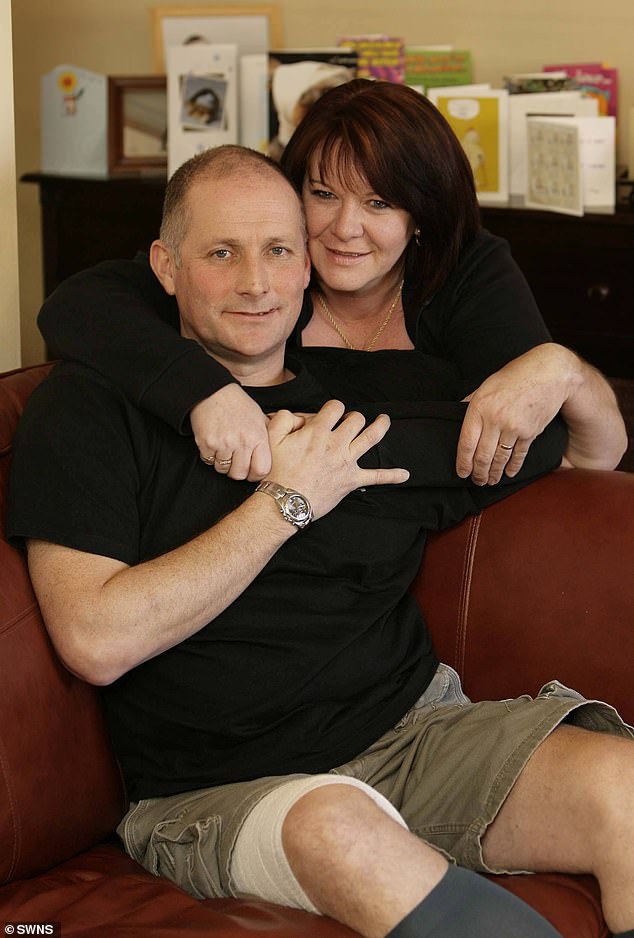
Sampson, who retired from the force six years after the attack, remains a man of extraordinary empathy. Despite the scars he carries, he expressed a hope that Suleiman’s next victims would be as “lucky” as he was—lucky to survive an encounter with a man who “fights like no one else.”
Conclusion: Lessons for 2026 and Beyond
The story of Neil Sampson and Essa Suleiman is more than a true-crime tale; it is a cautionary narrative about the complexities of the modern justice system. As we navigate the challenges of the mid-2020s, the case underscores the need for:
- Enhanced Monitoring: More robust tracking for individuals with a history of “extreme violence” who are released on licence.
- Integrated Mental Health Care: Better transition services for those moving from secure psychiatric facilities back into the community.
- Support for First Responders: Recognizing the long-term psychological impact on officers like Sampson, who must live with the knowledge that their attackers may walk the streets again.
Neil Sampson’s survival is a testament to the resilience of the human spirit. However, his story serves as a stark reminder that in the battle between public safety and offender rehabilitation, the stakes are often measured in human lives.