Major Search and Rescue Operation Underway at Lough Neagh Following Jet Ski Incident

A significant multi-agency search and rescue operation is currently unfolding on the waters of Lough Neagh, Northern Ireland, following urgent reports that a person entered the water after a jet ski incident. Emergency services were alerted to the situation early Thursday afternoon, triggering a large-scale response aimed at locating the individual as quickly as possible.
The operation, which involves specialized teams from across the region, highlights the inherent risks associated with water-based recreational activities on one of the UK and Ireland’s largest inland waterways. As of 2026, safety protocols on Lough Neagh remain a priority, with local rescue organizations emphasizing the importance of preparedness and vigilance.
The Incident: Timeline and Response
The alarm was raised at approximately 1:20 PM on Thursday, April 30th. According to initial reports, the individual had departed from the Gawley’s Gate area, a popular access point on the shore of Lough Neagh near Aghalee.
The Police Service of Northern Ireland (PSNI) confirmed they received reports of a person in the water in the vicinity of the Derryola Bridge Road area in Craigavon. The response was immediate, with multiple emergency agencies coordinating their efforts to cover the vast search area.
Coordinated Multi-Agency Efforts
The scale of the search reflects the severity of the situation. The following agencies have been deployed to the scene to assist in the operation:
Lough Neagh Search and Rescue (LNSAR): Tasked at 1:28 PM, their crews were among the first on the scene, utilizing their rapid-response lifeboats to navigate the search grid.
HM Coastguard: Coordinating the maritime response and providing aerial support.
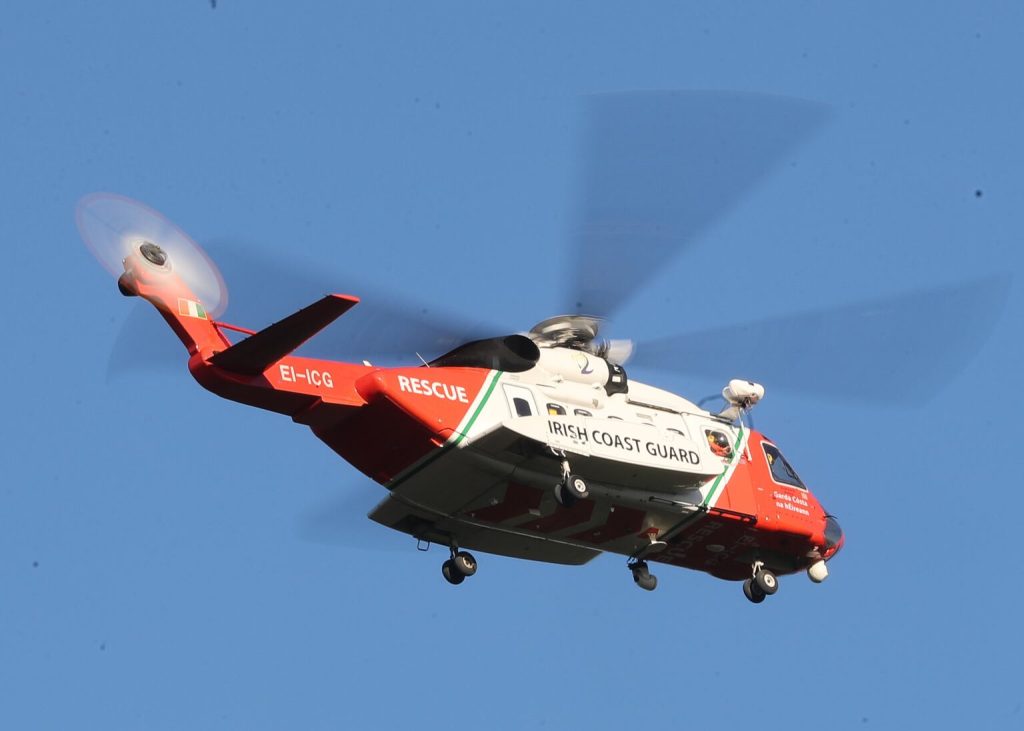
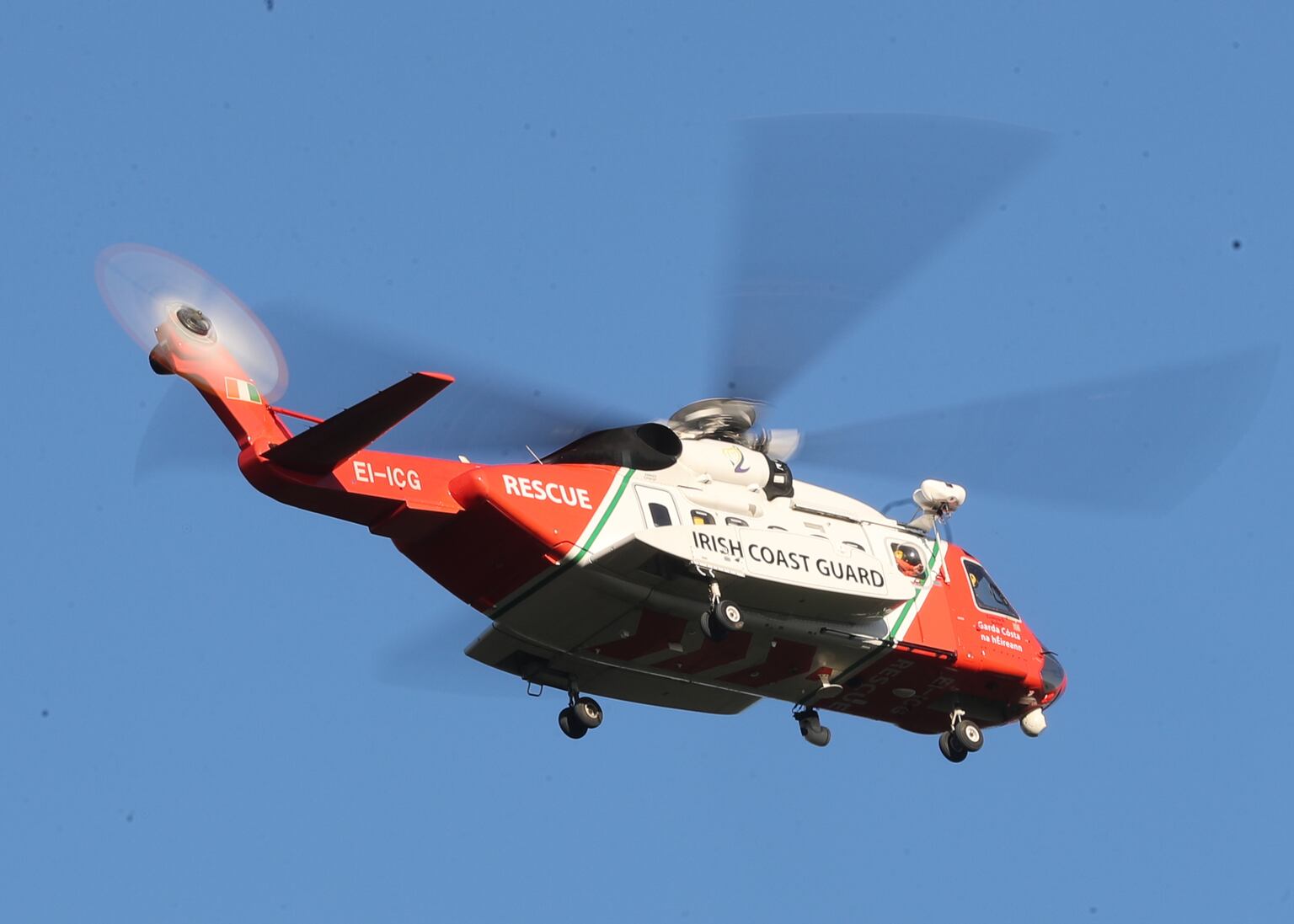
Rescue 118 Helicopter: The Irish Coast Guard’s Sligo-based helicopter was tasked to provide high-altitude surveillance and search capabilities.
Bristow Helicopters: Additional aerial assets from Dublin were brought in to bolster the search grid, ensuring maximum coverage of the Lough.
PSNI and NIFRS: Ground-based officers and fire service personnel are securing the shoreline and managing the perimeter to ensure public safety.
Understanding the Challenges of Lough Neagh
Lough Neagh is a massive body of water, spanning over 150 square miles. Its size alone presents significant challenges for rescue teams, particularly when weather conditions shift or visibility declines.
Why Search Operations are Complex
Water rescues on such a large scale are rarely straightforward. Several factors contribute to the difficulty of locating a person in the water:
- Environmental Variables: Even on calm days, the depth and temperature of the water can fluctuate. In 2026, rescue teams have noted that wind patterns across the Lough can change rapidly, pushing debris and persons in the water far from the original point of entry.
- Scale of the Search Area: With over 100 miles of shoreline, the search grid must be meticulously managed. Teams must use sophisticated sonar and visual sweep patterns to ensure no area is overlooked.
- Time Sensitivity: The “golden hour” for water rescue is critical. The involvement of multiple helicopters and specialized lifeboats is designed to maximize the chances of a successful recovery by narrowing the search area down through high-speed, coordinated grid patterns.
Safety and Public Advisory
The PSNI has issued a direct appeal to the public to avoid the Derryola Bridge Road area and the surrounding shorelines. Large-scale emergency operations require clear access routes for ambulances, rescue vehicles, and equipment transport.
How the Public Can Help
While the instinct to assist is strong, the authorities are urging the public to stay clear of the search zone. Interfering with the operation or gathering at the shoreline can hinder the movement of emergency responders.
If you have any information regarding the incident, please contact the authorities immediately. You can reach the PSNI via the non-emergency number 101, quoting reference 802. Providing accurate information about the time of the incident or the specific area of departure can be vital for the search teams.
The Role of Lough Neagh Rescue in 2026
Lough Neagh Rescue (LNR) serves as a vital pillar of safety for the region. Throughout 2026, the organization has continued to refine its training, focusing on rapid lifeboat deployment, advanced radio communication, and recovery techniques.
Recent incidents—such as the rescue of individuals from an inflatable kayak in challenging, high-wind conditions—demonstrate the team’s ability to handle high-stress environments. Their presence at the current incident underscores their commitment to the safety of all who use the Lough for recreation.
Looking Ahead: Water Safety Awareness
This ongoing incident serves as a sobering reminder of the dangers associated with jet skiing and other water sports. Whether you are an experienced operator or a beginner, safety should always be the primary concern.
Essential Safety Tips for Water Users:
Wear a Life Jacket: Always wear a high-visibility, properly fitted personal flotation device (PFD).
Check the Weather: Conditions on Lough Neagh can change in minutes. Check local forecasts before setting off.
Communication: Carry a waterproof VHF radio or a phone in a sealed, floating pouch.
Share Your Plan: Always let someone on shore know your intended route and your expected return time.
Stay Within Limits: Know the limitations of your vessel and your own swimming ability.
Conclusion
As the search and rescue operation continues into the evening, the thoughts of the local community remain with the missing individual and their family. The dedication shown by the Lough Neagh Search and Rescue crews, the Coast Guard, and all supporting agencies is a testament to the professionalism and bravery of those who protect our waterways.
The situation remains fluid, and emergency services are working tirelessly to resolve the incident. For those following the story, please rely on official updates from the PSNI and the official social media channels of the rescue organizations involved. Your cooperation by staying away from the scene is the best way to support those currently working to bring the person home.