A New Dawn for Budapest: Péter Magyar Secures Path to Unlocking Billions in EU Funds

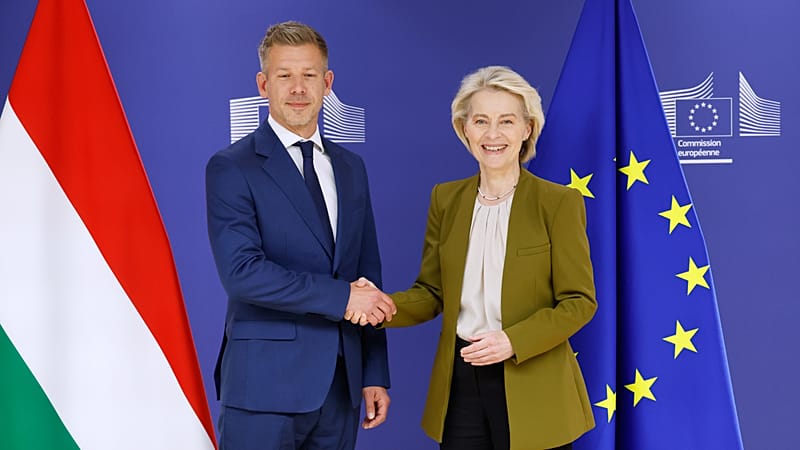
The political landscape in Hungary has undergone a seismic shift in 2026. Following his decisive election victory on April 12, incoming Prime Minister Péter Magyar has wasted no time in addressing the most pressing issue facing the nation’s economy: the billions of euros in frozen EU funding. After a high-stakes visit to Brussels, the atmosphere between Budapest and the European Commission has transformed from years of adversarial tension to a collaborative, forward-looking partnership.
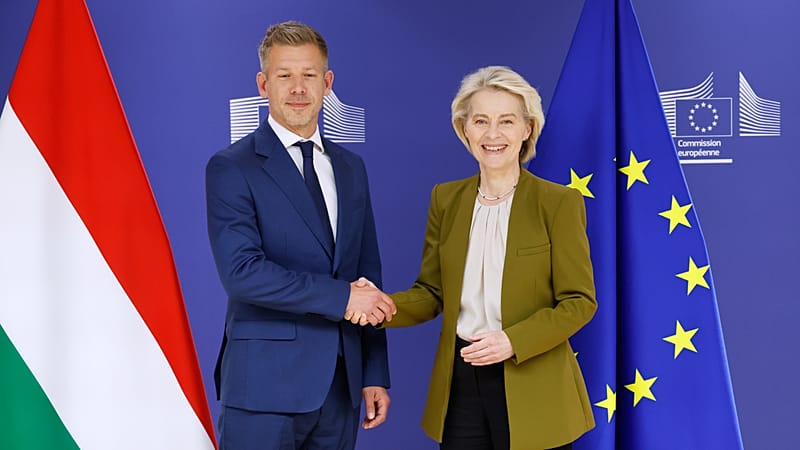
Magyar’s recent meeting with European Commission President Ursula von der Leyen marks a turning point for Hungary. As the country prepares for a new administration, the promise of unlocking withheld recovery funds offers a vital lifeline to an economy that has struggled under the weight of long-term isolation from European capital markets.
The Brussels Breakthrough: A Diplomatic Reset
The meeting between Magyar and von der Leyen was the first direct engagement since the election results were finalized. Both sides described the dialogue as “highly constructive and productive,” signaling a departure from the strained relations that defined the Orbán era.
For the European Commission, the shift in leadership in Budapest provides a long-awaited opportunity to bring Hungary back into the fold of shared European values. Von der Leyen, who had often clashed with the previous administration, struck a noticeably optimistic tone. “The Commission will support your efforts to address these issues and realign with shared European values,” she stated, emphasizing a vision of a “prosperous Hungary at the heart of our shared European home.”
Racing Against the August Deadline
The urgency of these talks cannot be overstated. Hungary faces a critical August deadline to secure a deal, or risk permanently losing access to approximately €10 billion in post-pandemic recovery funds. These funds are essential for infrastructure modernization, digital transition, and economic revitalization.
Magyar is keenly aware that his administration’s first few months will set the tone for his entire term. By securing a political agreement before the summer, he aims to provide immediate relief to the Hungarian economy while proving to his electorate that he can deliver results where his predecessor failed.
Navigating the Delicate Balance: Sovereignty vs. Integration
While the promise of incoming funds is a win for the Hungarian public, Péter Magyar faces a complex political tightrope. He must satisfy the European Commission’s rigorous requirements regarding rule of law, anti-corruption measures, and judicial independence without appearing to surrender national sovereignty to Brussels.
Strengthening Democratic Institutions
The European Union has consistently cited concerns regarding judicial interference and corruption as the primary reasons for freezing funds. To unlock these resources, the incoming government has indicated a willingness to implement structural reforms.
Rule of Law: Strengthening the independence of the judiciary to meet EU standards.
Anti-Corruption: Enhancing transparency in public procurement processes.
- Democratic Backsliding: Realigning Hungarian legislative frameworks with EU benchmarks.
Magyar has maintained that while he seeks a “constructive” relationship with the EU, he will not accept conditions that are “contrary to Hungary’s national interests.” This messaging is crucial for his domestic base, as he aims to present himself as a pragmatic, independent leader capable of navigating international diplomacy on his own terms.
The Defense Strategy: The SAFE Plan
Beyond the recovery funds, Hungary is also eyeing the SAFE (Strategic Assistance for European) defense plan. This initiative, which could provide Hungary with access to roughly €16 billion in low-interest European loans, has been on hold for months. Brussels had effectively paused the approval process, waiting to see which direction Hungary’s political trajectory would take following the general election.
With the political uncertainty now resolved, the path to approving these defense loans appears clearer. These funds are vital for upgrading Hungary’s military capabilities and contributing to the broader security architecture of the European Union.
What to Expect in Late May
The momentum from the Brussels meeting is set to continue. Péter Magyar is scheduled to return to the EU headquarters on May 25 for an official visit. This trip is expected to be the formal conclusion of the political agreement regarding the release of the frozen assets.
The timing is symbolic as well as practical. With Magyar’s inauguration set for May 9—coinciding with Europe Day—the new Prime Minister is positioning his government as a pro-European, reform-minded entity that is ready to participate fully in the bloc’s decision-making processes.
Key Takeaways for the Hungarian Economy
- Immediate Liquidity: The injection of EU funds will likely stabilize the Hungarian forint and reduce borrowing costs.
- Investor Confidence: A deal with the EU will signal to international markets that Hungary is a stable, predictable destination for Foreign Direct Investment (FDI).
- Modernization Projects: Unlocked funds will accelerate the deployment of green energy and digital infrastructure projects that were previously stalled.
Conclusion: A New Chapter for Budapest
The meetings in Brussels represent more than just a financial transaction; they symbolize a fundamental shift in Hungary’s geopolitical standing. By prioritizing diplomacy and demonstrating a commitment to institutional reform, Péter Magyar has positioned Hungary to reclaim its seat at the table of European progress.
As the government moves toward its May 25 visit, the focus will remain on the fine print of the political agreement. If successful, the release of these funds will provide the necessary capital to revive an ailing economy and offer a glimpse into a future where Hungary is both a strong defender of its national interests and a reliable, integrated partner within the European Union.
The coming months will be a test of endurance and political skill for the new administration. However, with the initial hurdles cleared, the outlook for Hungary’s integration and economic recovery is brighter than it has been in years.