Beyond the Waitlist: What Canada Must Learn from Germany’s Orthopedic Success in 2026


For Elizabeth Sandomeer, the difference between living in chronic pain and regaining her mobility was exactly two months. A former Canadian now residing in Hamburg, Germany, Sandomeer needed her second knee replacement. Unlike many of her counterparts back in Canada, she didn’t face a multi-year odyssey of referrals and cancellations. She saw her surgeon, and eight weeks later, she was in the operating room.
In 2026, the contrast between the German and Canadian healthcare systems regarding orthopedic care has reached a tipping point. While Canada struggles with aging infrastructure and a “rationing” mindset, Germany has optimized a high-volume, high-efficiency model that treats patients as assets rather than costs.

The Great Divide: Why Germany Outpaces Canada
The statistics for 2026 remain startling. Germany continues to perform significantly more hip and knee replacements per capita than almost any other G7 nation. In Canada, these surgeries are among the most frequently performed, yet they remain plagued by the longest wait times.
The reasons for Canada’s backlog are multifaceted: staff shortages, limited operating room (OR) availability, an aging “boomer” population, and an influx of trauma cases that frequently bump elective surgeries. However, experts suggest the root cause isn’t just a lack of money—it’s how that money is used.
The Power of Activity-Based Funding
The cornerstone of the German model is activity-based funding tied to Diagnosis-Related Groups (DRGs). In simple terms, German hospitals earn more money by treating more patients. This creates a natural incentive for efficiency and volume.
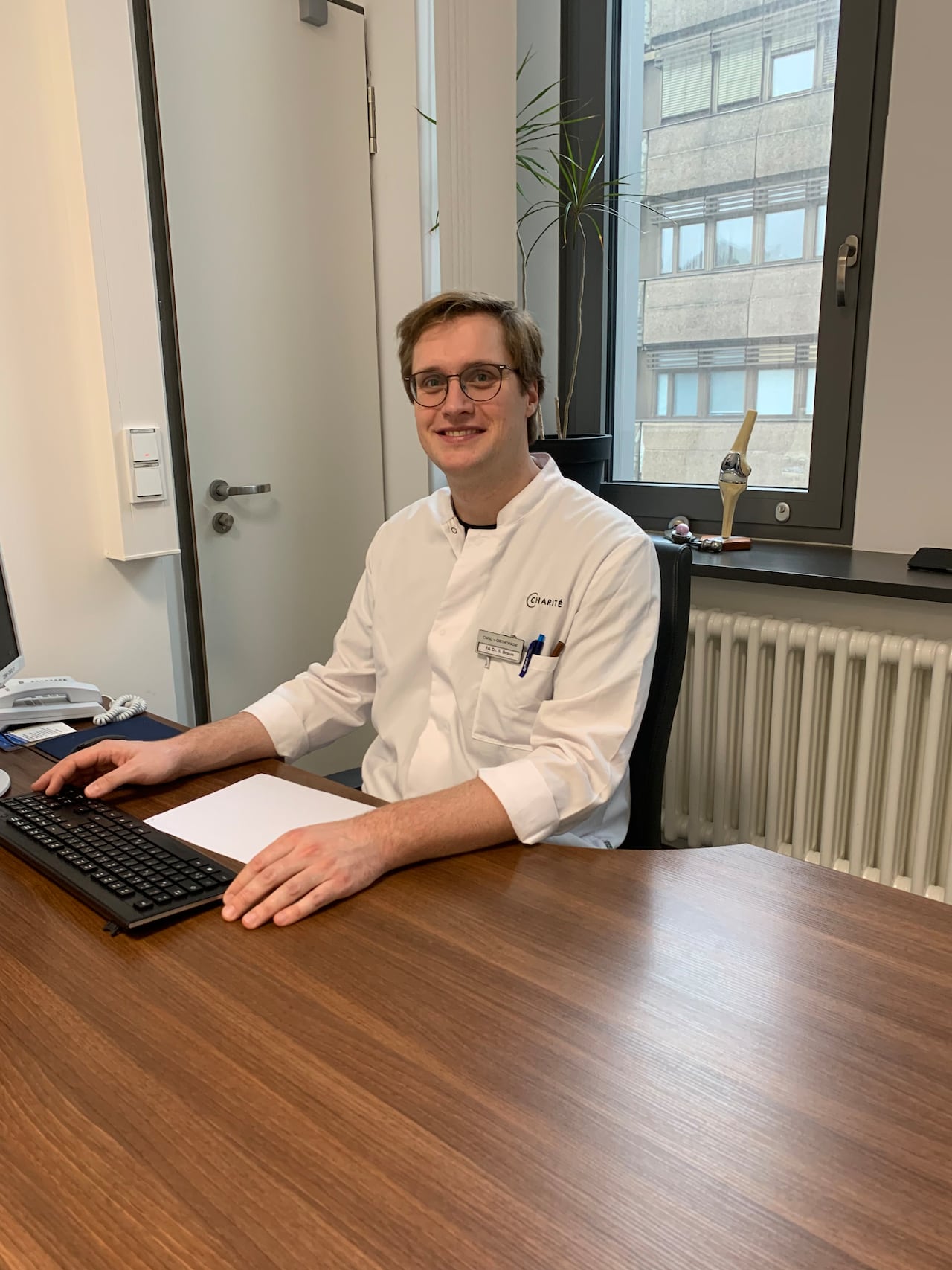
“Every case counts,” explains Dr. Sebastian Braun, an orthopedic surgeon at Charité – Universitätsmedizin Berlin. “We hope to get as many cases through the week as possible because the funding follows the patient.”
In contrast, most Canadian provinces utilize global budgets. A hospital receives a set amount of money for the year. In this “single-payer” framework, every new patient represents a drain on a fixed resource. As Dr. Pierre Guy, a Vancouver-based orthopedic surgeon, puts it: “We’re really not competing here; we’re rationing.”
Infrastructure and the “Bed Gap”
One cannot discuss surgical volume without addressing physical capacity. As of 2026, the disparity in hospital infrastructure between the two nations is vast.
Canada: Averages approximately 2.5 hospital beds per 1,000 people.
Germany: Boasts roughly 7.7 beds per 1,000 people.
OECD Average: Sits around 4.2 beds per 1,000 people.
In Germany, a surgeon might have access to five operating rooms and a 90-bed ward. A Canadian surgeon in a similar metropolitan area might be restricted to one or two ORs with only 30 available beds for post-operative recovery. This “capacity ceiling” means that even if Canada hired more surgeons tomorrow, they would have nowhere to operate.

Workforce Density: The Surgeon Ratio
Germany has nearly four times the number of orthopedic surgeons per 100,000 people compared to Canada. This density allows for a more competitive environment where patients can seek multiple opinions and choose surgeons based on reputation and wait times.
In Canada, the “gatekeeper” system requires a referral from a primary care physician to see a specialist. This process alone can take months, creating a “hidden waitlist” before a patient even enters the surgical queue.
Lessons in Access: Direct Referral vs. Centralized Intake
In Hamburg, Elizabeth Sandomeer didn’t need to wait for a family doctor’s referral to see her surgeon. She called the specialist directly. This direct access model places the power in the hands of the patient and forces the system to respond to demand.
Canada’s centralized intake system, while designed to distribute patients more evenly, often acts as a bottleneck. While some researchers argue that a centralized system should be more efficient, the reality on the ground in 2026 suggests otherwise.
Dr. Paul Beaulé, second president-elect of the Canadian Orthopaedic Association, notes that “not being able to access the surgeon directly is a problem. Opening that valve would put the necessary pressure on the system to ensure the surgery actually occurs.”

The 2026 Outlook: Is Innovation the Answer?
As we move through 2026, the call for innovation in Canadian healthcare has never been louder. We cannot continue with the status quo and expect the “waitlist crisis” to vanish.
1. Embracing Hybrid Funding Models
Germany is currently refining its system into a hybrid model that combines activity-based funding with set amounts for essential services. This prevents hospitals from “cherry-picking” only the easiest cases while still rewarding high-volume efficiency. Canada could benefit from a similar “pay-for-performance” pilot program specifically for orthopedics.
2. Maximizing “Dark” OR Time
One of the most immediate solutions being discussed in 2026 is the better utilization of existing space. Many Canadian operating rooms sit empty on evenings and weekends.
The Holland Centre Success: Sunnybrook Hospital’s Holland Centre in Toronto has successfully implemented weekend OR shifts to tackle the backlog.
- Scalability: Expanding this model nationwide requires a shift in how staff are compensated and how unions negotiate “after-hours” care.
3. Increasing Surgical Autonomy
Allowing patients to bypass some of the bureaucratic hurdles of the referral system would provide a clearer picture of the actual demand for surgery. When patients have the freedom to choose, hospitals are forced to innovate to remain attractive.

The Economic Cost of Waiting
The debate isn’t just about comfort; it’s about the economy. In 2026, the economic impact of surgical wait times in Canada is measured in billions of dollars of lost productivity. When a 55-year-old worker waits two years for a hip replacement, they often leave the workforce, require disability support, and suffer from secondary health issues like depression or cardiovascular decline due to inactivity.
Germany views orthopedic surgery as an investment in human capital. By returning citizens to mobility quickly, they keep their workforce active and reduce long-term social spending.
Conclusion: A Path Forward for Canada
Germany’s success proves that long wait times for hip and knee replacements are not an inevitability of a public healthcare system. It is a result of specific policy choices regarding funding, capacity, and access.
For Canada to bridge the gap by 2030, the strategy must be three-pronged:
- Shift the Incentives: Move away from restrictive global budgets toward models that reward hospitals for every successful surgery performed.
- Expand the Infrastructure: Increase the number of available beds and OR hours to match OECD averages.
- Empower the Patient: Streamline the referral process and allow for more direct interaction between patients and orthopedic specialists.
As Dr. Paul Beaulé succinctly stated: “We can’t be doing the same thing and expect a different outcome.” The German model offers a roadmap. It’s time for Canada to decide if it’s ready to drive.