UK Terrorism Threat Level Escalates to ‘Severe’: What the Golders Green Attack Means for National Security in 2026

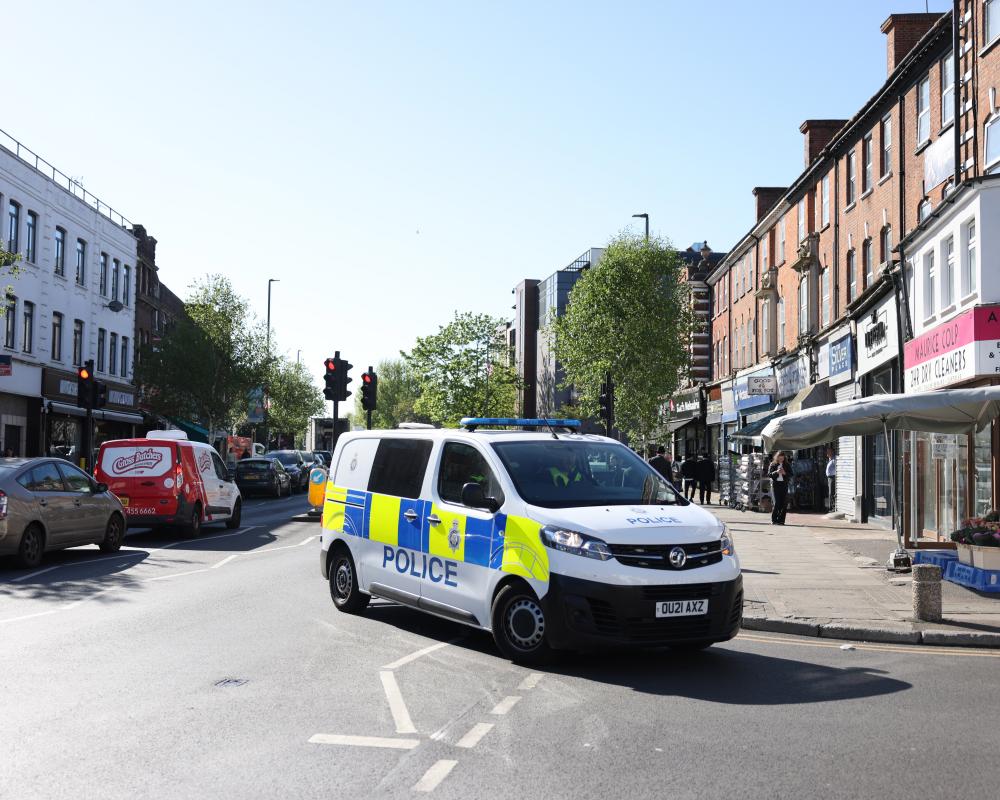
The landscape of British national security shifted dramatically this week. Following a harrowing stabbing incident in Golders Green, the Joint Terrorism Analysis Centre (JTAC) has officially raised the UK’s national terrorism threat level from “substantial” to “severe.” This adjustment signals a critical turning point for the country in 2026, indicating that a terrorist attack is now considered highly likely within the next six months.
Home Secretary Shabana Mahmood confirmed the escalation on Thursday, April 30, 2026, describing the recent violence in North London as a “vile act of terrorism.” As the nation grapples with this heightened state of alert, understanding the nuances behind this decision and the broader security environment is essential for every citizen.
Understanding the Shift: From ‘Substantial’ to ‘Severe’
The UK’s terrorism threat levels are a tool used by security experts to communicate the likelihood of an attack. Managed by JTAC—an independent body comprised of representatives from 16 government departments and agencies, including MI5—the system consists of five distinct levels:
- Low: An attack is highly unlikely.
- Moderate: An attack is possible but not likely.
- Substantial: An attack is likely.
- Severe: An attack is highly likely.
- Critical: An attack is highly likely in the near future.
By moving the needle to “severe,” the government is acknowledging a heightened state of risk that hasn’t been felt with this intensity in recent years. While “substantial” suggested that the intent and capability for an attack were present, “severe” indicates that the probability of an incident occurring has reached a threshold where the public and security services must be on high alert.
The Golders Green Attack: A Catalyst for Change
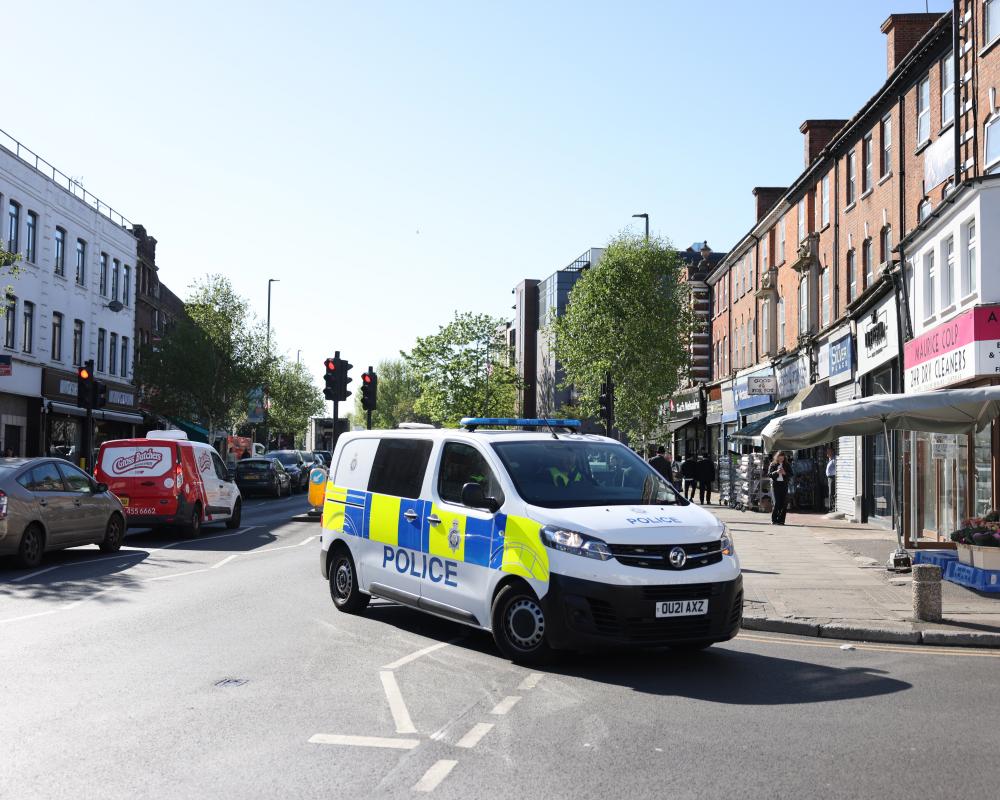
The immediate trigger for this re-evaluation was the double stabbing of two Jewish men in Golders Green, a prominent hub for the UK’s Jewish community. The attack, which occurred on Wednesday, sent shockwaves through the neighborhood and the wider country.
Witnesses described a scene of chaos and targeted violence, which the Home Office has since categorized as an antisemitic terror attack. While the physical wounds of the victims are being treated, the psychological impact on the community has been profound.
“I know this will be a source of concern to many, particularly amongst our Jewish community, who have suffered so much,” Mahmood stated. Her words reflect a growing anxiety regarding the safety of religious minorities in the UK, as domestic tensions continue to simmer in 2026.
Beyond Golders Green: A Multi-Faceted Threat
While the Golders Green incident was the “tipping point,” the Home Office was quick to clarify that the decision to raise the threat level was not based solely on this single event. Instead, it is the result of a cumulative rise in threats that have been building over several months.
1. Islamist and Extreme Right-Wing Radicalization
The UK continues to face a dual threat from Islamist extremists and extreme right-wing (XRW) terrorists. In 2026, the lines between these ideologies often blur in their shared use of the internet for radicalization. JTAC’s assessment highlights that individuals and small groups—often acting as “lone actors”—are increasingly becoming the primary concern for counter-terrorism police.
2. State-Linked Physical Threats
A notable and chilling addition to the 2026 security assessment is the mention of state-linked physical threats. The Home Office noted that the current environment is being influenced by foreign actors who are encouraging acts of violence within the UK. This “backdrop of increased state-linked physical threats” suggests that geopolitical tensions are manifesting as domestic instability, with foreign entities potentially weaponizing local grievances to incite violence.
3. The Rise of Antisemitism
The targeting of the Jewish community is a specific and growing concern. The Golders Green attack is seen as part of a broader trend of rising antisemitism that has plagued the UK. The government has responded by announcing record funding for policing and security at synagogues, schools, and community centers, aiming to provide a visible and physical deterrent against hate-fueled violence.
Government and Police Response: Protecting the Public
In response to the “severe” rating, the UK government has activated a series of heightened security protocols. The Home Secretary has pledged “everything in our power” to combat the “evil of antisemitism” and ensure national safety.
Record Funding for Community Security
The 2026 budget for community safety has seen a significant increase. This investment is specifically earmarked for:
Enhanced CCTV and Surveillance: Upgrading technology around sensitive religious and cultural sites.
Increased Patrols: A more visible police presence in high-risk areas, particularly during religious holidays and communal gatherings.
Security Personnel: Subsidizing professional security guards for Jewish schools and community hubs.
The Role of Counter-Terrorism Policing
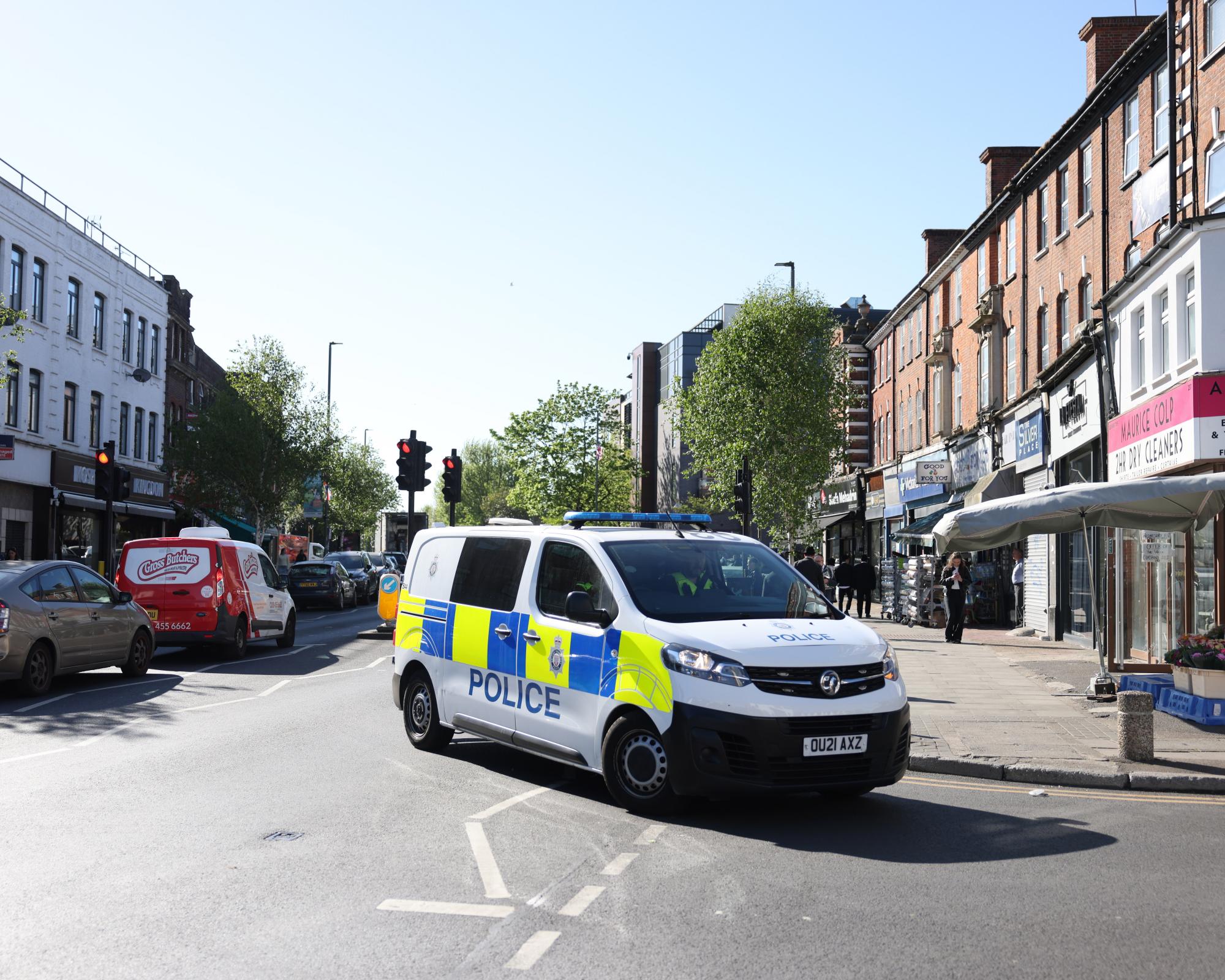
UK counter-terrorism units are currently working “day and night” to disrupt potential plots. The “severe” level allows for greater resource allocation and more intensive monitoring of known persons of interest. However, officials emphasize that the most effective tool in their arsenal remains public vigilance.
Public Vigilance: What You Should Do
As the threat level rises, the message from the Home Office is clear: be alert, not alarmed. The “highly likely” status of an attack means that the public’s eyes and ears are more important than ever.
Report Suspicious Activity: If you see something that doesn’t feel right—whether it’s unattended luggage, someone taking unusual photos of security infrastructure, or concerning behavior online—report it to the police or via the Anti-Terrorist Hotline.
Follow Official Guidance: Stay updated through official government channels and trusted news outlets. Avoid spreading unverified rumors on social media, which can cause unnecessary panic.
Community Resilience: Maintaining daily routines while remaining aware of surroundings is the best way to counter the intended psychological impact of terrorism.
The Global Context: 2026 Security Challenges
The escalation in the UK does not exist in a vacuum. Globally, 2026 has been a year of significant geopolitical shifts. The intersection of technological advancement (such as AI-driven radicalization) and economic instability has created a fertile ground for extremist ideologies.
The UK’s “severe” threat level reflects a global trend where domestic security is increasingly tied to international conflicts. By acknowledging the role of state-linked threats, JTAC is signaling that the modern terrorist threat is no longer just about ideology—it’s also about hybrid warfare.
Conclusion: A United Front Against Terror
The raising of the UK terrorism threat level to “severe” is a sobering reminder of the challenges facing the nation in 2026. The attack in Golders Green was not just an assault on two individuals; it was an attack on the values of a pluralistic and safe society.
While the “highly likely” assessment is concerning, it also triggers a massive mobilization of the UK’s world-class security services. From MI5 to local police units, the machinery of the state is focused on prevention and protection. As Home Secretary Shabana Mahmood noted, the goal is to “rid society of the evil of antisemitism” and ensure that every citizen, regardless of their background, can live without fear.
The coming months will require a collective effort. Through increased government investment, rigorous policing, and a vigilant public, the UK aims to navigate this period of heightened risk and emerge more resilient.