Louisiana Redistricting Crisis: Why Gov. Landry Is Suspending Primaries for the 2026 Midterms

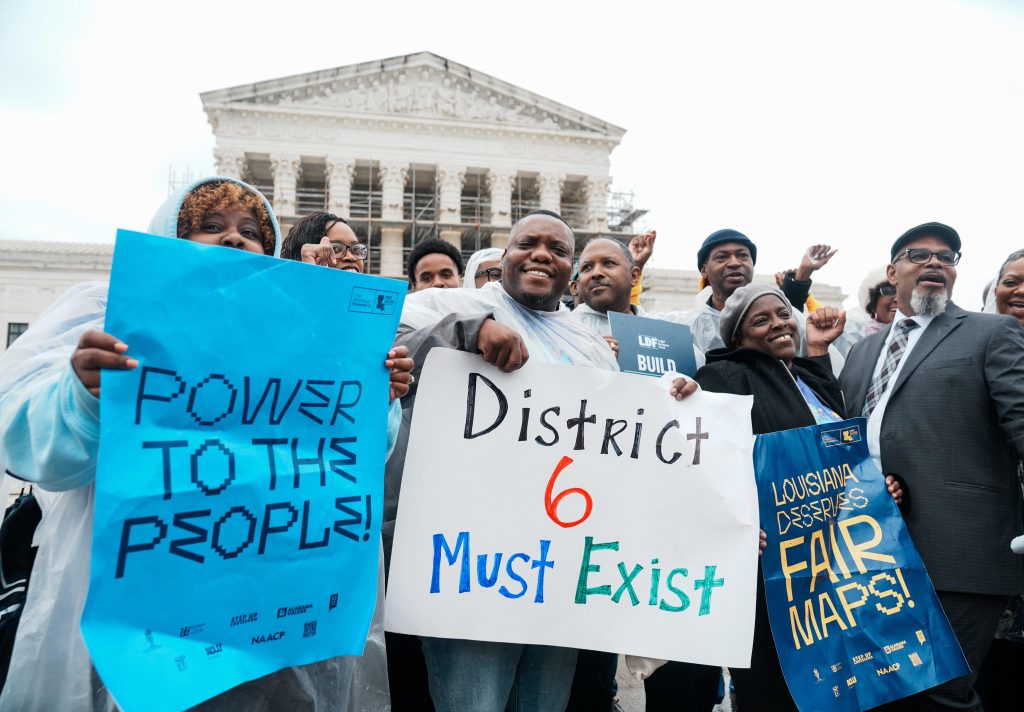
The political landscape of the Pelican State is currently undergoing a seismic shift that could redefine the balance of power in Washington D.C. As we navigate the high-stakes environment of the 2026 midterm elections, Louisiana Governor Jeff Landry has made a move that has sent shockwaves through the halls of Congress. By preparing to suspend the state’s scheduled congressional primaries, Landry is responding to a landmark Supreme Court ruling that has effectively dismantled Louisiana’s existing congressional map.
This decision isn’t just a local administrative tweak; it is a calculated response to a judicial mandate that labeled the state’s previous boundaries an “unconstitutional gerrymander.” As the nation watches, Louisiana is racing against the clock to redraw its lines, potentially flipping the script on House control and the future of the Voting Rights Act.
The Catalyst: A Supreme Court Intervention
The current chaos stems from a pivotal 6-3 decision by the U.S. Supreme Court. The conservative majority ruled that Louisiana’s congressional map relied too heavily on race to sort voters, thereby violating the Equal Protection Clause. While the map was originally designed to include two majority-Black districts—reflecting the fact that Black residents make up roughly one-third of the state’s population—the court found this approach constituted a “racial quota.”
Justice Samuel Alito, writing for the majority, emphasized that while the Voting Rights Act protects against minority vote dilution, it does not mandate the creation of districts based solely on racial demographics without evidence of intentional discrimination. This ruling has effectively upended the legal framework that many Southern states used to balance representation.
Governor Landry’s Strategic Suspension
In the wake of the ruling, Governor Jeff Landry, a staunch Republican, signaled his intent to suspend the U.S. House primary elections originally set for May. The logic is simple yet controversial: you cannot hold an election for districts that no longer legally exist.
Why Suspend the Primaries?
- Legal Necessity: Holding elections on a map deemed unconstitutional would invite immediate federal injunctions.
- Legislative Timeframe: Lawmakers need a window to convene a special session to draw new boundaries that satisfy the Supreme Court’s new criteria.
- Party Strategy: By delaying the process, the GOP-led legislature can ensure the new map maximizes their electoral advantages heading into the November general election.
The suspension specifically targets the House races. Interestingly, the U.S. Senate party primary is expected to proceed as scheduled on May 16, as those boundaries are statewide and unaffected by the redistricting ruling.
The Shift to the “Jungle Primary”
One of the most significant changes resulting from this suspension is the transition to a “jungle primary” for the November 3 election. In a traditional party primary, Democrats and Republicans vote separately to choose their nominees. However, under the jungle primary system (officially known as a nonpartisan plurality primary), all candidates—regardless of party affiliation—appear on the same ballot.
If no candidate receives more than 50% of the vote in November, the top two finishers will head to a runoff. This system often favors well-funded incumbents or candidates who can appeal to a broader, more moderate base, though in the current polarized climate, it remains a wildcard for both parties.
National Implications: The Battle for the House
Louisiana’s redistricting isn’t happening in a vacuum. With a razor-thin majority in the U.S. House of Representatives, every seat counts. Speaker Mike Johnson, himself a Louisianian, is acutely aware that a redrawn map could provide the GOP with a crucial one-to-two-seat boost.
Potential Gains for the GOP
The map rejected by the Supreme Court featured two districts likely to elect Democrats. A redrawn map, focused more on “compactness” and “traditional redistricting principles” rather than racial demographics, could easily dissolve one of those majority-Black districts. This would likely result in a 5-1 Republican advantage in the state’s delegation, strengthening the GOP’s grip on the House as they head into the 2026 midterms.
The Defense of Voting Rights
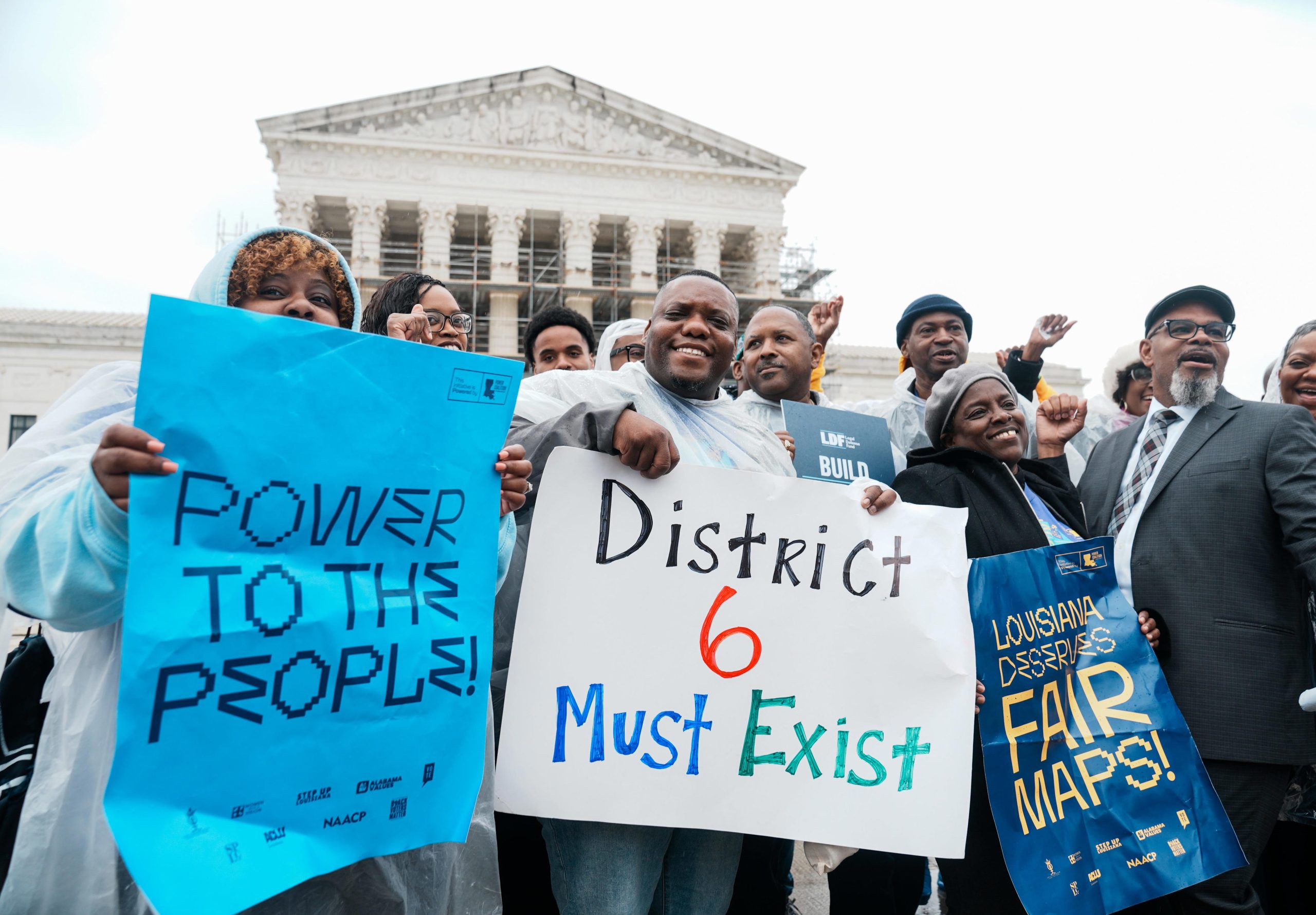
On the other side of the aisle, civil rights advocates and Democratic strategists argue that this ruling is a “blow to landmark civil rights law.” They contend that by weakening Section 2 of the Voting Rights Act, the court is making it harder for minority communities to elect candidates of their choice. The scramble in Louisiana is seen by many as a precursor to similar battles in Georgia, Alabama, and South Carolina.
The Legal Tightrope: What Happens Next?
The road to a new map is fraught with legal hurdles. While Governor Landry and Attorney General Liz Murrill are pushing for a quick legislative fix, the lower courts still have a role to play.
The Lower Court Mandate: The federal court that first heard the case must wait for the Supreme Court to send a certified copy of its decision—a process that can take weeks unless expedited.
The “Time is of the Essence” Argument: Lawyers for the non-Black voters who challenged the map are urging the courts to move quickly. They argue that any delay risks disenfranchising voters or forcing the state to use an unconstitutional map out of “administrative necessity.”
The 2026 Outlook: State officials have indicated that while the immediate focus is the November 2024/2025 cycle, the map drawn now will likely be the definitive boundary for the 2026 midterm elections.
Analyzing the “Racial Gerrymandering” Paradox
The core of the legal debate lies in a paradox: How do you protect the voting power of minorities without making race the “predominant factor” in drawing lines?
The Supreme Court’s 2026-era jurisprudence suggests a shift toward “race-blind” redistricting. However, critics argue that in a state with a history of polarized voting like Louisiana, ignoring race is effectively a choice to dilute the minority vote. This tension ensures that whatever map the Louisiana legislature produces will almost certainly face a new round of litigation.
Impact on Louisiana Voters
For the average Louisianian, these high-level legal battles translate to confusion at the ballot box.
Voter Education: With primaries suspended and the format changing to a jungle primary, the state will need a massive voter education campaign.
Early Voting: Early voting, which was set to begin in early May, is now in limbo for House races.
Representation: Residents in the affected districts may find themselves in entirely new areas with different representatives, disrupting the constituent-representative relationship.
Conclusion: A Defining Moment for the Pelican State
Governor Jeff Landry’s decision to suspend the primaries is a bold move that underscores the volatility of modern American redistricting. As Louisiana lawmakers return to the drawing board, the stakes couldn’t be higher. The outcome will not only determine who represents Louisiana in the 120th Congress but will also serve as a legal bellwether for the entire nation.
The shift toward a November jungle primary and the potential loss of a majority-minority district represent a significant turn in the state’s political history. As we move closer to the 2026 elections, Louisiana remains the ultimate battleground for the soul of the Voting Rights Act and the future of congressional representation.
Stay tuned as this story develops; the final map will likely be decided in the coming weeks, shaping the political landscape for years to come.