Bank of Canada’s Balancing Act: Why Soaring Oil Prices Could Trigger Consecutive Rate Hikes

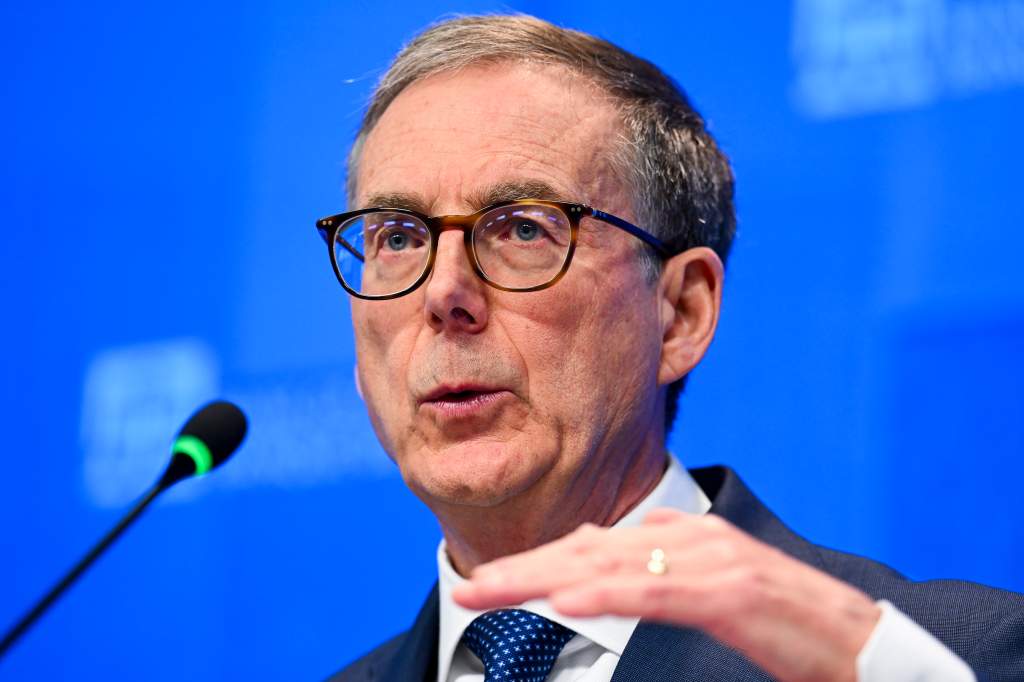
The Canadian economic landscape in 2026 is currently defined by a delicate, high-stakes tug-of-war between geopolitical instability and domestic monetary policy. As the Bank of Canada (BoC) maintains its benchmark interest rate at 2.25%, the primary architect of Canadian monetary policy, Governor Tiff Macklem, has signaled a shift in tone. While the central bank is currently in a holding pattern, the specter of “consecutive” interest rate hikes is looming, driven by the persistent volatility of global oil prices.
As the conflict in the Middle East continues to disrupt supply chains and choke the Strait of Hormuz, Canadians are feeling the ripple effects at the gas pump and the grocery store. For the Bank of Canada, the challenge is no longer just about managing domestic demand; it is about preventing an energy-driven inflation spike from becoming entrenched in the broader economy.
The Geopolitical Catalyst: Why Oil Prices Are Dictating Policy
The global energy crisis, triggered by the ongoing war in Iran and the subsequent blockade of the Strait of Hormuz, has become the central bank’s primary headache. With the Strait acting as a critical artery for 20% of the world’s oil supply, its closure has sent Brent crude soaring toward the US$109 per barrel mark.

Governor Macklem has been clear: the Bank’s current projections rest on the optimistic assumption that oil prices will eventually cool to approximately US$75 per barrel by mid-2027. However, if the “fog of uncertainty” surrounding the conflict persists, that forecast becomes obsolete. If energy costs remain elevated for an extended period, the Bank of Canada will have little choice but to pivot toward a more aggressive, hawkish stance to defend its 2% inflation target.
The Threat of “Consecutive” Increases
The term “consecutive increases” is a significant escalation in the Bank’s rhetoric. It suggests that if the energy shock begins to leak into the prices of non-energy goods—a phenomenon known as “second-round effects”—the Bank will not hesitate to raise borrowing costs in back-to-back meetings. This would be a stark departure from the current policy of cautious observation, marking a pivot toward active inflation containment.
Inflation Trends: The Hidden Costs of the Conflict
Recent data from Statistics Canada paints a concerning picture. The annual inflation rate climbed to 2.4% in March 2026, up from 1.8% in February. While this increase is technically below some market expectations, it highlights a dangerous trend: the volatility of fuel prices is beginning to permeate the cost of living.
Beyond the Gas Pump: Food Inflation Soars
The most tangible impact for the average Canadian household is the rising cost of groceries. Food suppliers have begun passing on fuel surcharges to retailers, leading to a 4.4% increase in the price of food purchased from stores in March.
- Fresh Vegetables: Prices spiked 7.8% in March, a massive jump compared to the 0.5% increase seen in February.
- Fuel Surcharges: Supply chain logistics are now inextricably linked to the price of oil, creating a systemic cost-push inflation dynamic.
- Core Inflation: Excluding volatile gasoline prices, core inflation sits at 2.2%. While this suggests the domestic economy isn’t yet spiraling out of control, the trend bears close watching.
The CUSMA Factor and Trade Uncertainty
While the Bank of Canada is preoccupied with energy-driven inflation, it must also contend with the looming review of the Canada-United States-Mexico Agreement (CUSMA). Trade tensions with the U.S. represent a dual-edged sword for Governor Macklem.
If the U.S. administration moves to impose significant new trade restrictions or tariffs on Canadian goods, the economic growth outlook for 2026—currently projected at a modest 1.2%—could be severely undermined. In such a scenario, Macklem has hinted that the central bank might be forced to cut rates to stimulate the economy, even if inflation remains elevated. This puts the Bank in an unenviable position: deciding whether to fight inflation with rate hikes or support growth with rate cuts.
Economic Outlook: Navigating the 2026 Fog
The Bank of Canada’s projections for the next few years remain cautious but cautiously optimistic:
- 2026: Projected 1.2% economic growth.
- 2027: Expected acceleration to 1.6%.
- 2028: Potential for 1.7% growth as business investments resume.
However, these figures are heavily dependent on the assumption that global trade remains relatively stable and that the energy shock is transitory. If the war in Iran continues to escalate, the “volatile” global environment could lead to a downward revision of these growth targets, further complicating the Bank’s decision-making process.
Conclusion: What This Means for Canadians
For the average Canadian, the message from the Bank of Canada is one of vigilance. The current interest rate of 2.25% is a “hold” that could turn into a series of hikes if energy prices do not subside. Borrowers should brace for potential volatility in mortgage rates and credit costs, while consumers must prepare for the possibility that elevated grocery and energy prices will remain a fixture of the economic landscape for the foreseeable future.
Governor Macklem’s strategy is clear: he is waiting to see if high energy costs become “baked into” the economy. If businesses begin to permanently adjust their pricing models to account for higher fuel costs, the Bank will be forced to intervene. As we move further into 2026, the intersection of Middle Eastern geopolitics and North American trade policy will remain the primary drivers of the Canadian economy.