Trump Surges Troops To Middle East 10000 Personnel Move As Iran Ceasefire Deadline Looms

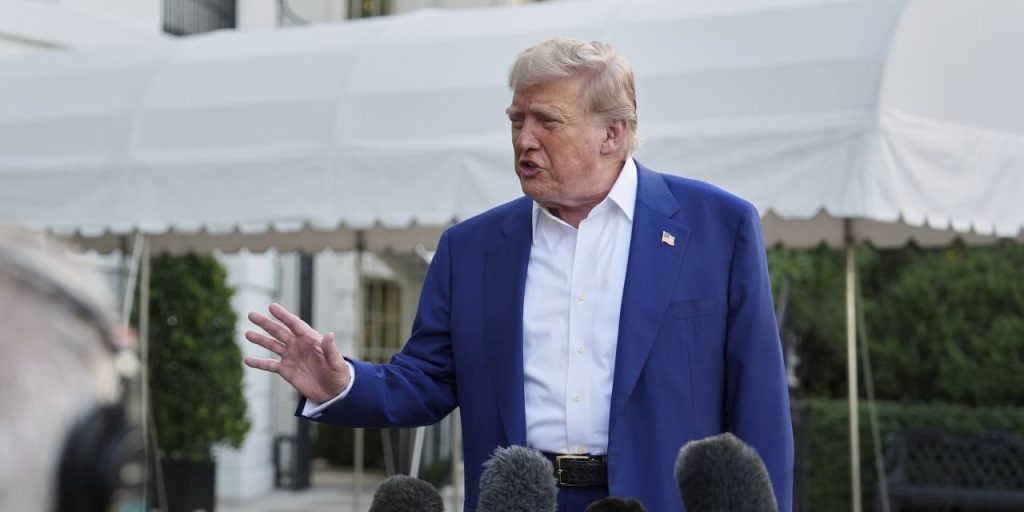
The geopolitical landscape of the Middle East has reached a critical boiling point in 2026. As the world watches with bated breath, President Donald Trump has initiated a massive military mobilization, ordering the deployment of 10,000 additional U.S. personnel to the region. This strategic surge comes at a precarious time, occurring just as the window on a fragile two-week ceasefire between Washington and Tehran begins to close.
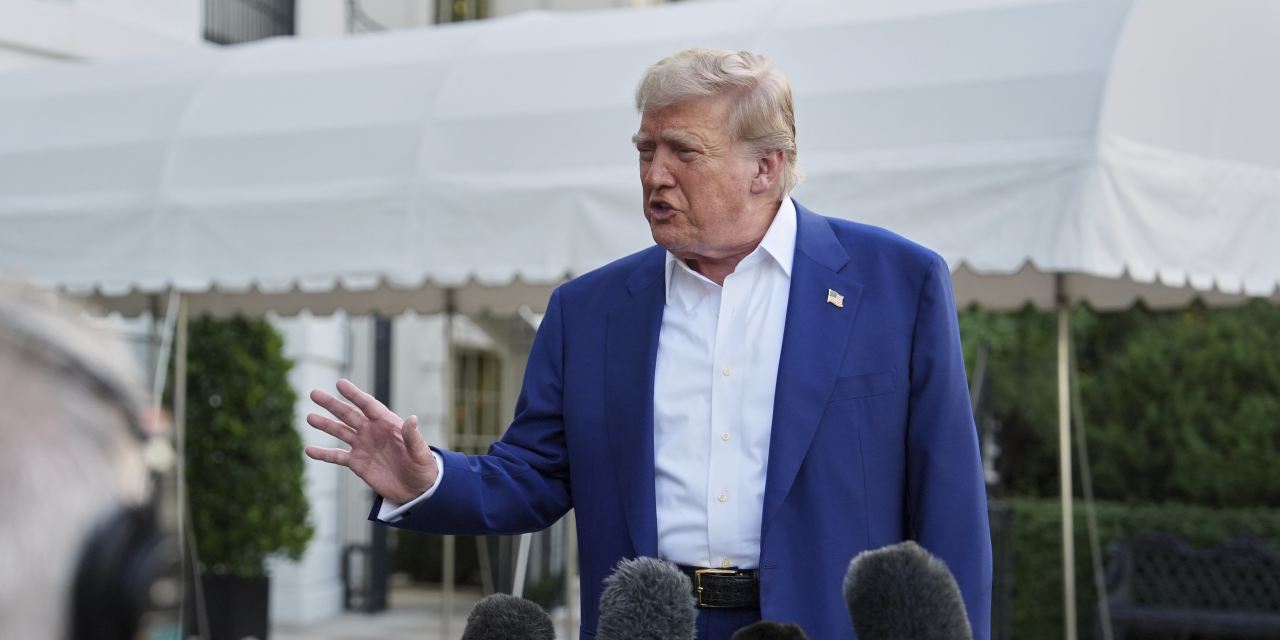
This move, characterized by the Pentagon as a “calculated show of force,” is designed to exert maximum pressure on the Iranian leadership. With the ceasefire deadline looming, the administration is betting that a overwhelming military presence will force a diplomatic breakthrough—or, failing that, ensure the U.S. is prepared for a rapid escalation.
The Strategic Logic Behind the 10,000-Troop Surge
The decision to move 10,000 troops into the region is not merely a symbolic gesture; it is a logistical and tactical escalation of significant proportions. Military analysts suggest that this deployment is aimed at reinforcing existing naval assets, bolstering air defense systems, and securing key logistics hubs across the Persian Gulf.
By flooding the zone with personnel, the Trump administration is signaling that the era of “strategic patience” is officially over. The primary goals of this deployment include:
Deterrence: Creating an impenetrable defensive shield to prevent Iranian regional proxies from exploiting the current ceasefire.
Ready-Response Capability: Ensuring that the U.S. military can pivot from a defensive posture to an offensive strike capability within hours, not days.
- Diplomatic Leverage: Providing President Trump with the physical “muscle” to back his 48-hour ultimatum, effectively telling Tehran that the cost of non-compliance will be immediate and severe.
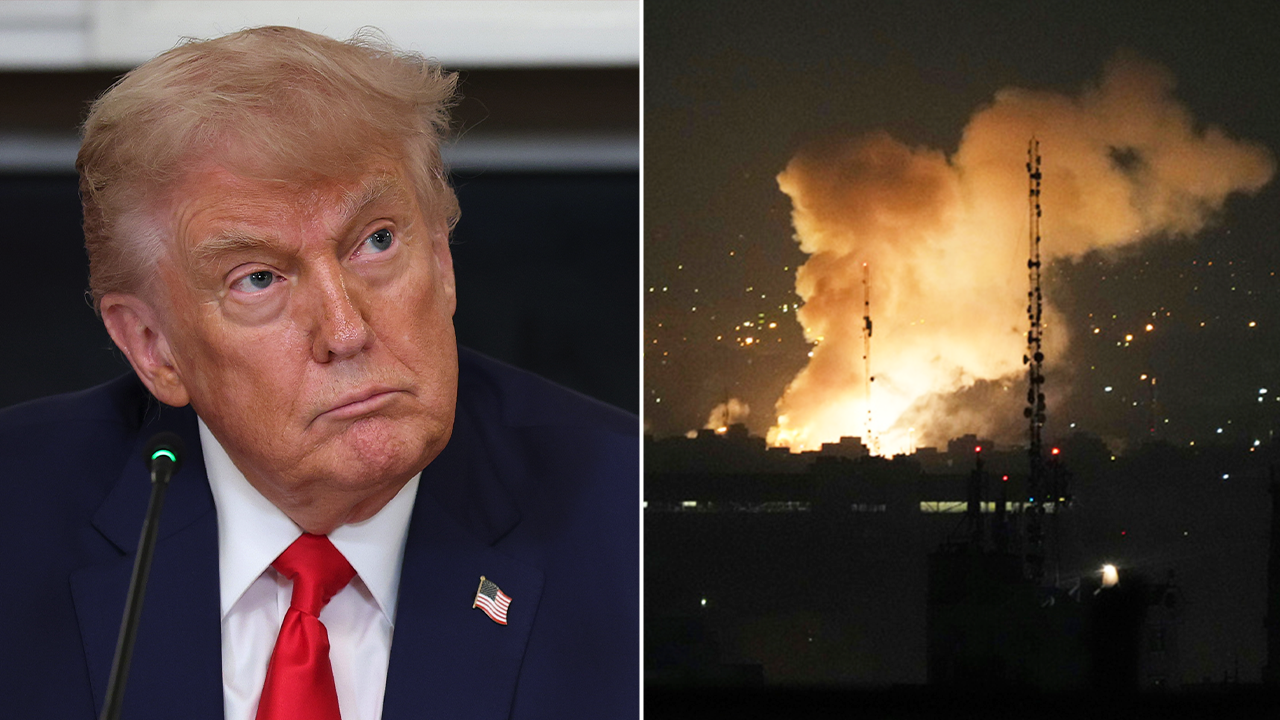
The Ceasefire Countdown: A 48-Hour Ultimatum
The tension is exacerbated by a strict 48-hour ultimatum issued by the White House. This deadline is the centerpiece of Trump’s “peace through strength” doctrine, which demands that Iran commit to a long-term, verifiable deal regarding its nuclear program and regional proxy activities.
Officials in Washington have remained tight-lipped regarding the specific consequences of the deadline passing without an agreement. However, the sheer volume of troops arriving in the theater suggests that the administration is preparing for a “worst-case scenario.” The consensus among regional experts is that if the ceasefire collapses, the U.S. is prepared to initiate a series of surgical strikes targeting key Iranian military infrastructure.
Iran’s Response and Regional Stability
Tehran has reacted to the deployment with a mix of defiance and cautious maneuvering. Iranian state media has labeled the troop surge an “act of provocation,” warning that any violation of their sovereign territory will be met with a “crushing response.”
Despite this public rhetoric, back-channel communications between Washington and Tehran remain active. Both sides are acutely aware that a full-scale conflict would be devastating not only for the region but for the global economy, particularly regarding energy prices and shipping lanes through the Strait of Hormuz.
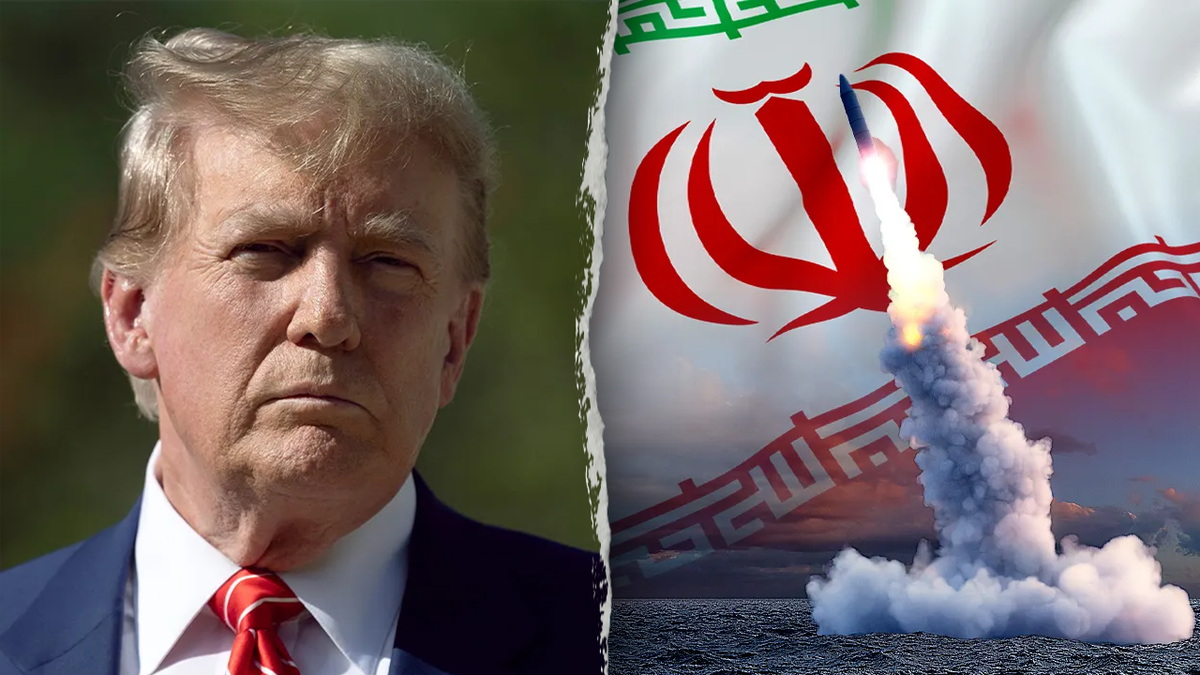
The regional stakes are incredibly high. U.S. allies in the Middle East, including Israel and various Gulf Cooperation Council (GCC) nations, are closely monitoring the situation. Many see the 10,000-troop surge as a long-overdue commitment to regional security, while others fear that the rapid buildup could inadvertently trigger the very conflict it is intended to prevent.
The Pentagon’s Role in the 2026 Escalation
The Pentagon is currently overseeing one of the largest rapid deployments since the early 2000s. The logistical feat of moving 10,000 personnel, along with their associated equipment and support staff, to the Middle East in a matter of weeks is a testament to the U.S. military’s global reach.
Key areas of focus for these troops include:
- Naval Reinforcement: Additional destroyer groups have been tasked with patrolling the Persian Gulf to prevent any attempts at a maritime blockade.
- Cyber and Intelligence Assets: A significant portion of the personnel are specialized in electronic warfare and signals intelligence, aimed at neutralizing Iranian early-warning systems.
- Logistics and Sustainment: Ensuring that the U.S. military presence can remain entrenched in the region for an extended period, should the diplomatic impasse continue beyond the 48-hour window.
Global Implications: Energy Markets and Geopolitical Alliances
The looming conflict has sent shockwaves through global markets. Oil prices have surged to record 2026 highs as traders factor in the risk of supply disruptions. The global community is divided; while some nations support the U.S. effort to curb Iranian influence, others are calling for immediate de-escalation and a return to the negotiating table.
The European Union and the United Nations have issued repeated calls for restraint, urging both the United States and Iran to prioritize diplomatic channels. Yet, with the troop surge already underway, the momentum seems to be shifting toward a military-first strategy. The coming days will be critical in determining whether this surge acts as a catalyst for peace or a precursor to a wider, more volatile conflict.
Conclusion: A High-Stakes Gamble
President Trump’s decision to surge 10,000 troops into the Middle East is the ultimate high-stakes gamble. By placing this much pressure on the Iranian regime as the ceasefire deadline looms, the administration is testing the limits of Tehran’s resolve.
If the strategy succeeds, it could lead to a historic breakthrough, finally bringing stability to a region that has been plagued by decades of proxy wars and nuclear anxiety. However, if the gamble fails, the world may be looking at a significant military confrontation that could redefine the geopolitical order of the late 2020s.
As the clock ticks down, the international community remains in a state of high alert. Every movement, every statement, and every diplomatic signal is being scrutinized for signs of what comes next. For now, the world waits to see if this massive show of force will result in a lasting peace or a new, dangerous chapter in Middle Eastern history.