Trump Surges Troops To Middle East 10000 Personnel Move As Iran Ceasefire Deadline Looms

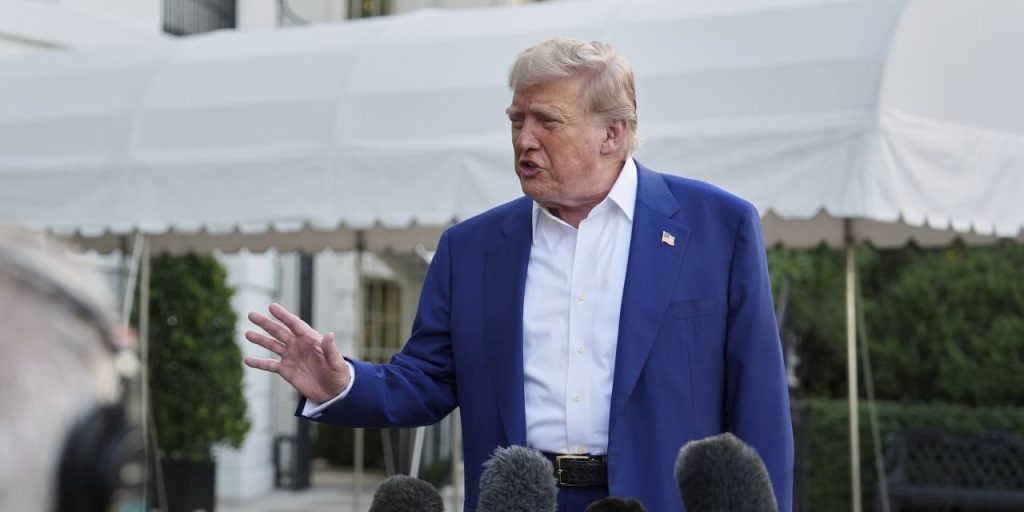
The geopolitical landscape of the Middle East has reached a fever pitch in the spring of 2026. As the clock ticks down on a fragile two-week ceasefire between Washington and Tehran, President Donald Trump has authorized a massive military mobilization. With 10,000 additional U.S. personnel currently in transit to the region, the White House is signaling that the era of patience may be coming to a rapid, high-stakes conclusion.
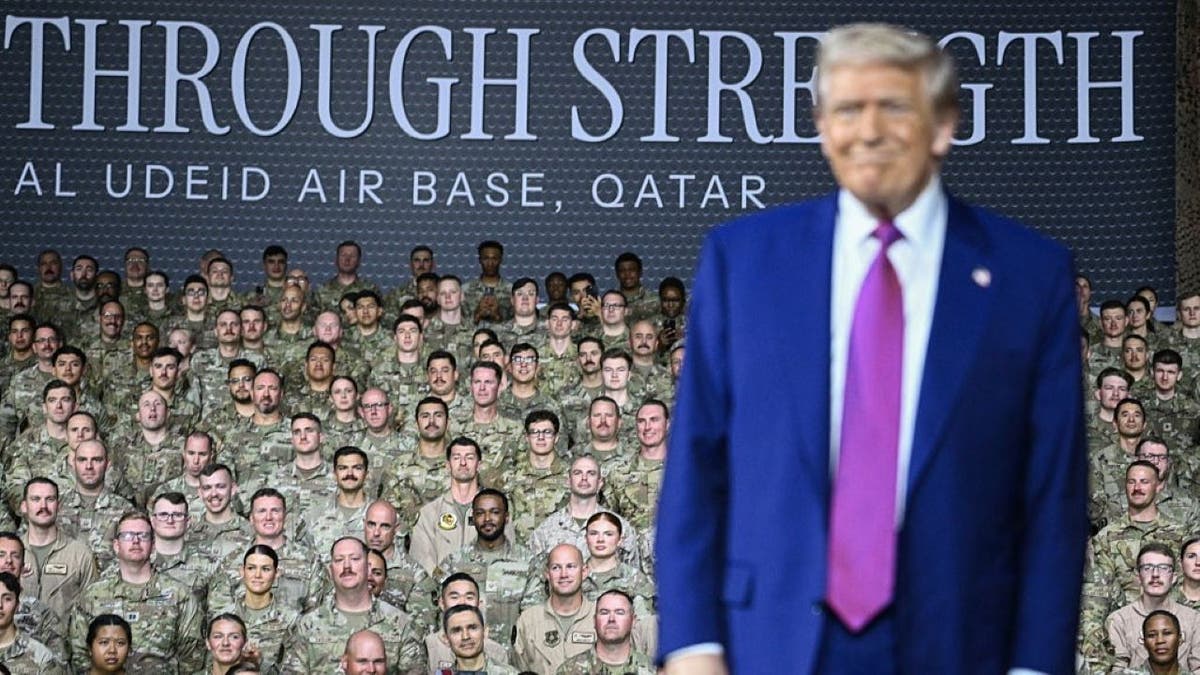
This strategic buildup is not merely a defensive posture; it is a calculated display of “peace through strength” intended to force Iran’s hand before the diplomatic window slams shut. As global markets react to the uncertainty, the international community is watching closely to see whether this massive influx of firepower will secure a lasting peace or trigger a broader regional conflict.
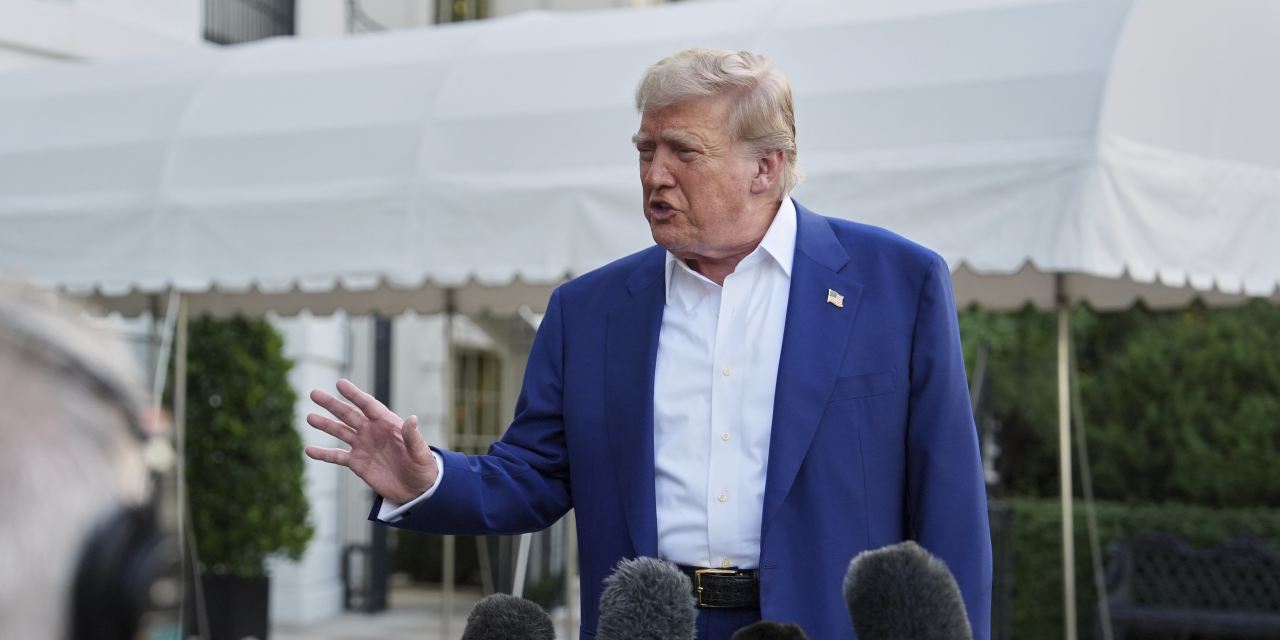
The Strategic Buildup: Why 10,000 Troops?
The deployment of over 10,000 troops represents one of the most significant American force projections in the region since the mid-2020s. Pentagon officials have confirmed that this surge includes specialized units, enhanced naval capabilities, and advanced air defense systems designed to neutralize potential Iranian threats.
The primary objective behind this move is coercive diplomacy. By increasing the density of U.S. forces in the Persian Gulf and surrounding territories, the Trump administration aims to remove any doubt about American resolve. The message to Tehran is clear: the United States is prepared to respond with overwhelming force if the current ceasefire is violated or if negotiations fail to meet U.S. demands regarding nuclear transparency and regional proxy interference.
Key Components of the Deployment:
Naval Reinforcements: Carrier strike groups are being repositioned to secure vital shipping lanes and provide air superiority.
Specialized Combat Units: Troops with expertise in logistics, intelligence, and rapid response are being embedded to ensure regional stability.
- Enhanced Missile Defense: Patriot and THAAD systems are being bolstered to safeguard U.S. assets against potential ballistic missile threats from Iranian-backed factions.
The Ceasefire Deadline: A Race Against Time
The current ceasefire, which has held with varying degrees of success for the past two weeks, is nearing its expiration date. This period was intended to provide a diplomatic “off-ramp” for both sides to de-escalate tensions. However, the lack of substantive progress in back-channel talks has led the White House to shift toward a more aggressive posture.
President Trump has consistently maintained that his administration will not allow Iran to dictate the terms of engagement. As the deadline looms, the administration is betting that the physical presence of 10,000 fresh, combat-ready troops will compel Iranian leadership to return to the negotiating table with a more conciliatory attitude.
Geopolitical Implications and Regional Stability
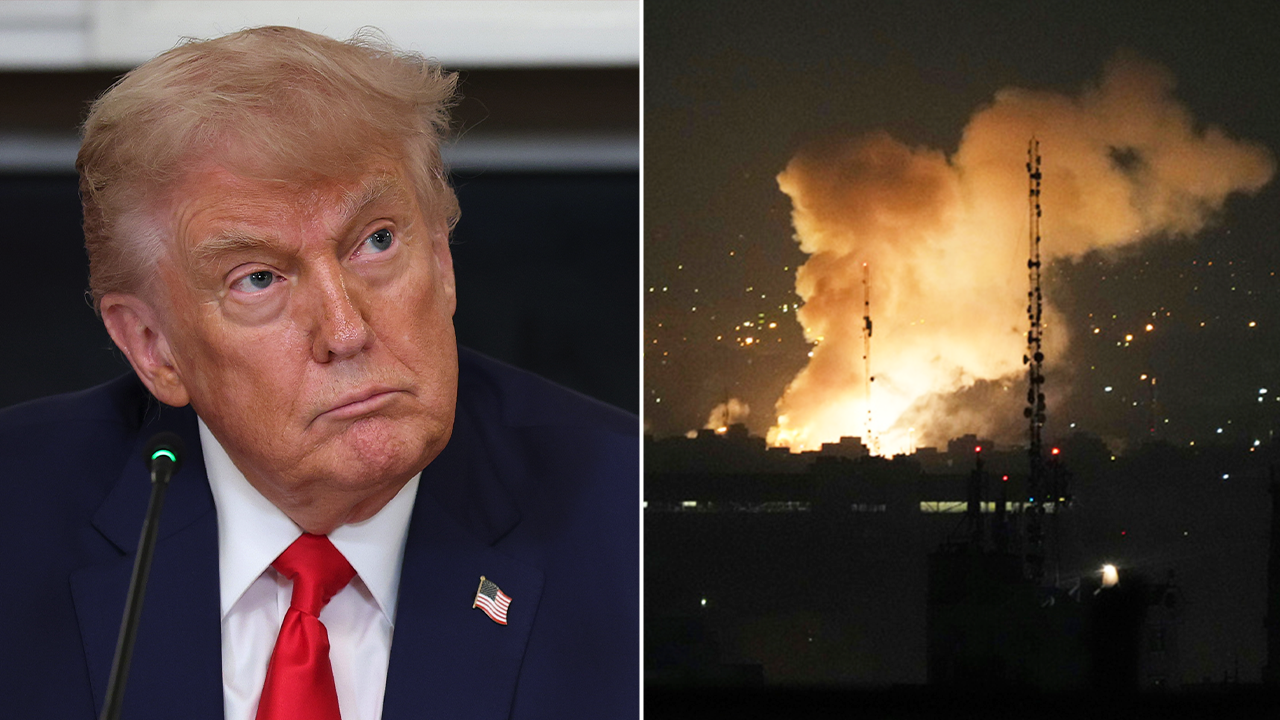
The decision to surge troops has sent shockwaves through the region. Regional allies, including Israel and several Gulf Cooperation Council (GCC) states, have largely welcomed the move as a necessary check on Iranian regional influence. Conversely, Tehran has labeled the deployment an “act of provocation” and a violation of regional sovereignty.
The risk of miscalculation remains high. With thousands of additional troops operating in high-tension zones, the margin for error is razor-thin. Military analysts warn that a single accidental engagement between U.S. forces and Iranian proxies could spiral into a wider confrontation, potentially disrupting global oil supplies and destabilizing the fragile alliances currently holding the Middle East together.
The Role of Deterrence
The core of this strategy is deterrence by presence. By placing 10,000 additional boots on the ground, the U.S. is signaling that it is prepared for a long-term engagement if necessary. This move is designed to make the cost of Iranian non-compliance prohibitively high, effectively forcing a choice between economic stability and military confrontation.
U.S. Domestic Perspective: The Political Gamble
For the Trump administration, this military surge is a high-stakes political gamble. Supporters argue that the President is fulfilling his campaign promise to be a decisive leader who prioritizes American national security above all else. They point to the effectiveness of past “maximum pressure” campaigns as evidence that this strategy can succeed.
However, critics in Congress and among international observers raise concerns about the potential for mission creep. With the 2026 political calendar heating up, any failure to achieve a diplomatic breakthrough—or worse, a escalation into open conflict—could have significant electoral consequences. The administration must balance its desire for a “big win” in foreign policy with the public’s general desire to avoid another protracted conflict in the Middle East.
Preparing for Potential Outcomes
As the final hours of the ceasefire approach, the Pentagon is preparing for multiple contingencies. These include:
- Continued Negotiations: If Iran signals a willingness to engage in good-faith talks regarding their nuclear program, the troops could act as a permanent deterrent to prevent future escalations.
- Increased Sanctions and Isolation: If the ceasefire collapses, the U.S. is prepared to implement a “total blockade” strategy, utilizing the newly arrived naval and air forces to cut off Iranian revenue streams.
- Targeted Military Action: In the event of a direct attack on U.S. personnel or key regional allies, the current troop levels provide the necessary infrastructure to launch rapid, precision-guided strikes against critical infrastructure.
The administration has been clear that it prefers a diplomatic solution but is not willing to accept a “bad deal.” This binary approach—negotiate or face the consequences—has become the hallmark of the current U.S. strategy in the Middle East.
Looking Ahead: The Future of Middle East Security
Regardless of the immediate outcome of the ceasefire deadline, the presence of these 10,000 troops signals a shift in U.S. foreign policy. It marks a departure from the “pivot to the Pacific” that characterized much of the early 2020s, suggesting that the Middle East remains a central theater of American strategic interest.
The success of this mission will be measured not just by the expiration of a deadline, but by the long-term containment of regional aggression. As the world watches, the actions taken by the White House this week will undoubtedly define the trajectory of Middle Eastern politics for the remainder of 2026 and beyond.
The stakes could not be higher. With thousands of lives currently in the balance, the international community is collectively holding its breath, hoping that the strength of the U.S. military will be the catalyst for peace, rather than the spark for a new chapter of conflict.