Texas Rep Tony Gonzales Resigns The Tragic Scandal And Political Fallout Shaking Capitol Hill In 2026

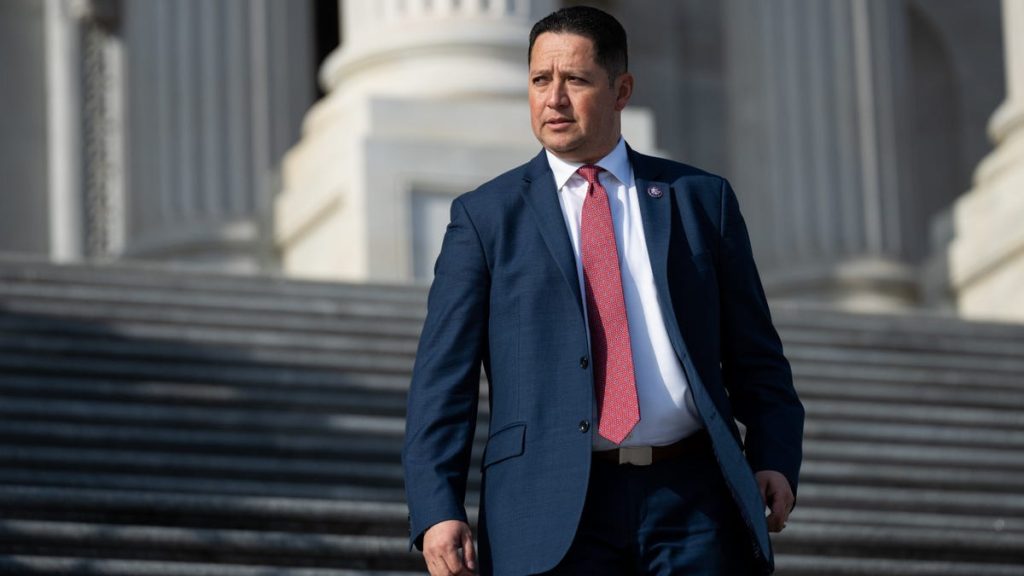
The landscape of American politics is currently reeling from one of the most somber and disruptive events of the 2026 legislative session. Representative Tony Gonzales, the Republican congressman representing Texas’s 23rd District, has officially announced his resignation from Congress. This decision follows weeks of mounting pressure, explosive allegations of sexual misconduct, and a deeply tragic personal narrative that has left both sides of the aisle in Washington, D.C., in a state of profound shock.
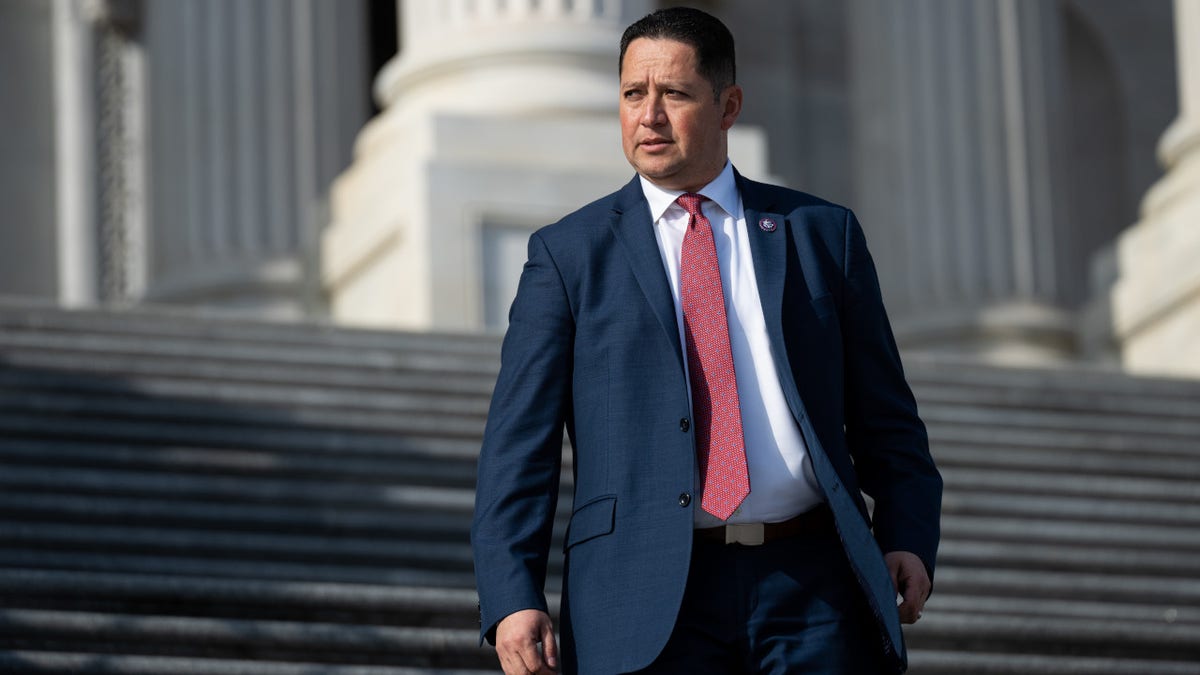
As Capitol Hill grapples with the fallout, the resignation of a sitting member of the House of Representatives amid such harrowing circumstances serves as a stark reminder of the ethical standards expected of public officials. In this comprehensive report, we examine the timeline of the scandal, the tragic loss of life that triggered the investigation, and the broader political consequences for the Republican Party in Texas and beyond.
The Genesis of the Scandal: An Affair and a Tragedy
The controversy surrounding Tony Gonzales began to surface early in 2026, when reports emerged regarding his conduct with a former staffer, Regina Santos-Aviles. What initially started as rumors of an inappropriate workplace relationship quickly spiraled into a full-blown crisis after it was revealed that the staffer had taken her own life.
The gravity of the situation intensified in February 2026, when major news outlets, including NBC News, reported that Gonzales had engaged in a sexual relationship with the subordinate. Further reports suggested that the congressman had sent a series of lewd and unprofessional text messages, creating a hostile and coercive environment that ultimately contributed to the distress of the staffer.
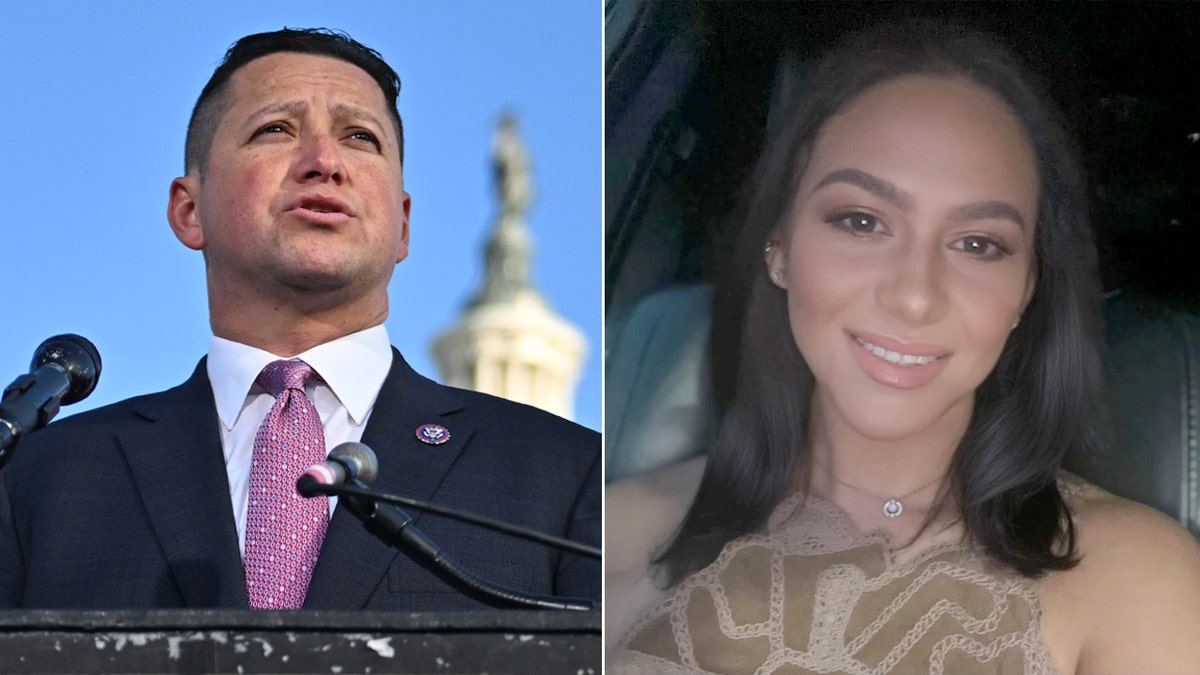
The revelation that the staffer had died by suicide—an event of profound tragedy—transformed a standard political scandal into a moral reckoning. As details of the text exchanges and the power dynamic between the congressman and his staffer became public, the outcry from both his constituents in San Antonio and his colleagues in Congress reached a fever pitch.
Mounting Pressure and the Decision to Step Down
For several weeks, Representative Gonzales attempted to weather the storm. Initially, he announced he would end his reelection bid, hoping that a graceful exit from the 2026 ballot would quell the calls for his immediate departure. However, as more details emerged regarding the nature of his communications with Santos-Aviles, the political cost became untenable.
By mid-2026, the House of Representatives was preparing to take unprecedented action. Leadership within the GOP, already concerned about the optics of the scandal in an election year, began discussions regarding an expulsion vote. The prospect of a formal expulsion—a rare and humiliating stain on a political career—forced Gonzales’s hand.
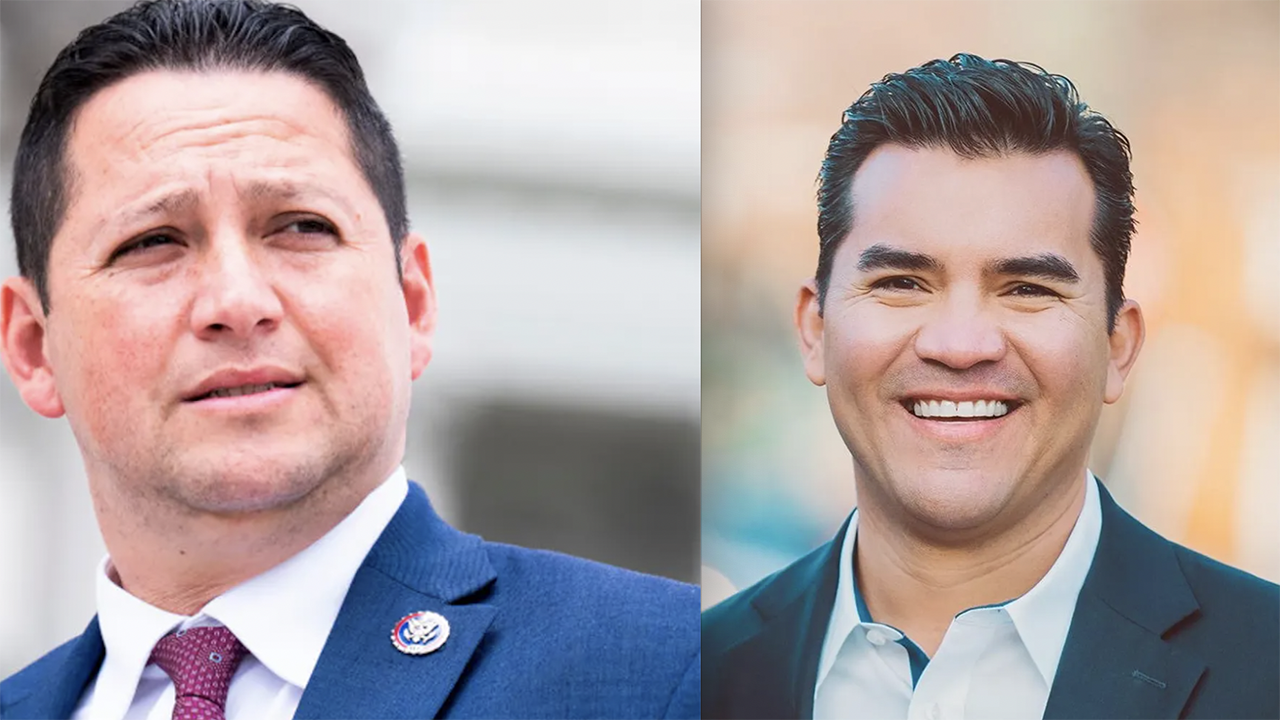
“The weight of these events and the necessity of allowing my district to move forward has led me to the conclusion that I can no longer effectively serve as your Representative,” Gonzales stated in his resignation address. This admission marked the end of a tenure that was previously defined by a focus on border security and economic policy, now forever linked to this devastating controversy.
The Political Fallout: Shaking the Foundations of Capitol Hill
The departure of Tony Gonzales has sent shockwaves through the House, particularly for the Texas delegation. The 23rd District, a historically competitive seat that stretches from San Antonio to the U.S.-Mexico border, is now effectively in play. This creates a strategic nightmare for the Republican Party as they fight to maintain their narrow majority in the House.
1. The Impact on the 2026 Midterm Strategy
The vacancy left by Gonzales necessitates a special election. For the GOP, this is an unwelcome distraction. The party must now pivot resources away from other competitive districts to defend a seat that should have been a “safe” hold. Political analysts suggest that the scandal could depress turnout among base voters, who feel betrayed by the congressman’s actions.
2. Ethics Reform and Workplace Standards
Beyond the electoral consequences, the Gonzales case has reignited the conversation regarding Congressional ethics reform. There is a renewed push by both Democratic and Republican lawmakers to implement stricter oversight regarding staff-member relationships. The fact that the House was ready to move toward an expulsion vote indicates a shifting tolerance for misconduct within the halls of Congress.
3. The Human Element: A Focus on Mental Health
The tragic nature of this story has also brought a somber focus to the mental health crisis within the workplace. The loss of Regina Santos-Aviles has spurred calls for better mental health support resources for Congressional staffers, who often work long hours in high-pressure environments with little institutional protection from the power dynamics of their superiors.
Legal and Ethical Investigations
While the resignation brings an end to his time in the House, it does not necessarily end the legal jeopardy surrounding Tony Gonzales. Ethics committees and potential outside investigations are still examining the extent of the misconduct.
The Ethics Probe: The House Ethics Committee had initiated a formal review of the allegations long before the resignation was finalized. Even though he is leaving, the committee may continue to issue reports that could influence future legal proceedings.
Civil Liability: Legal experts suggest that the estate of the late staffer could pursue civil litigation against the former congressman. The evidence uncovered—specifically the text messages and documented interactions—could serve as the foundation for a wrongful death or harassment lawsuit.
- The “Lewd Texting” Evidence: The existence of digital records creates a paper trail that is difficult to dispute. This evidence has been cited as the primary reason why support for Gonzales evaporated so quickly among his own party members.
Looking Ahead: The Future of Texas District 23
As the residents of Texas’s 23rd District look toward the future, the primary focus is on who will step in to fill the void. The resignation of such a high-profile figure creates a vacuum that is drawing interest from both established political veterans and newcomers looking to capitalize on the instability.
The local Republican Party in Texas, which had previously censured Gonzales for his moderate voting record, is now looking to reset. They are searching for a candidate who can restore trust and focus on the issues that matter most to the border region, including immigration reform, trade, and economic development. Conversely, the Democratic Party sees this as their best opportunity in years to flip the district, viewing the scandal as a reflection of a broader failure in the Republican leadership.
Conclusion: A Lesson in Accountability
The resignation of Tony Gonzales in 2026 will be remembered as a dark chapter in modern political history. It is a story marked by the tragic loss of a young life, the betrayal of public trust, and the swift, decisive action of a political body forced to confront its own standards of behavior.
As Capitol Hill moves forward, the lessons from this scandal are clear. Accountability is not just a political buzzword; it is a fundamental requirement for those who hold the power to represent the people. The tragic circumstances surrounding this resignation serve as a grim reminder that behind every policy, every vote, and every scandal, there are real people whose lives are irrevocably altered by the actions of those in power.
The 2026 election cycle is now defined by this event. Whether the Republican Party can recover its footing in Texas, and whether Congress can successfully implement reforms to prevent such tragedies in the future, remains to be seen. For now, the resignation of Tony Gonzales stands as a testament to the fact that, in the court of public opinion and the chambers of Congress, integrity is the only currency that truly matters.