High Stakes in the Gulf: Trump Warns of Potential Iran Strikes as Diplomatic Deadlock Continues


The geopolitical landscape of the Middle East remains on a knife’s edge as we enter May 2026. With global energy markets reeling from months of instability, U.S. President Donald Trump has issued a stern warning to Tehran: the current pause in military hostilities is conditional. While diplomatic backchannels are humming with the transmission of new proposals, the threat of renewed American airstrikes looms large should Iran “misbehave.”
As the world watches the Strait of Hormuz—a vital artery for 20% of global oil and gas—the standoff between Washington and Tehran has evolved into a complex game of brinkmanship. With midterm elections approaching in the United States and the economic toll of the conflict mounting, the pressure for a resolution has never been higher.
The State of Play: A Fragile Ceasefire
Four weeks have passed since the United States and Israel suspended their intensive bombing campaign against Iranian targets. Despite this temporary reprieve, there is little evidence of a lasting peace. The conflict, which has already claimed thousands of lives and severely disrupted global supply chains, shows few signs of a definitive conclusion.
President Trump’s recent remarks from West Palm Beach, Florida, underscore the precarious nature of the current situation. When pressed by reporters on the possibility of restarting military operations, Trump maintained a posture of strategic ambiguity. “If they misbehave, if they do something bad, right now we’ll see. But it’s a possibility that could happen,” he stated, signaling that the U.S. military remains ready to act if diplomatic red lines are crossed.

The Iranian Proposal: A Shift in Strategy?
Tehran has reportedly attempted to break the diplomatic stalemate by floating a 14-point proposal to international mediators. According to senior Iranian officials, this plan seeks to prioritize immediate economic relief and regional security over the long-standing, contentious issue of nuclear enrichment.
Key Pillars of the Proposed Framework:
Opening the Strait: The immediate reopening of the Strait of Hormuz to international shipping, ending the current blockade that has crippled global energy exports.
Lifting the Blockade: A reciprocal end to the U.S. naval blockade currently strangling Iranian ports.
Sanctions and Assets: The release of frozen Iranian assets and the lifting of various economic sanctions.
Regional De-escalation: A withdrawal of U.S. forces from areas surrounding Iran and an end to military operations on multiple fronts, including Lebanon.
- Nuclear Deferment: Moving the complex and highly sensitive negotiations regarding Iran’s nuclear program to a later stage of the diplomatic process.
While Tehran views this as a significant concession designed to “create a more conducive atmosphere,” the White House remains skeptical. President Trump has expressed dissatisfaction with the proposal, suggesting that Iran has not yet paid a “big enough price” for its actions during the conflict.

Economic Pressures and Political Reality
The conflict is not merely a military or diplomatic concern; it is a primary driver of domestic economic anxiety in the United States. The sustained blockade of the Strait of Hormuz has caused gasoline prices to spike, creating a political headache for the Republican Party ahead of the November midterm elections.
Voters are increasingly concerned about the potential for a wider global economic downturn. By keeping the war in the public eye, the administration faces a difficult balancing act: maintaining a position of strength against Iran while attempting to prevent an inflationary crisis at home. Trump has insisted that he is in no hurry to finalize a deal, yet the domestic pressure to restore stability to global energy markets is undeniable.
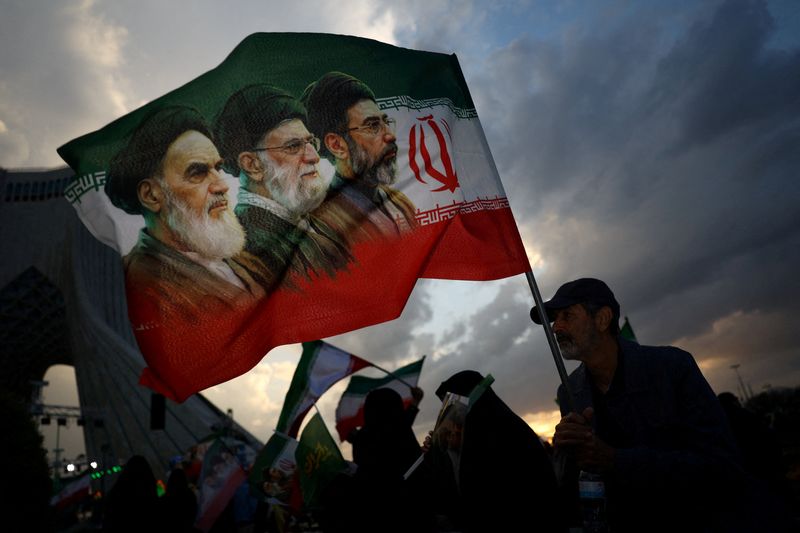
The Nuclear Elephant in the Room
Despite the shift in focus toward shipping and sanctions, Washington remains adamant that any final deal must prevent Iran from ever obtaining a nuclear weapon. This objective was the primary justification for the initial strikes launched in February.
Iran continues to maintain that its nuclear program is strictly for peaceful purposes. However, the U.S. demand that Iran recognize the right to enrich uranium—while simultaneously suspending its nuclear program—remains a major hurdle. The current diplomatic effort aims to bypass this “complicated nuclear issue” for now, but most analysts agree that the conflict cannot be truly resolved until a long-term framework for nuclear non-proliferation is established.
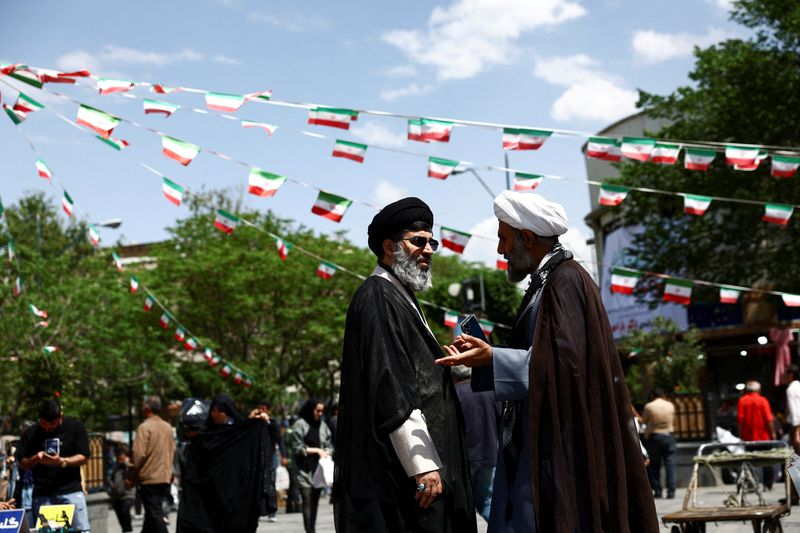
Looking Ahead: Will Diplomacy Hold?
The next few weeks will be critical. As the White House reviews the “exact wording” of the latest Iranian proposal, the world waits to see if the two nations can find a middle ground.
For the U.S., the goal is a deal that ensures security and economic stability without compromising on the nuclear threat. For Iran, the priority is survival, the lifting of the blockade, and the restoration of its economic sovereignty. If these two objectives cannot be reconciled, the threat of a return to active combat remains a very real, and potentially devastating, possibility.
As President Trump noted, the decision ultimately rests on the behavior of both parties. In this high-stakes game of international chess, one wrong move or “misbehavior” could lead to a rapid escalation, further destabilizing a region already struggling to find its footing after months of intense warfare.