Behind the Design: Why Dermot Bannon Felt ‘Terrified’ Filming Celebrity Super Spaces

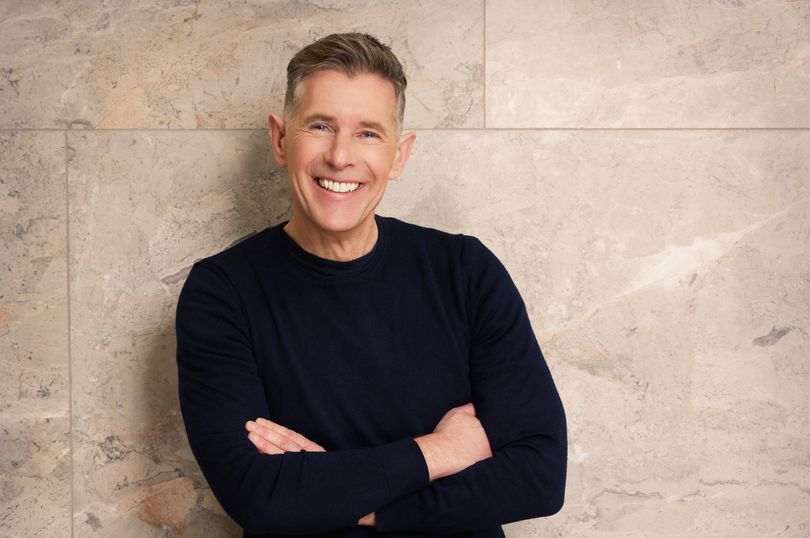
For years, Irish audiences have known Dermot Bannon as the authoritative, uncompromising architect on Room to Improve. He is the man who tells homeowners exactly what they can and cannot afford, often steering the ship with a firm hand. However, in his latest series, Dermot Bannon’s Celebrity Super Spaces, the dynamic has shifted entirely. The tables have turned, and for the first time in his career, the architect found himself feeling, in his own words, “terrified.”
As we look back at the impact of this series in 2026, it remains a fascinating study of how even the most confident television personalities can be rattled when stepping out of their comfort zone.
Stepping Out of the Architect’s Comfort Zone
In his traditional format, Bannon is the expert. He controls the site, the budget, and the vision. But Celebrity Super Spaces brought him into the private sanctuaries of Ireland’s biggest stars—a territory where he was the guest, not the lead.
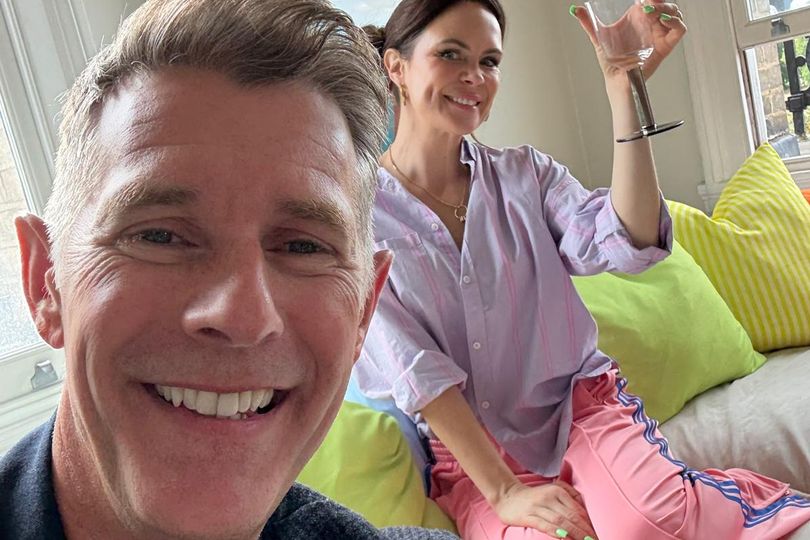
Bannon admitted that the experience was unexpectedly intimidating. “Normally when I do Room to Improve and things like that, I’m the architect,” he explained. “But for the likes of Vogue Williams, Joanne McNally, Clodagh McKenna… I had butterflies in my stomach. I was a little bit terrified.”
The Pressure of the Unscripted Reveal
The anxiety wasn’t just about meeting famous faces; it was about the high-pressure environment of the shoot. Unlike his typical projects where he has months to build a rapport with homeowners, Celebrity Super Spaces required him to meet the celebrities for the first time on camera.
He described the “horrendous” tension that built up while he waited on doorsteps, listening to the production crews set up lighting and sound. By the time he was allowed to enter, the anticipation was palpable. For a man used to being the one in charge of the floor plan, the loss of control was a genuine challenge.
Why Aidan Gillen Proved the Most Daunting Guest
Among the roster of stars, including the vibrant Vogue Williams and the sharp-witted Joanne McNally, one guest stood out as particularly intimidating for Bannon: Aidan Gillen.
The actor, globally recognized for his chilling performance as John Boy in the gritty drama Love/Hate, left an indelible mark on the architect. Bannon confessed, “Aidan Gillen is a huge star, I still see John Boy standing there with a gun to my head.” It’s a humorous reminder that even when we are dealing with high-end interior design and celebrity lifestyle, the characters actors portray can follow them—and their guests—into the living room.
The Future of Celebrity Home Design
The success of the series has sparked conversations about what a second season might look like. Bannon has a very specific vision for the future of the show. He isn’t interested in a mere “nosey” around a mansion; he is looking for genuine passion.
What Makes a “Super Space”?
Bannon is on the hunt for celebrities who are truly “hands-on.” He points to personalities like Today FM’s Dave Moore as the ideal candidate for a future episode.
Design-Led: He prefers guests who have built, designed, or creatively modified their own spaces.
Authenticity: It’s not about the luxury price tag; it’s about the “unusual” and the creative solutions.
DIY Spirit: Bannon admires those who have embraced the process, citing Moore’s self-built “snore room” and clever use of sliding doors as the kind of ingenuity that makes for great television.
Dermot Bannon and The Late Late Show Speculation
With his elevated profile and constant presence on RTÉ, Bannon has often been caught up in the rumor mill regarding the future of The Late Late Show. When asked about the potential for a hosting gig, he offered a candid take on the difficulty of the role.
He suggests that while someone like Joanne McNally has the charisma for a lighthearted, Graham Norton-style chat show, the “heavyweight” nature of the Late Late requires a unique ability to pivot from “darkness to light.” As for his own candidacy? Bannon, ever the professional, joked that if the “money was right,” he might consider it—though he is likely far more comfortable behind a drafting table than a desk interviewing the nation’s political leaders.
Analysis: Why the Audience Connected
Why did Celebrity Super Spaces* resonate so strongly with the Irish public? It wasn’t just about the architecture.
- Humanizing the Stars: Seeing Vogue Williams or Clodagh McKenna in their home environments stripped away the red-carpet veneer.
- Relatability through Vulnerability: Dermot Bannon’s admission of feeling intimidated made him more relatable. Viewers saw a different side of the “tough” architect, one who could also get nervous and starstruck.
- High-Quality Production: RTÉ’s ability to blend high-end aesthetic shots with the raw, unscripted reactions of the host provided a viewing experience that felt premium yet intimate.
Final Thoughts
Dermot Bannon’s journey through the homes of Ireland’s elite proved that even the most seasoned television pros can still find themselves outside their comfort zone. By embracing that fear, he created a show that felt genuine, human, and deeply engaging.
Whether he continues to explore the “super spaces” of the rich and famous or returns to his roots in home renovations, one thing is certain: Bannon remains a staple of Irish television because he isn’t afraid to evolve. He has moved from being the man who critiques your kitchen to the man who helps us understand the people behind the doors.
As we look at the landscape of Irish media in 2026, it is clear that the architect has successfully built a new foundation for his career—one that relies as much on his personality as it does on his professional expertise.