The Avatar Face Controversy: Q’orianka Kilcher Sues James Cameron and Disney Over Unauthorized Likeness

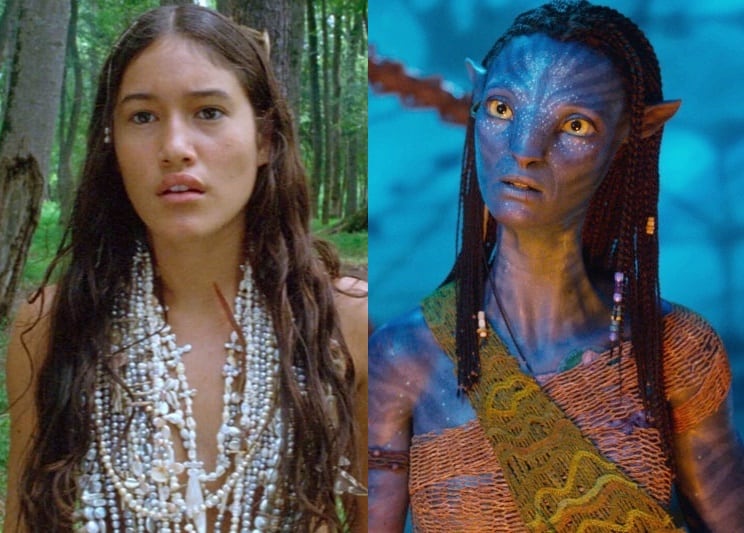
In a landmark legal battle that has sent shockwaves through the corridors of Hollywood, actress Q’orianka Kilcher has officially filed a lawsuit against legendary director James Cameron and The Walt Disney Company. Filed in the U.S. Central District Court of California in May 2026, the complaint alleges that her biometric facial features were used without her consent to design Neytiri, the iconic lead character in the billion-dollar Avatar franchise.
As the industry grapples with the intersection of AI, digital likeness, and intellectual property, this case stands as a pivotal moment for actors’ rights. At 36, Kilcher—acclaimed for her role as Pocahontas in the 2005 film The New World—claims that her identity was effectively “stolen” when she was just a teenager, fueling a global box-office phenomenon without her knowledge, acknowledgment, or compensation.
The Allegations: Unauthorized Use of Biometric Identity
The core of the lawsuit centers on the claim that James Cameron’s creative process for the Na’vi people relied heavily on existing, real-world human templates. Kilcher’s legal team alleges that Cameron instructed his design team to extract her facial features from photographs taken when she was 14 years old to conceptualize Neytiri.
Key Points of the Complaint:
Facial Replication: The lawsuit claims that the digital design of Neytiri is not merely “inspired” by Kilcher, but is an unauthorized replication of her biometric identity.
Commercial Exploitation: Kilcher argues that this likeness was used across films, merchandise, and digital assets, generating massive revenue while she received zero credit.
The “Theft” Narrative: Her attorneys have explicitly labeled the act as “theft, not filmmaking,” arguing that the exploitation of an Indigenous actor’s cultural heritage and physical identity is a violation of fundamental portrait rights.
The Smoking Gun: A Resurfaced Interview and a Handwritten Note
The legal action gained significant momentum following the discovery of evidence that seems to corroborate Kilcher’s claims. In a past interaction, James Cameron reportedly met Kilcher and provided her with a handwritten letter and a sketch. The note, penned in 2010, stated: “Your beauty provided the initial inspiration for conceptualizing Neytiri. I was sorry that you were filming another movie. Let’s work together next time.”
For years, Kilcher viewed this as a gracious gesture from a high-profile director. However, her perspective shifted drastically after watching an interview regarding the production of Avatar: Fire and Ash. In the footage, Cameron explicitly states: “The actual source of the Neytiri sketch is a photograph of a young actress named Q’orianka Kilcher. This is actually her lower face, and she had a very interesting face.”
This admission, according to the lawsuit, transformed a seemingly benign artistic inspiration into a clear case of unauthorized commercial use of a person’s likeness.
The Legal and Ethical Stakes in 2026
The lawsuit against Disney and Cameron is not an isolated incident in the current climate of Hollywood litigation. By late 2025 and into 2026, the entertainment industry has seen a surge in intellectual property disputes. For instance, animator Eric Ryder filed a separate $500 million copyright infringement lawsuit against the studio in late 2025 regarding the development of Avatar: The Way of Water.
Why This Case Matters:
- Digital Rights and AI: As digital scanning and facial reconstruction become standard in filmmaking, the line between “inspiration” and “theft” is becoming increasingly blurred. This case could set a legal precedent for how much a studio can alter a human face before it constitutes a violation of likeness rights.
- Representation of Indigenous Actors: Kilcher’s case highlights the vulnerability of actors from marginalized communities, whose cultural identity and physical appearance are often utilized by major studios without proper attribution or equity.
- Corporate Accountability: By naming Disney, the lawsuit targets the massive distribution and merchandising machine behind Avatar, ensuring that the legal battle addresses the commercial profit generated by the alleged infringement.
The Defense: Silence from Cameron and Disney
As of mid-2026, neither James Cameron nor The Walt Disney Company has issued a formal statement regarding the specific allegations in the Kilcher lawsuit. Historically, high-profile studios often rely on “transformative use” arguments, claiming that their character designs are sufficiently different from their real-world inspirations to avoid copyright liability.
However, the specificity of Cameron’s own admission regarding the “lower face” of the actress presents a unique challenge for the defense. If the court determines that the character’s design is fundamentally rooted in a specific individual’s biometric data, the “transformative” defense may hold less weight.
What Could Happen Next?
If the case proceeds to trial, the entertainment industry will be watching closely. A victory for Kilcher could force major studios to implement strict “likeness clearance” protocols, similar to how they currently handle music licensing or trademarked imagery.
Potential Outcomes:
Settlement: Given the high stakes and the potential for a long, damaging public trial, Disney may seek a private financial settlement with Kilcher to avoid further scrutiny of their creative processes.
Legal Precedent: A court ruling could define the limits of “reference” in character design, forcing directors to obtain explicit written consent before using an actor’s facial features as a digital blueprint.
Impact on the Franchise: While it is unlikely to halt the release of future Avatar sequels, the legal shadow cast over the franchise may complicate future production contracts and talent relations.
Conclusion: A Turning Point for Hollywood
The lawsuit filed by Q’orianka Kilcher is more than just a dispute over a character’s face; it is a confrontation over the ethics of modern digital filmmaking. As we move further into 2026, the industry is being forced to reckon with the fact that actors are not just “raw material” for digital characters.
The outcome of this case will likely echo through the halls of every major studio, serving as a reminder that even in a world of CGI and virtual worlds, the human face—and the identity behind it—remains a protected, personal asset. Whether through a landmark settlement or a court-ordered change in practice, the Avatar face controversy is undoubtedly changing the rules of the game in Hollywood.