Hantavirus Surge in Argentina: How Climate Change is Reshaping Disease Landscapes in 2026

The public health landscape in Argentina has taken a concerning turn as of 2026. Data released by the national health ministry indicates that hantavirus infections have nearly doubled compared to the previous season, with 101 confirmed cases recorded since June 2025. This sharp increase, coupled with a worrying rise in the lethality rate, has transformed a once-localized rural concern into a broader national health priority.
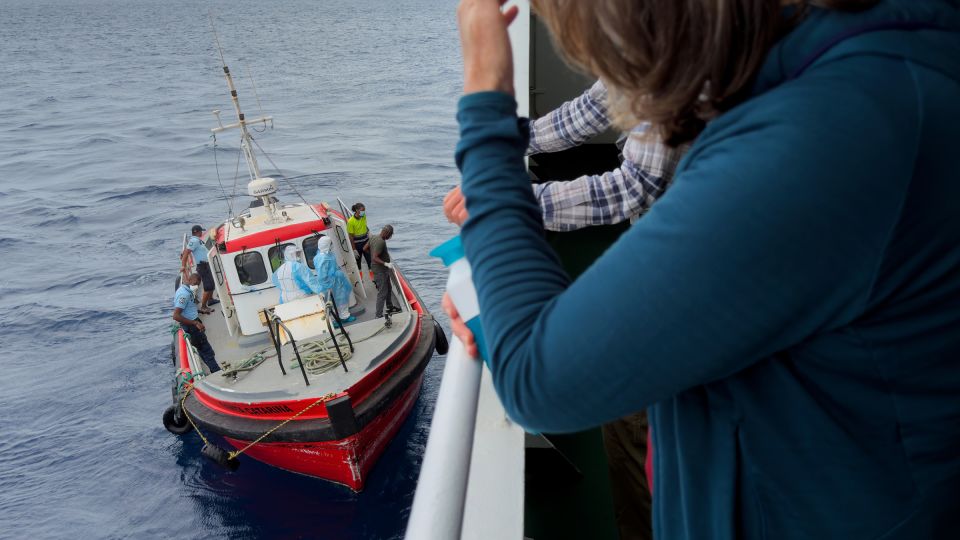
While Argentina has historically navigated outbreaks, the current trajectory is different. The confluence of extreme weather, habitat loss, and increased human-wildlife interaction is creating a “perfect storm” for the virus. Furthermore, a high-profile health emergency aboard the cruise ship MV Hondius has thrust the virus into the international spotlight, raising urgent questions about how climate change is altering the geographic reach of infectious diseases.
Understanding the Hantavirus Crisis in Argentina
Hantavirus is primarily transmitted to humans through contact with the urine, feces, or saliva of infected rodents—most notably the long-tailed mouse. In the past, the disease was largely contained within specific rural or peri-urban zones where these rodents thrived. However, the 2025-2026 season has seen a significant shift in these patterns.
A Statistical Red Flag
The numbers speak for themselves. With 101 cases reported during the current season—compared to 57 during the same period last year—the surge is statistically significant. Even more alarming is the 10 percentage point increase in the lethality rate. Health experts are particularly concerned that this uptick is not just a seasonal fluctuation but a sign of a deeper, systemic shift in the environment.
The Climate Change Connection
Why is this happening now? Infectious disease specialists and government advisers, such as Eduardo López, point to the accelerating effects of climate change. The relationship between a warming planet and viral spread is complex but increasingly clear:
Ecosystem Disruption: Rising temperatures and erratic rainfall patterns are forcing wildlife into new territories. As the long-tailed mouse adapts to these changing conditions, it expands its range into areas previously considered safe.
Habitat Destruction: Deforestation and the clearing of land for urban sprawl or agriculture strip away natural barriers. This brings humans into closer proximity with rodents, increasing the likelihood of spillover events.
Extreme Weather: Prolonged droughts followed by intense rainfall can trigger “boom cycles” for rodent populations. When food becomes scarce in the wild, these animals often migrate toward human structures, creating a direct path for viral transmission.
The MV Hondius Outbreak: A Global Wake-Up Call
The recent tragedy aboard the MV Hondius has served as a grim reminder of how modern travel can intersect with infectious disease risks. The cruise ship, which departed Ushuaia in April, became the site of a deadly hantavirus outbreak that resulted in multiple fatalities, including a Dutch couple who had traveled extensively through Argentina.
Investigating the Origin
Argentine authorities have been working tirelessly to trace the couple’s movements. Their itinerary included visits to Misiones and Neuquén—regions known for being historically high-risk areas. While some speculated that the virus might have been contracted at a landfill site in Ushuaia, local officials like Juan Petrina have pushed back against this theory, citing the timeline of the couple’s arrival and departure.
The incident has forced health ministries to re-evaluate surveillance protocols for tourists and cruise operators. The fact that the Andes strain of hantavirus—which can occasionally spread through human-to-human contact—was linked to the ship underscores the severity of the situation.
Historically High-Risk Regions
While the current surge has been most prominent in the central region, particularly in Buenos Aires, Argentina has four distinct geographic areas that remain under constant surveillance:
- The Northwest: Including the provinces of Salta, Jujuy, and Tucumán.
- The Northeast: Covering Misiones, Formosa, and Chaco.
- The Center: Including the heavily populated areas of Buenos Aires, Santa Fe, and Entre Ríos.
- The South: Comprising Neuquén, Río Negro, and Chubut.
Historically, the southern tip of Patagonia was the primary focus for hantavirus research, especially following the deadly 2018 outbreak. However, the shift toward the central provinces in 2026 suggests that the virus is becoming more “mobile” as the environment changes.
Mitigation Strategies and Public Awareness
To combat this rise, the Argentine government is intensifying its surveillance and public education campaigns. Key strategies include:
Rodent Monitoring: Health teams are capturing and analyzing rodent populations in high-risk zones to better understand the viral load and movement patterns.
Tourism Safety: As experts like Roberto Debbag have noted, tourists entering rural areas must be aware of the risks. Clearing undergrowth around campsites and staying in well-maintained environments are essential preventative measures.
Urban Planning: There is a renewed focus on preventing the encroachment of small urbanizations into rural, rodent-prone habitats.
The Future of Hantavirus in a Warming World
The 2026 data serves as a stark warning. As temperatures rise and biodiversity declines, we are likely to see more “spillover” diseases that were once restricted to isolated ecological niches. Hantavirus is a clear indicator that climate change is not just an environmental issue—it is a pressing public health crisis.
The challenge for Argentina, and indeed the world, is to move beyond reactive measures. Surveillance systems must be digitized and integrated across borders, and environmental policies must account for the health risks associated with habitat destruction. By protecting our ecosystems, we are, in effect, protecting our own health.
Conclusion
As we look toward the remainder of 2026, the situation in Argentina remains fluid. While the government has taken significant steps to contain the spread, the underlying environmental drivers of the hantavirus surge—climate change and habitat loss—require long-term, global solutions. For now, vigilance, public awareness, and robust scientific surveillance are the best tools we have to prevent another season of such tragic loss.